
Reviewed · COOKING CLASSES
Budapest: Hungarian Cooking Class – Foodapest™ 2025
Budapest’s Foodapest cooking class begins with a walk through the Central Market Hall, then moves into an apartment kitchen for a shared Hungarian meal. You taste your way through the market before choosing one dish to prepare together: Chicken Paprikash, Beef Goulash Stew, Vegetarian Mushroom Paprikas, or Lecso.
I like the mix of market tasting and hands-on cooking. You do not simply watch a chef prepare lunch. You handle the food, hear the stories behind it, and sit down with the group to eat what you made. The included cheeses, cold cuts, vegetables, wine, and palinka also give the class a generous food-and-drink spread for the price.
The main drawback is that the class prepares one main dish collectively, not every dish on the menu. You also need to make your own way to the market, and extra food or drinks are not included.
Key points to know before booking
- The Central Market Hall sets the scene: Begin beside Budapest’s yellow tram stop and explore Hungary’s largest indoor market.
- You choose one shared main dish: Options include Chicken Paprikash, Beef Goulash Stew, Vegetarian Mushroom Paprikas, and Lecso.
- The class uses family recipes: Cooking is done in a traditional communal style rather than as a formal chef demonstration.
- The tasting begins before the cooking: Expect more than eight tasters, including cheeses, cold cuts, vegetables, and other local goods.
- Wine and palinka are part of the experience: A glass of local wine and a homemade palinka tasting accompany the cooking.
- The class lasts three and a half hours: It starts and ends at the Central Market Hall meeting point.
From the yellow tram stop into Central Market Hall
Your meeting point is outside the main entrance of the Central Market Hall, on the side of the yellow tram stop. Look for the guide holding a brown market basket. That detail matters in a crowded city, since it gives you a clear visual marker instead of leaving you to search for a person you have never met.
The Central Market Hall is a fitting place to begin. It is Hungary’s largest indoor market, and the class uses it as more than a backdrop for a quick introduction. You take a short walk with the guide while talking about Hungarian history, food, and customs.
This opening portion helps you understand the ingredients before you cook them. Hungarian food can seem simple on a plate, but paprika, onions, peppers, meats, mushrooms, and dairy products each have a place in the country’s cooking traditions. Seeing local goods in the market gives those ingredients a little more meaning.
You will also taste some market foods as you walk. The exact selection can vary, but the experience includes more than eight kinds of tasters across the full activity, including cheeses, cold cuts, vegetables, and other goods. If you are the sort of person who prefers to sample first and ask questions later, this is one of the best parts of the class.
The market walk is short, so do not book this expecting a full architectural tour or a long shopping expedition. Its purpose is to introduce you to Hungarian food culture and get your appetite ready. You should also bring comfortable shoes, since the experience begins on foot and continues through the cooking session.
Other hands-on cooking sessions in Budapest:
- Budapest All in One Small Group Walking Tour with Strudel Stop
★ 5.0 · 1,277 reviews - Budapest Cooking Class & Market Tour with Local Guide & Wines
★ 5.0 · 553 reviews - Premium Hungarian Home Cooking Experience with Chef Marti
★ 5.0 · 169 reviews
What the market tasting adds to the class
A cooking class can sometimes feel detached from the place where the food comes from. This one avoids that problem by putting the market first. You see the setting where many of the ingredients are sold, then continue to a home-style kitchen to use Hungarian cooking methods.
The guide also talks about the cultural meaning of the dishes. That context is useful because the class is not only about following steps. It explains why these recipes matter and how they fit into family cooking in Hungary.
The tasting portion is also practical for anyone unsure about Hungarian flavors. You can try small portions of several foods rather than committing to a full plate. This may help you decide how adventurous you want to be when choosing the main dish.
Do not expect the market tasting to replace breakfast or lunch. The activity includes plenty of food, but the format is a sequence of samples followed by the meal you cook. If you arrive hungry, that will probably suit you. If you need a full meal before the class, eat something light beforehand.
A Budapest apartment replaces the standard cooking studio
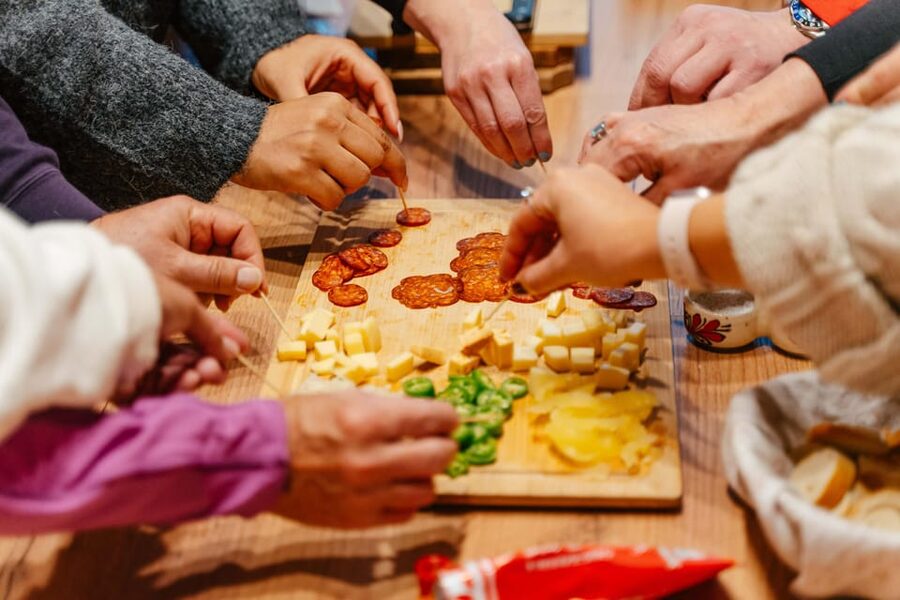
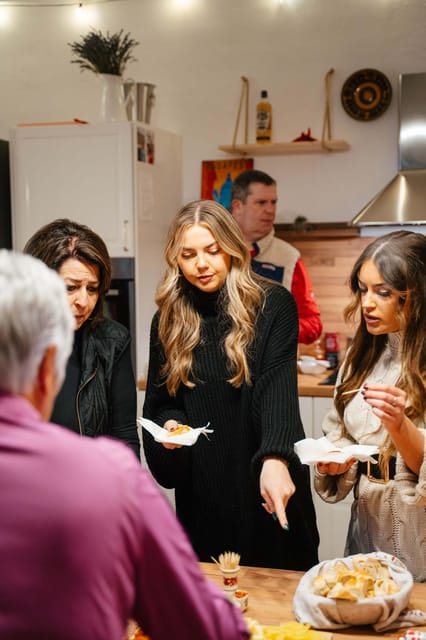
After the market, you go to an authentic Budapest apartment. There, a selection of snacks is waiting, including sausages, salamis, dips, and cheeses. These are served before or alongside the cooking and give the class a more relaxed, social feel than a standard classroom setup.
The apartment setting is one of the experience’s strongest features. You are not simply standing behind a counter in a commercial school. The setting is designed around family-style cooking, shared preparation, and sitting down together afterward.
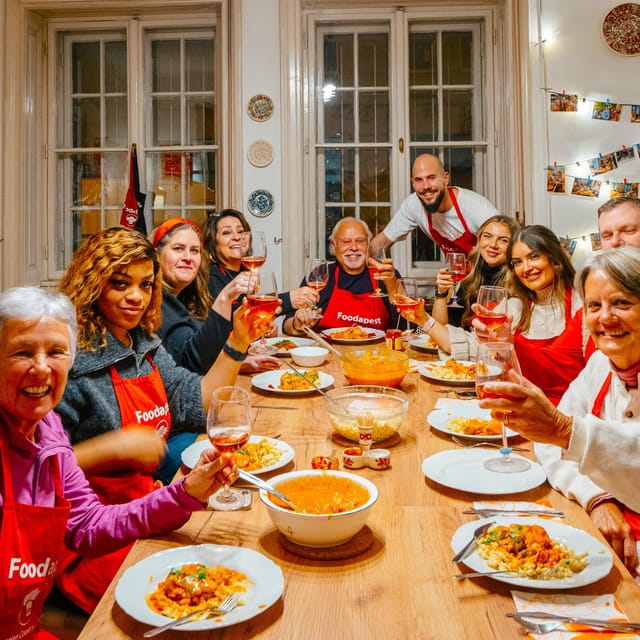
That setup also means you should expect a social class. You will work with the other people in the group, help prepare one dish, and share the finished meal. This is a good fit if you enjoy meeting people over food. It may be less appealing if you want a private lesson focused only on your own cooking technique.
The information provided does not specify the group size, so you should not assume an intimate class or a large one. The communal format is clear, but the number of participants can vary with the date.
Choosing between four Hungarian main dishes
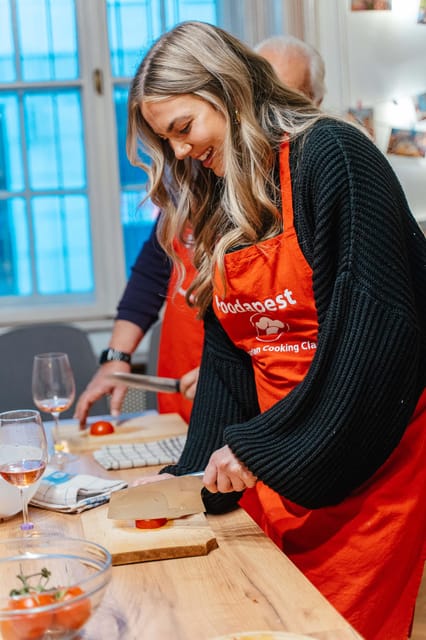
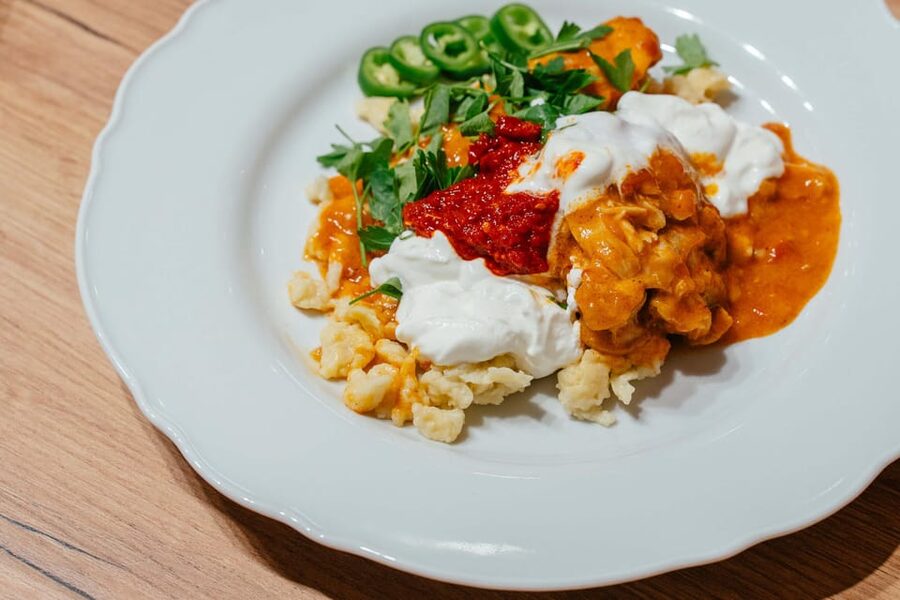
After booking, you have the chance to choose one main dish to prepare with the group. The choices cover meat, stew, vegetarian cooking, and a vegetable-based Hungarian option.
Chicken Paprikash is a natural choice if you want one of Hungary’s best-known comfort foods. The name points to paprika as a central flavor, and the class presents it as a traditional family dish. Choose it if you want a familiar introduction to Hungarian cooking with a meat-based main course.
Beef Goulash Stew offers a heartier direction. This is the option for a slow-cooked, substantial meal and the kind of dish many people associate with Hungary. Keep in mind that the class lasts three and a half hours, but the activity description does not promise a lengthy, full-day stew-making process. The guide will explain how the dish is prepared within the class schedule.
Vegetarian Mushroom Paprikas gives non-meat eaters a proper main dish rather than a side plate. Mushrooms provide the central ingredient, while the preparation connects to the paprika-based cooking style of Hungary.
Lecso is another choice for a vegetable-focused meal. Since the exact ingredients and preparation details are not specified, ask the guide about the day’s version if you want to compare it with the mushroom dish before choosing.
You choose one dish collectively, so you should not expect to prepare all four. This is worth understanding before you book. The value comes from learning one recipe well enough to make and eat it, plus sampling many other foods along the way.
A completely different kind of day out:
- Budapest: City Highlights Cruise with Welcome Drink
★ 4.6 · 35,610 reviews - Budapest: Unlimited Prosecco, Beer and Aperol Spritz Cruise
★ 4.8 · 25,310 reviews - Budapest: Széchenyi Spa Day Ticket with Optional Upgrades
★ 4.3 · 23,911 reviews - Budapest: Nighttime or Daytime Sightseeing Cruise
★ 4.2 · 21,062 reviews
Hands-on cooking with family recipes
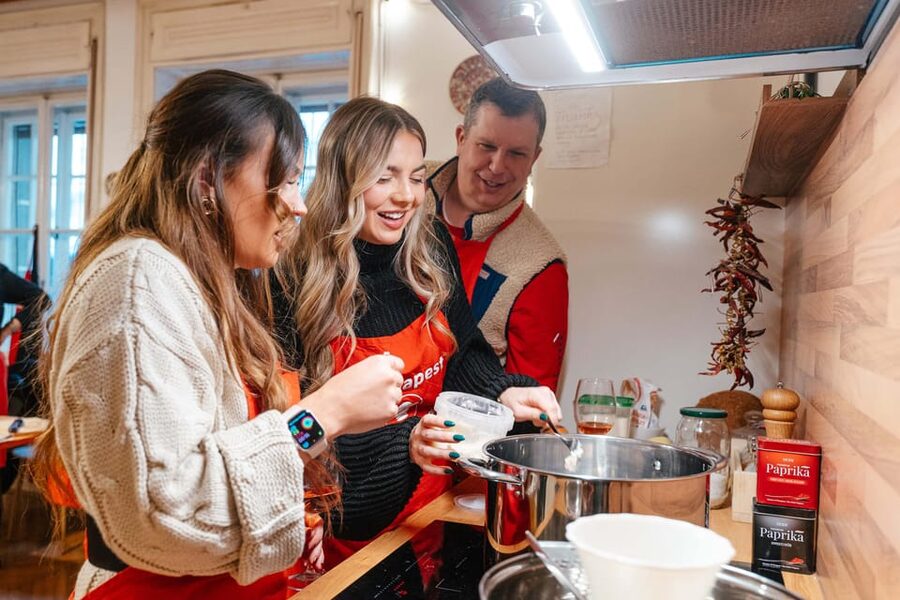
Once the dish is selected, you roll up your sleeves and cook together. The class is described as a traditional communal cooking experience, which means you will take part rather than simply watch a demonstration.
The guide uses family recipes and explains the history and cultural role of the food as you work. That combination gives the lesson a useful balance. You learn what to do in the kitchen, but you also hear why the dish is part of Hungarian food culture.
The class should suit different comfort levels in the kitchen. If you cook often, you can focus on technique and ingredients. If you rarely cook, the group format gives you a chance to follow along without needing to prepare an entire meal alone.
Still, this is not advertised as a professional culinary course. You should book it for cultural understanding, shared cooking, and a good meal, not for advanced knife skills or formal chef training. The hands-on work is part of a social food experience.
The cooking also gives the activity a stronger sense of place than a restaurant meal. In a restaurant, you taste the finished dish. Here, you take part in the steps that lead to it, then sit down with the group to eat. That change from market to kitchen to table creates a clear rhythm across the three and a half hours.
Wine, palinka, and the meal at the table
Local wine is included, along with a homemade palinka taster. Palinka is a Hungarian spirit, and even a small tasting adds another local touch to the meal. If you do not drink alcohol, check with the guide about your options before taking part, since the activity specifically includes wine and palinka.
The food spread includes more than eight varieties of tasters. Cheeses, cold cuts, vegetables, and other goods provide plenty to sample while the main dish comes together. You also receive a surprise souvenir, which gives you a small reminder of the class beyond the meal itself.
At the end, you sit down and eat what you prepared. This is an important part of the experience, not an afterthought. The meal lets you see how the separate ingredients and cooking steps work together, and it gives the group time to enjoy the result.
Because the main dish is shared, the experience is less about creating a personal plated masterpiece and more about making a meal as a group. That is a strength if you like conversation and cooperation. It is a limitation if you want to choose your own recipe and cook independently.
The value of $87 for three and a half hours
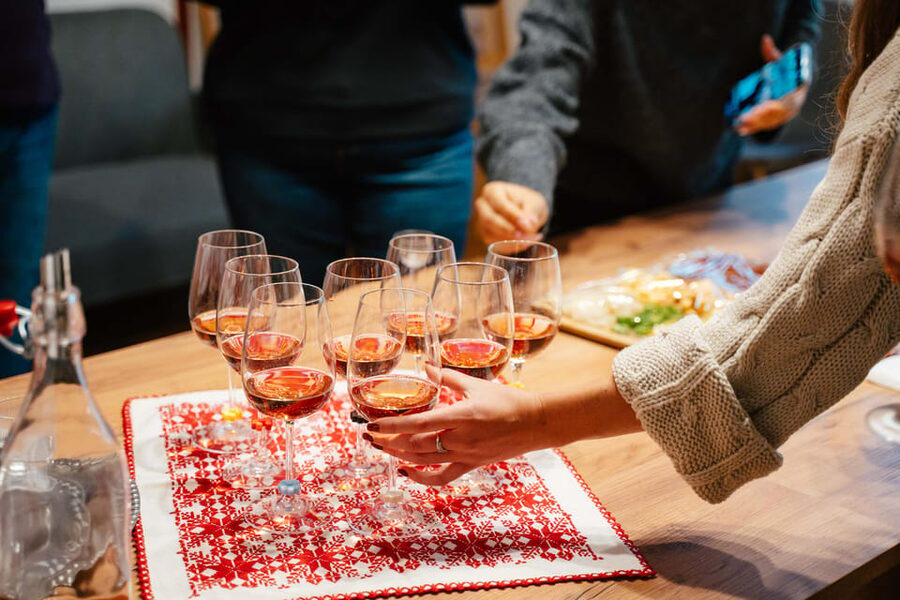
At $87 per person, this is not the cheapest way to eat in Budapest. You can find a filling meal for much less, and a market visit on its own costs no admission beyond what you buy. The price needs to be judged as a package.
You are paying for a guided Central Market Hall walk, tastings, a cooking lesson, a full shared meal, local wine, a palinka sample, and a souvenir. You also get the time and setting of a Budapest apartment, plus the cultural explanations that connect the food to Hungary.
For me, the value is strongest if you want more than a recipe. The class combines several activities that would otherwise require separate planning: market exploration, food sampling, a local cooking lesson, and a social meal. The price is easier to justify if you would normally book a food tour and a cooking class during the same trip.
The value is weaker if you are mainly looking for a large meal or a private lesson. Extra food and drinks are not included, and transportation to and from the market is your responsibility. The activity starts and ends at the same Central Market Hall meeting point, so you can plan the rest of your day around that location.
The class also offers reserve-now-and-pay-later booking and free cancellation up to 24 hours in advance. Those terms can help if your Budapest schedule is still changing, but check the conditions at booking.
Who will enjoy this Budapest cooking class
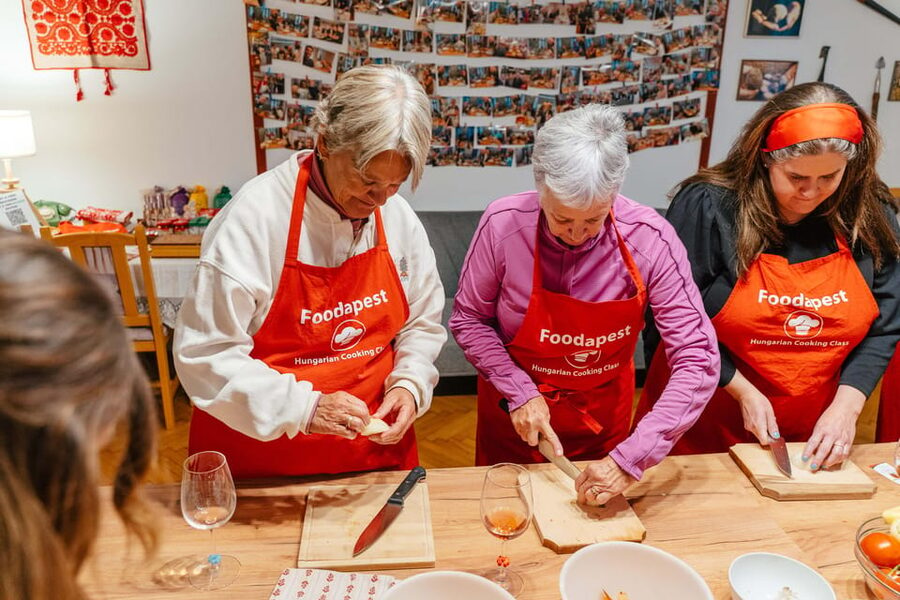
I would recommend Foodapest to you if you enjoy learning about a city through its food. It works especially well for couples, friends, solo visitors who like social activities, and families looking for something beyond monuments and museums.
Vegetarians have a clear option through Mushroom Paprikas or Lecso. The inclusion of those choices makes the experience more flexible than a menu focused only on meat and stew.
It is also a good pick for visitors who want a manageable half-day activity. At three and a half hours, it is long enough to feel substantial without taking up an entire day. You can pair it with other plans in central Budapest, though you should leave enough time around the start and end rather than scheduling something immediately afterward.
The class may not suit you if you dislike communal cooking, do not drink alcohol and do not want alcohol present, or prefer a detailed tour with a fixed list of market vendors. It is also not the right choice if your main goal is to cook several dishes from start to finish.
The activity is wheelchair accessible. Since the meeting point is outside the market and the route includes a short walk, you should still contact the provider if you need specific access information for your booking.
Should you book Foodapest?
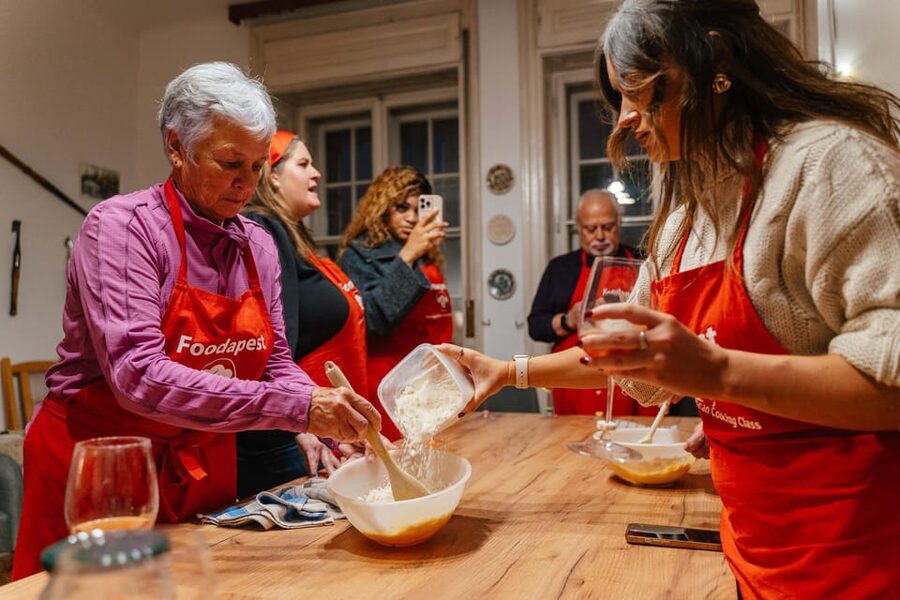
Book this class if you want a friendly introduction to Hungarian food that combines tasting, cooking, and conversation. The strongest reasons are the Central Market Hall start, the family-style apartment setting, the broad selection of tasters, and the chance to prepare a traditional dish rather than only watch someone else cook.
Before booking, make sure you are comfortable choosing one shared main dish instead of preparing all four options. Also plan your route to the market, wear comfortable shoes, and remember that extra food and drinks are not included.
For a first visit to Budapest, this is a useful way to get beyond the restaurant menu. You leave with a better sense of Hungarian ingredients, a meal you helped make, a taste of wine and palinka, and a small souvenir. If that sounds more appealing than a formal cooking school, the $87 price is reasonable for the amount packed into three and a half hours.
FAQ
Where does the Foodapest cooking class begin?
The class begins outside the main entrance of Budapest’s Central Market Hall, on the side of the yellow tram stop. The guide carries a brown market basket.
How long does the experience last?
The activity lasts three and a half hours. It starts and ends at the Central Market Hall meeting point.
Which dishes can I choose to prepare?
The choices are Chicken Paprikash, Beef Goulash Stew, Vegetarian Mushroom Paprikas, and Lecso. The group prepares one main dish collectively.
Is food included in the price?
Yes. The experience includes more than eight varieties of tasters, a shared meal prepared during the class, local wine, and a homemade palinka tasting. Additional food and drinks are not included.
Is the class offered in English?
Yes. The activity has a live English-speaking guide.
Can I cancel the booking?
You can cancel up to 24 hours in advance for a full refund. Reserve-now-and-pay-later booking is also available.
Just added around Budapest
- Walk to recent and aged spiritual sanctuaries near Budapest★ 5.0 · 5 reviews
- Budapest: Private Walking Tour with a Local Guide★ 3.6 · 6 reviews
- Budapest: City Bike Tour with Coffee Stop★ 5.0 · 37 reviews
- Budapest: Danube River Views Bike Ride★ 4.8 · 23 reviews
- From Budapest: Guided Tour of Eger with Wine Tasting★ 4.5 · 6 reviews
- Trash Art Museum: Hungary’s First Scrap Metal Exhibition★ 4.3 · 72 reviews
- Budapest: 3-Hour Trabant Sightseeing Tour★ 4.7 · 28 reviews
- True Crime Walking Tour in the Buda Castle district★ 5.0 · 26 reviews
Cooking Classes, compared.

Budapest All in One Small Group Walking Tour with Strudel Stop
Read our review →
Budapest Cooking Class & Market Tour with Local Guide & Wines
Read our review →
Premium Hungarian Home Cooking Experience with Chef Marti
Read our review →
Hungarian Cooking and optional Local Market Tour
Read our review →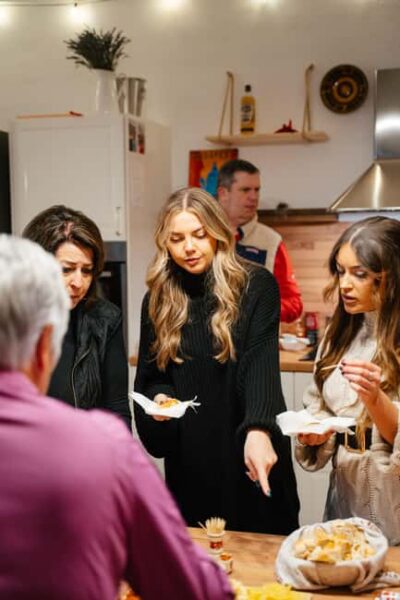


Hungarian Strudel Making Class: Stretch & Fill Two Ways
Read our review →
Private Budapest All In One Walking Tour with Strudel Stop
Read our review →Browse the lists this tour appears in