
Reviewed · FOOD TOURS
Budapest: Hungarian Wine & Food Tasting Experience
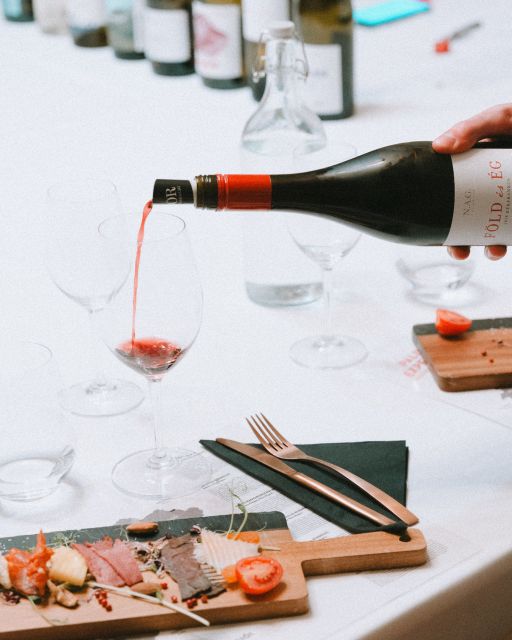
Hungary’s wine story is bigger than sweet Tokaj. This two-hour tasting lets you sample nine Hungarian wines, moving through four whites, four reds, and one dessert wine, with food matched to each pour. It is a useful introduction if you want more than a quick glass at dinner.
I like the clear range of styles, from Tokaj to the red Kadarka wines of Villány. I also like the nine food pairings, which turn the tasting into a small meal rather than a string of unrelated sips. The main consideration is simple: this is an adult-only activity, and two hours can feel short if you already know Hungarian wine and want a long, technical seminar.
- Nine wines in two hours: Four whites, four reds, and one dessert wine give you a broad first look at Hungary’s vineyards.
- Tokaj to Villány: The tasting covers both Hungary’s famous sweet-wine tradition and its fuller red wines.
- Food with every pour: Expect five meat pairings, four cheeses, nuts, dried fruit, and honey.
- A guided presentation: An English-speaking guide explains the wines, winemaking methods, and stories behind them.
- Central Budapest meeting point: Check in at the Pálinka Museum Budapest, then finish back at the same meeting point.
- Adults only: The experience is not suitable for children under 18 or pregnant women.
Nine Hungarian wines, not just Tokaj
The main reason to book this tasting is the range. Hungary is often reduced to Tokaj, the famous wine region known for sweet dessert wines. Tokaj deserves its fame, but it is only one part of the country’s wine identity.
Here, you sample four white wines, four reds, and one dessert wine. That lineup gives you a practical way to compare styles instead of trying to remember one isolated glass. You can notice how white wines differ from reds, then finish with a sweeter pour that shows why Hungarian dessert wine has such a strong place in the country’s food culture.
The exact labels and vintages are not specified, so I would treat this as a guided survey rather than a fixed bottle-by-bottle tasting. Wine selections can change. What remains clear is the structure: nine Hungarian wines, presented with food and explanation.
For a first visit to Budapest, that format makes good sense. You get a broad national introduction without spending an entire afternoon at a distant vineyard. The experience is in the Gastro Cellar in central Budapest, so it fits neatly into an evening between sightseeing and dinner.
From Tokaj sweetness to Villány reds
The tasting’s most interesting contrast is the move from Tokaj to the red wines associated with Villány. These are not simply different labels. They point to different corners of Hungary’s winemaking tradition and give the presentation a useful arc.
Tokaj is the name most international visitors recognize. It is especially associated with sweet wines, which is why the dessert pour gives the tasting a natural finish. A sweet wine can taste very different depending on what accompanies it, and the listed pairings include honey and dried fruit, ingredients that can help you notice the relationship between sweetness, fruit, and texture.
Villány brings a different mood. The region is known for red wines, and the tasting specifically mentions Kadarka among its selections. Kadarka is a Hungarian grape worth paying attention to because it gives the tasting a local identity that a lineup of familiar international varieties would not provide.
I like that the selection is described by Hungarian regions and grape traditions, not only by broad categories such as white and red. Ask the guide to point out which wines are most typical of Hungary. That question should help you separate wines that express local character from bottles that might be easier to find in other countries.
More eating your way around Budapest:
- Budapest: Guided Foodie Walking Tour with Food and Drinks
★ 4.9 · 453 reviews - Budapest Food Tour: Market to Tavern with 14+ Tasters & Wines
★ 5.0 · 434 reviews - Budapest Culinary & Wine Walk
★ 5.0 · 397 reviews
What happens during the two-hour tasting
You begin by checking in with staff at the Pálinka Museum Budapest. The activity then takes place at the Gastro Cellar and ends back at the original meeting point. Since the meeting arrangement is part of the experience, arrive with enough time to locate the check-in point rather than heading straight to the cellar on your own.
The tasting lasts two hours. That is long enough for a measured flight of nine wines, especially with food and a live presentation, but it is not an all-night wine course. You should expect a steady sequence of pours, explanations, and pairings.
A likely rhythm is a progression through the white wines, red wines, and dessert wine, with food matched along the way. The provided details do not give an exact order or serving size, so you should not assume that the event works like a full dinner or that every bottle is poured in the same amount.
The guide’s talk is an important part of the experience. You hear about the history of the wines, the methods used to make them, and the stories connected with the bottles. This matters because a tasting can otherwise become a blur of glasses. Context gives you handles to remember what you liked.
The presentation is in English, and a live guide leads the activity. That makes this a better choice for visitors who want explanations in real time rather than a self-guided flight with printed notes.
Why the food pairings matter
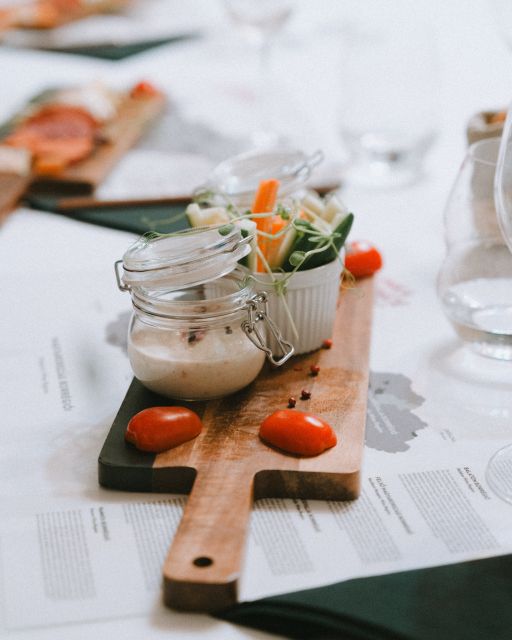
Wine tasting can leave you hungry, especially when several wines are served close together. The food here is more than decoration. Nine pairings are included: five meat pairings and four cheeses, along with nuts, dried fruit, and honey.
The meat and cheese selection gives you different textures to compare with the wines. A savory cured meat may make a red wine seem rounder or bring out its spice, while a soft or velvety cheese may change how you notice acidity in a white wine. You do not need a trained palate to benefit. Simply taste the wine first, then the food, then the wine again.
Nuts and dried fruit add another useful contrast. Dried fruit can echo the fruit notes in a wine, while nuts bring a firmer, more savory character. Honey is especially relevant with the dessert wine, where sweetness can either match the wine or make it seem less sweet by comparison.
The precise cheeses and meats are not listed, so I would not book this expecting a named regional food menu. Instead, think of the board as a set of small, traditional Hungarian-style accompaniments designed to show how food changes wine.
This also affects the value. At $65 per person, you are paying for nine tastings, nine food matches, venue entry, and a guide. It is not the same as paying for nine full glasses, but the combination is more substantial than a simple bar flight.
A small lesson in Hungarian wine culture
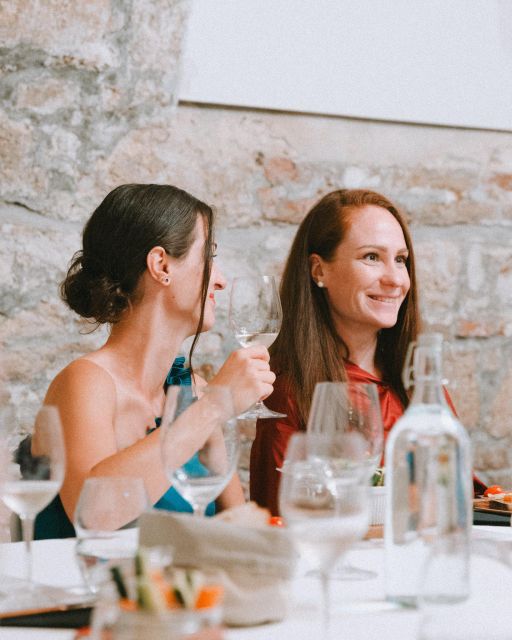
The guide’s speech gives the tasting its educational side. You hear about centuries of winemaking traditions, regional character, and the techniques behind the wines. The supplied information does not name the guide, so you should expect an English-speaking specialist rather than a specific presenter.
I find this kind of short lesson most useful when it stays connected to the glass in front of you. Listen for practical clues: where the wine comes from, whether it is dry or sweet, which grape is used, and why it was paired with that particular meat or cheese.
You can also use the presentation to plan the rest of your trip. If you prefer a dry white, a full red, or a sweet wine, make a note of the region and style. Then ask for something similar at a Budapest wine bar or restaurant. The tasting is only two hours, but it can give you a starting vocabulary for ordering Hungarian wine with more confidence.
Do not expect a formal qualification or advanced sommelier class. The experience is designed as an accessible introduction, with stories and explanations woven into a social tasting. That makes it suitable for curious beginners and for wine drinkers who know European wine but have little experience with Hungary.
More cellars and tastings within reach of Budapest:
- Budapest: Premium Sightseeing Cruise with Tokaj Frizzante
★ 4.7 · 2,510 reviews - Countryside Half-day Gastro-Wine Tour from Budapest Meal & pickup
★ 5.0 · 1,450 reviews - Budapest: Wine, Cheese, and Charcuterie Tasting
★ 4.9 · 647 reviews - From Budapest: Etyek Wine Tasting Tour with 3-Course Meal
★ 4.8 · 557 reviews
The Gastro Cellar setting and central location
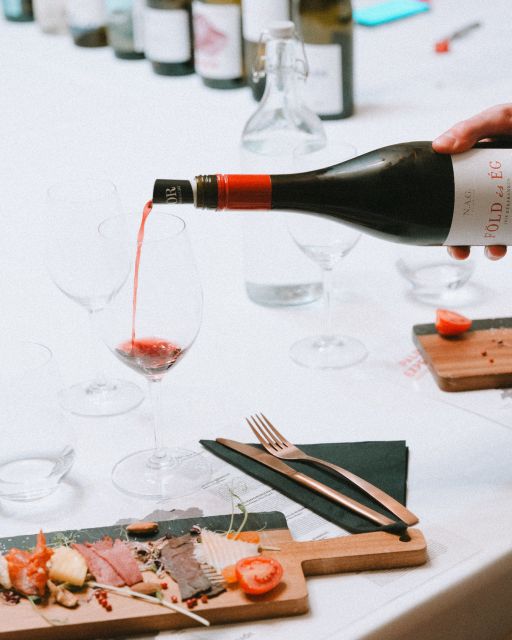
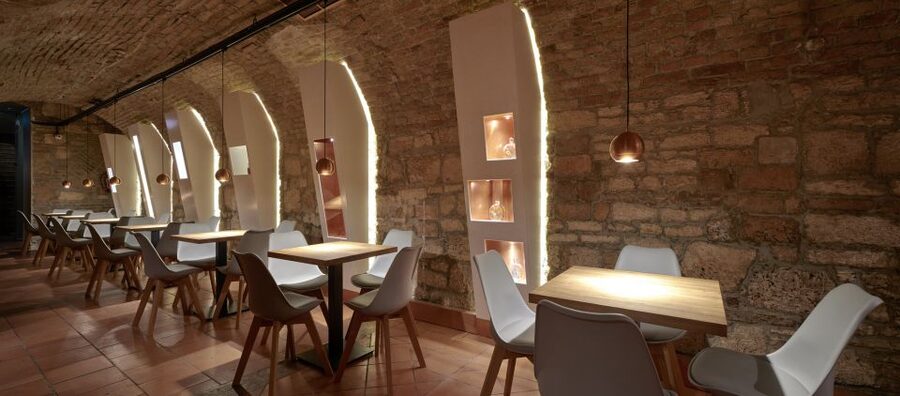
The Gastro Cellar gives the activity a dedicated home rather than placing it at a standard restaurant table. You enter through the check-in arrangement at the Pálinka Museum Budapest, and the experience includes entry to the venue and showroom.
The showroom adds some sense of place, though the supplied information does not describe its displays in detail. You should think of it as part of the venue access, not as a separate museum tour with a long schedule.
The central Budapest location is practical. A two-hour tasting can fit into an evening without committing you to a full-day trip outside the city. You will not need a transfer to a distant wine region, and the activity returns to the original meeting point.
That convenience is also the tradeoff. A cellar tasting in central Budapest cannot replace the experience of seeing vineyards, wineries, or rural wine villages. If your main goal is to visit the wine country itself, this activity is a city-based introduction rather than a countryside excursion.
Is $65 a fair price?
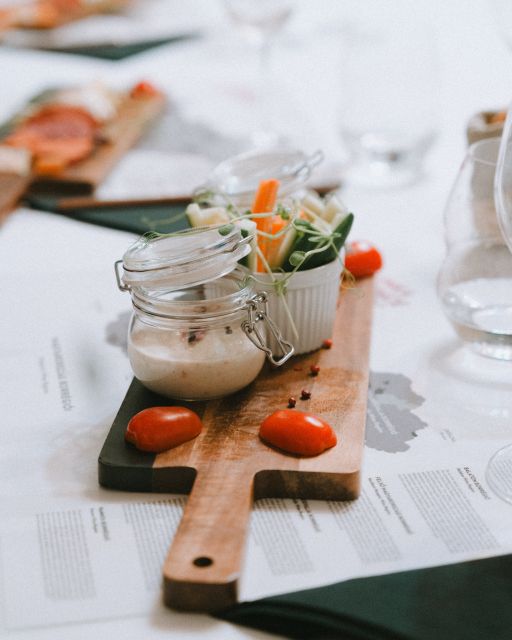
The price is $65 per person. On paper, that is not the cheapest way to drink wine in Budapest, but price comparisons should include what comes with it.
You receive nine Hungarian wines, nine food pairings, entry to the venue and showroom, and an English-speaking guide for two hours. The food includes five meats, four cheeses, nuts, dried fruit, and honey. That makes the cost easier to justify than a simple tasting of three or four pours.
The value is strongest if you are new to Hungarian wine and would otherwise order several glasses without knowing what to choose. The guide gives you regional and production context, while the food helps you compare each wine in a more memorable way.
The value is weaker if you are looking for a full dinner, large pours, or a private wine consultation. The included food is a tasting board, not a confirmed multi-course meal. Bottle names, vintages, portion sizes, and group size are not specified, so I would not assume a private setting or restaurant-size servings.
For most first-time visitors, the price is reasonable because it combines instruction, food, and a broad sample in a short city-center session. It is a good use of an evening when you want something more focused than ordinary sightseeing.
Who should book this experience?
This tasting suits adults who want a compact introduction to Hungarian wine. It works especially well for couples, friends, and solo visitors who enjoy trying regional food and want an English-speaking guide to explain what they are tasting.
It is also useful for people who already know Tokaj but want to understand more of Hungary’s dry whites and reds. The inclusion of Villány and Kadarka gives the tasting a wider reach than a single-region Tokaj session.
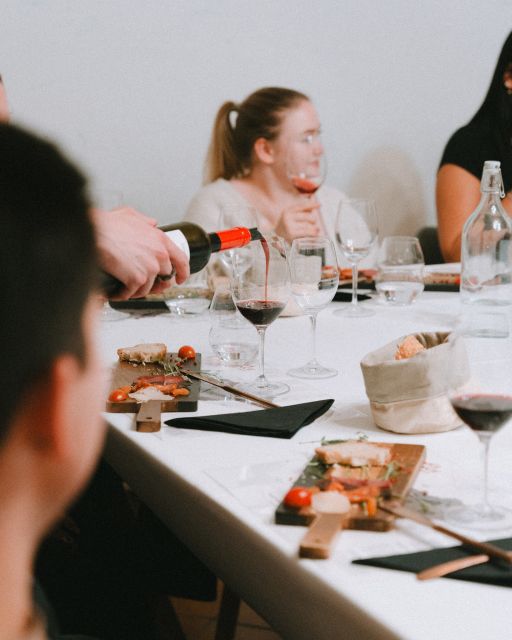
You should be comfortable with a group tasting format unless the provider states otherwise. The experience is guided and social, not presented as a private appointment. Since the schedule is only two hours, it favors a clear overview rather than long conversation about every bottle.
This is not suitable for children under 18 or pregnant women. It is also a poor choice if you do not drink alcohol, since the core of the activity is sampling nine wines.
Practical tips before you go
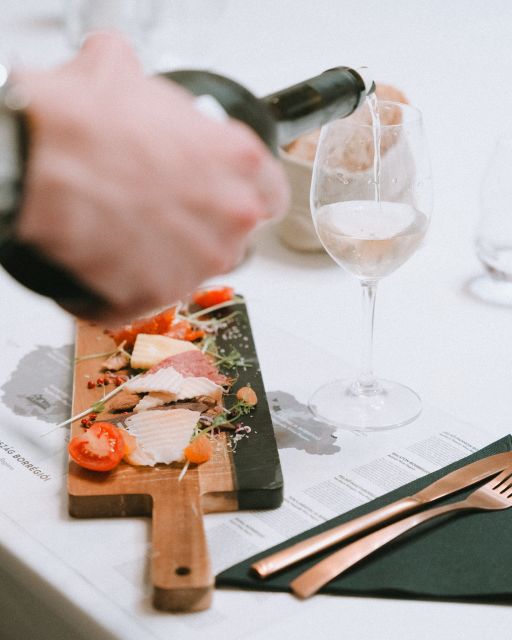
Check the available starting times before booking. The duration is fixed at two hours, but the schedule can affect how well the tasting fits around dinner, evening plans, or a concert.
Use the meeting point exactly as given: check in with staff at the Pálinka Museum Budapest. The activity ends back at that point, which makes the return simple, but you still need to allow time to find the entrance.
Eat lightly beforehand, but do not arrive overly full. The food pairings provide something substantial to taste with the wine, yet they are not described as a full meal.
Keep a note on your phone of the wines you prefer. With nine pours, names and styles can run together. Record the region, color, and whether you liked the wine dry, sweet, light, or full. That note can help you order later in Budapest.
If you have dietary restrictions, ask before booking or contact the provider in advance. The included food clearly contains meat, cheese, nuts, dried fruit, and honey, but no alternative menu is specified.
Free cancellation is available up to 24 hours before the activity for a full refund. You can also reserve now and pay later, which is useful if your Budapest plans are still changing.
Should you book the Hungarian Wine and Food Tasting?
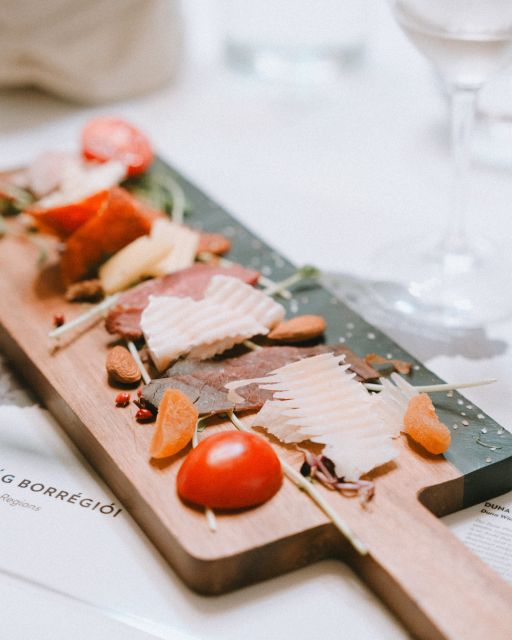
Book it if you want a well-organized, two-hour introduction to Hungary’s wine traditions without leaving Budapest. The strongest reasons are the nine-wine range, the Tokaj-to-Villány comparison, and the food matched to each pour.
Skip it if you want vineyard visits, a full meal, private attention, or advanced wine study. Those expectations go beyond what this compact cellar tasting promises.
At $65, I see it as a solid cultural food experience for adults who want to understand what they are drinking. You leave with more than a pleasant evening: you get a working introduction to Hungarian whites, reds, dessert wine, regional styles, and the foods that make them easier to appreciate.
FAQ
How long does the Hungarian wine tasting last?
The experience lasts two hours. Starting times vary, so check availability when you choose your date.
Where do I meet the guide?
You check in with staff at the Pálinka Museum Budapest. The activity ends back at the same meeting point.
How many wines are included?
Nine Hungarian wines are included: four white wines, four red wines, and one dessert wine.
What food comes with the tasting?
The tasting includes nine food pairings: five meat pairings, four cheeses, nuts, dried fruit, and honey.
Is the activity offered in English?
Yes. The activity includes a live English-speaking guide.
Can children attend the tasting?
No. The experience is not suitable for children under 18. It is also not suitable for pregnant women.
Just added around Budapest
- Walk to recent and aged spiritual sanctuaries near Budapest★ 5.0 · 5 reviews
- Budapest: Private Walking Tour with a Local Guide★ 3.6 · 6 reviews
- Budapest: City Bike Tour with Coffee Stop★ 5.0 · 37 reviews
- Budapest: Danube River Views Bike Ride★ 4.8 · 23 reviews
- From Budapest: Guided Tour of Eger with Wine Tasting★ 4.5 · 6 reviews
- Trash Art Museum: Hungary’s First Scrap Metal Exhibition★ 4.3 · 72 reviews
- True Crime Walking Tour in the Buda Castle district★ 5.0 · 26 reviews
- Budapest: 3-Hour Trabant Sightseeing Tour★ 4.7 · 28 reviews
Food Tours, compared.
Guided Foodie Walking Tour with Food and Drinks
Read our review →
Budapest Food Tour: Market to Tavern with 14+ Tasters & Wines
Read our review →
Budapest Food Tasting Tour with Nelli & her local guides
Read our review →
The Award-Winning Private Food Tour of Budapest: 6 or 10 Tastings
Read our review →
Browse the lists this tour appears in