
Reviewed · TOURS IN BUDAPEST
Art Nouveau Tour in Budapest: 3-Hour Private Tour
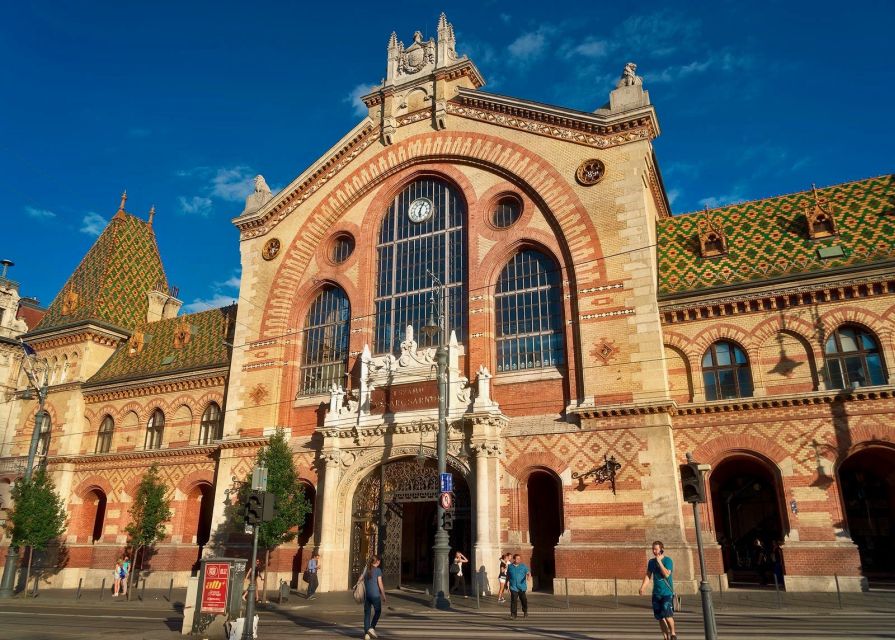
Budapest’s Art Nouveau is not just a collection of pretty façades. It tells the story of a city trying to define itself in the late 1890s and early 20th century, using Hungarian folk patterns, bold decoration, and new ideas about architecture. This private tour links those details to the larger story of Pest, so you see more than a row of ornate buildings.
I like the private format, which gives you room to ask about architecture, Hungarian life, or anything else that catches your eye. I also like the focus on less obvious buildings, including details such as beehive symbols and folk motifs that are easy to miss alone. The main drawback is practical: the tour involves walking and is not suitable for people with mobility impairments, and one past booking had a serious pickup problem, so confirm your meeting point in advance.
Key points to know
- Three hours in central Budapest: The tour focuses on Pest during the late 19th and early 20th centuries.
- Private group setting: You can ask personal questions and shape the conversation around your interests.
- Art Nouveau with a Hungarian character: Learn how folk motifs became part of Secession, the Hungarian term for Art Nouveau.
- More than architecture: The guide connects façades to Budapest’s cultural and political development.
- Pickup at your accommodation: Tell the local partner where you want to meet in Budapest.
- English, German, or Albanian: Live guiding is available in these three languages.
Why Budapest’s Art Nouveau deserves three hours
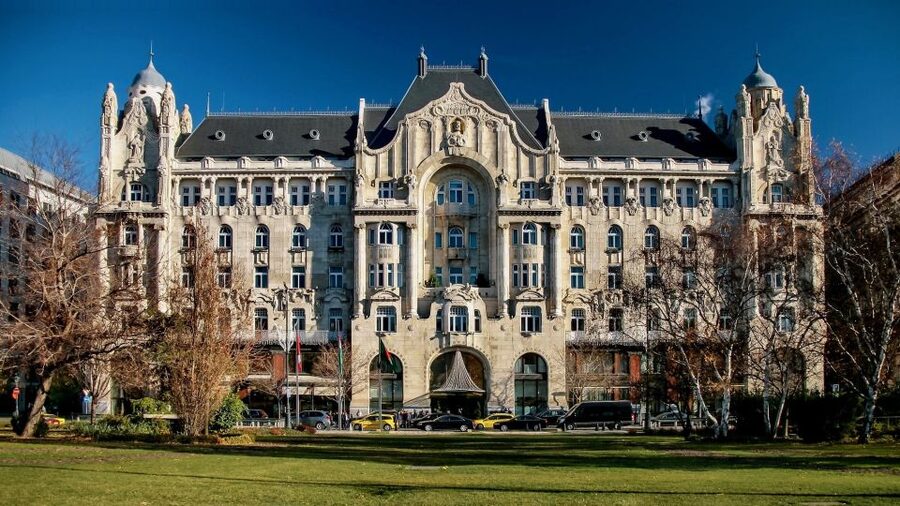
Budapest is often sold through its grand river views, thermal baths, and monumental avenues. Those are good reasons to visit, but Art Nouveau gives you a closer look at how the city presented itself during a period of rapid change.
In the late 19th century, Budapest was growing fast. Pest filled with new buildings, businesses, public institutions, and homes. Architecture became a way to show confidence. Decorative façades were not simply added for show. They helped buildings look modern, respectable, Hungarian, and different from older European styles.
Your guide explains why so many late 19th-century façades are so elaborate. You also learn why Budapest has no skyscrapers, a question that adds useful context to the city’s overall appearance. The tour is strongest when it connects a visible feature, such as a patterned façade or symbolic ornament, to a larger idea about the city.
I would choose this experience early in a Budapest visit if architecture or local history matters to you. After three hours, you will look at ordinary streets differently. A building that once seemed like background scenery may reveal a national symbol, a decorative joke, or a clue about the architect’s ambitions.
Other three-hour outings in Budapest:
- 3-Hour Orientation Walking Tour of Buda and Pest
★ 4.8 · 1,834 reviews - Budapest: 3-Hour Grand City Tour and Castle Walk
★ 4.3 · 1,437 reviews - Budapest: 3-Hour Live Guided Sightseeing Tour
★ 4.4 · 1,041 reviews
Beginning with Pest’s great historic decades
The exact route is not specified, so you should not expect a fixed checklist of famous landmarks. Instead, the tour moves through Art Nouveau examples in Pest and includes buildings you might not locate without a guide.
That flexible approach is useful. Budapest has plenty of decorative architecture, but its best examples are not always grouped together in an obvious sightseeing circuit. A private guide can explain what you are looking at as you go, rather than leaving you to compare façades from a guidebook.
The opening part of the tour sets the period. You learn about the decades when Budapest was being reshaped and about the cultural forces behind its new architecture. This historical frame matters because Art Nouveau can otherwise become a parade of curves, flowers, and colorful tiles with no clear meaning.
The guide also tells stories about the architects. That personal angle gives the buildings more character. Instead of treating every façade as anonymous city decoration, you begin to see choices and arguments: one architect may look to nature, another to Hungarian folk art, and another to new construction ideas.
Reading the decorative façades
One of the most practical parts of the experience is learning how to read a building from the street. The tour explains why many façades from this period are so decorative and what the decoration was meant to achieve.
You may learn to look for repeated shapes, plant forms, geometric patterns, and figures placed above entrances or windows. The value is not only in spotting attractive details. You gain a method you can use for the rest of your time in Budapest.
The guide also discusses the way Art Nouveau changed architecture. This movement broke from older rules and encouraged architects to experiment with form and ornament. On a busy sightseeing day, that is a helpful reminder that these buildings were once new and daring, not simply old structures waiting to be photographed.
Bring comfortable shoes and clothes. The tour lasts three hours, and the experience is built around seeing buildings in the city rather than sitting in one indoor venue. Printed material, a notebook, and a pen are included, which may appeal to visitors who like taking notes or keeping a record of the buildings they see.
Finding Hungarian ideas inside Art Nouveau
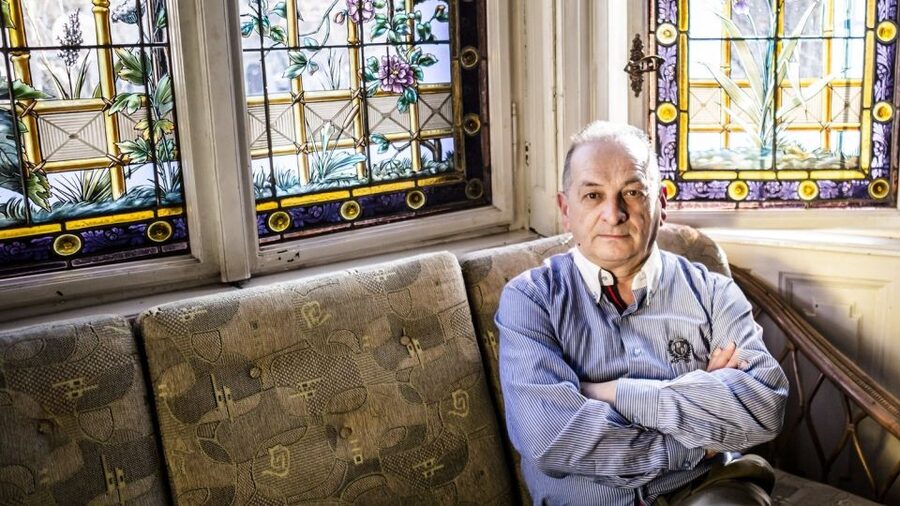
Budapest’s version of Art Nouveau is especially interesting because it does not copy Western European design without alteration. The guide explains how Hungarian folk motifs were worked into Art Nouveau buildings.
That point gives the tour a strong cultural focus. You are not only learning a European art movement. You are seeing how Budapest used architecture to express a local identity during a period when Hungary was thinking carefully about its place in Europe.
The Hungarian word for Art Nouveau is szecesszió, or Secession. Learning this term helps you understand that the movement was often described as a break from accepted styles. The word suggests separation, and the buildings reflect that wish to move away from old formulas.
Look closely at the way motifs are used. Folk-inspired decoration can be bold, repeated, and highly stylized. Your guide helps explain what has been borrowed from Hungarian tradition and how it has been turned into modern architectural ornament.
This is where the private format pays off. You can stop to ask what a motif means, how much is based on folk design, or how Art Nouveau in Budapest differs from what you may have seen elsewhere. The guide can also answer broader questions about Hungarian people and culture, not just buildings.
Other private tours around Budapest:
- Private Budapest TukTuk Tour: Custom Route, Hotel Pickup
★ 5.0 · 1,307 reviews - Budapest Essentials Private Tour Highlights and Hidden Gems
★ 5.0 · 861 reviews - Budapest Private Tuk Tuk Half-Day Tour
★ 5.0 · 606 reviews - Budapest One Way Private Transfer to or from Airport
★ 4.5 · 548 reviews
Beehives, public buildings, and architectural symbols
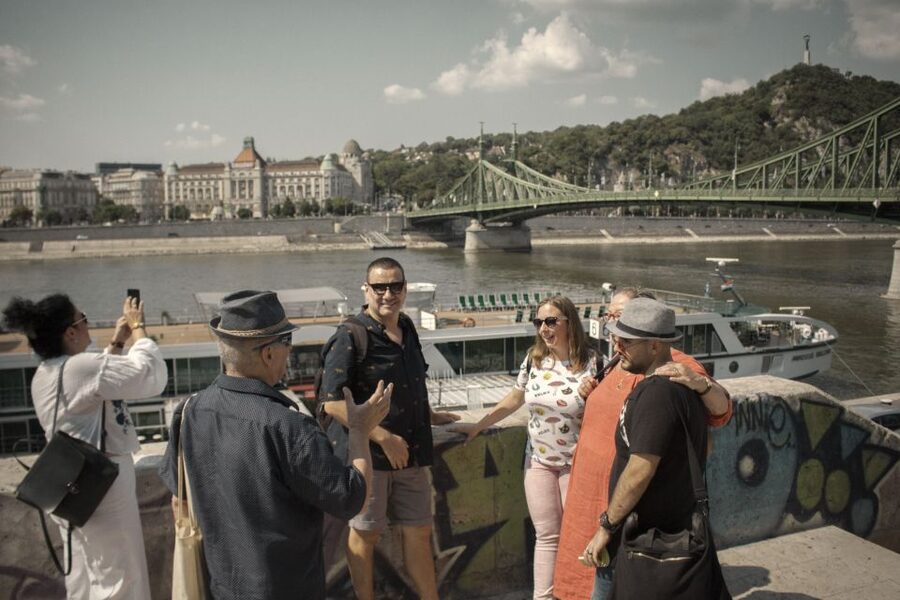
A particularly unusual topic is the meaning of beehives on Budapest’s public buildings. This is the kind of small detail that makes a guided architecture walk worthwhile. You might pass the same symbol alone and never consider why it was used.
The tour treats ornament as a language. A beehive can carry an idea about work, cooperation, or civic purpose, depending on its setting. Your guide gives you the context needed to understand why such symbols appeared on public architecture.
This approach keeps the tour from becoming a simple façade-spotting exercise. You are encouraged to ask what a building wanted to communicate and who it was built to impress. That adds a social layer to the architecture.
You also hear stories about the people behind the buildings. Since the tour is private, you can spend more time on the architects or subjects that interest you most. If you are traveling with someone who cares about design while you care about history, the guide can move between both without having to follow a large group’s schedule.
A personal tour rather than a fixed group walk
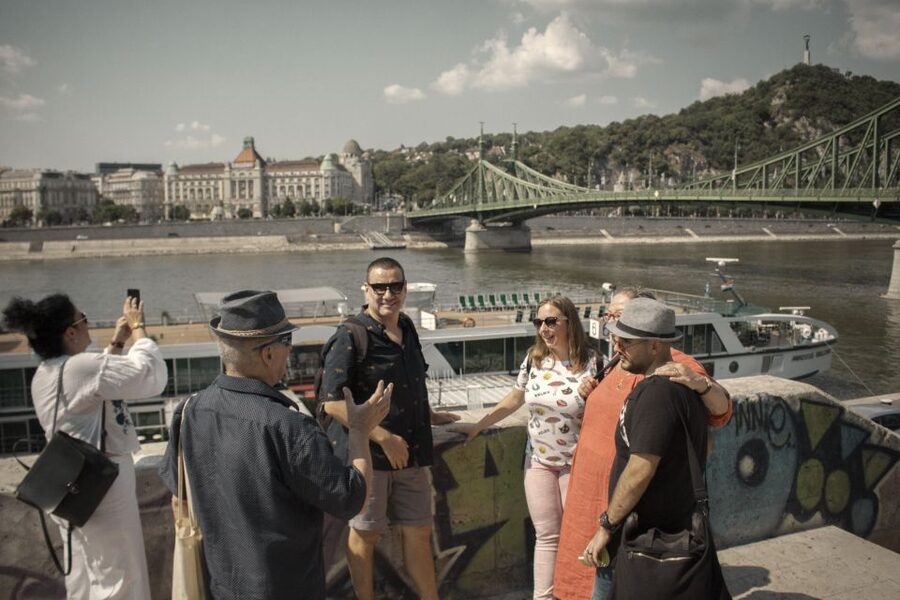
The private group format is one of the clearest advantages here. You are not sharing the guide’s attention with a large crowd, and the pace can be more conversational.
The experience is especially well suited to architecture students, history enthusiasts, photographers, and curious first-time visitors who want to ask plenty of questions. It also works for a couple or small family that prefers a focused introduction to Budapest instead of a broad city tour.
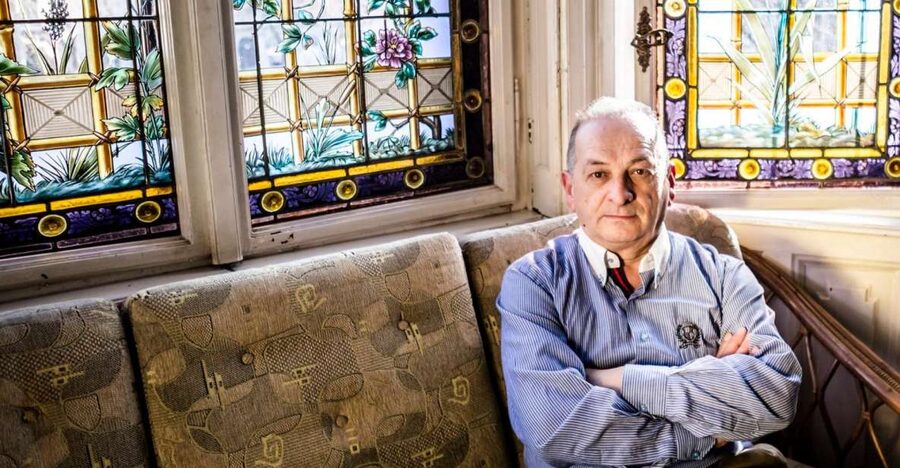
Several details point to the guide’s personal role. Miklos has been associated with the experience and is described as covering Art Nouveau buildings while also helping with the underground and tram system. He is also noted for answering wider questions about Hungary and for bringing a teaching style to the walk.
Do not book this expecting a silent photography outing. The main value comes from explanation. You will spend time listening, asking, and connecting the buildings to Budapest’s past. If you prefer to move quickly from one sight to the next, three hours may feel long.
The listed guide languages are English, German, and Albanian. Check availability in your preferred language when booking, since the language you need may affect the available start times or guide.
Pickup, walking, and daily comfort
Pickup is included from your accommodation in Budapest. You need to tell the local partner where you want to be met, and from there you travel with the guide to the first stop.
That sounds simple, but it is worth treating the meeting point as an important part of the booking. One past booking involved a missed pickup and difficulty reaching the provider. I would confirm the exact address, time, and contact details before the day of the tour rather than assuming the arrangement is automatic.
Transportation is not included as a separate service. The guide may introduce you to the underground and tram system, but the description does not promise paid transport during the tour. Ask at booking if you expect to use public transit or have questions about fares.
Wear comfortable shoes and clothes. The activity is not suitable for people with mobility impairments, so consider the walking demands before booking. No food or drink is included, and a three-hour architecture tour is easier if you eat beforehand or plan a café stop afterward.
The notebook, pen, and printed material are modest additions, but they fit the subject. If you enjoy recording building names, symbols, or design terms, you can use them during the walk. If you travel light and rarely take notes, they will not make much difference to the value.
What $127 means for the experience
At $127 per person, this is not a cheap way to spend three hours in Budapest. The price makes the most sense when you compare it with what you are buying: a private guide, a tailored conversation, accommodation pickup, and access to architectural details that are easy to miss alone.
For one person, the cost is a substantial choice. For a small private group, the value improves because you are paying for a personal experience rather than a standard large-group walk. The more questions you ask, the more the private format earns its price.
I would not choose this tour simply because it includes many buildings. The route is not presented as a long list of headline sights. I would choose it because you want interpretation, local context, and time with a guide who can adjust the discussion.
The price also reflects a subject that is more specialized than a basic Budapest introduction. If you have already seen the main sights and want a new way to understand the city, the focus may justify the cost. If this is your first hour in Budapest and you know little about the city, a broader orientation tour may be a better first purchase.
Who will get the most from this Art Nouveau tour
I would recommend it most strongly to:
- People who notice architectural details and want help interpreting them.
- Visitors interested in Hungarian history and cultural identity.
- Repeat visitors who have already seen Budapest’s main landmarks.
- Couples or small groups who prefer private guiding.
- Anyone who enjoys asking detailed questions rather than following a fixed lecture.
- Visitors who want a personal introduction to the tram and underground system alongside architecture.
You may want to skip it if your mobility is limited, if you dislike walking, or if you want food, interiors, or transportation included. The experience focuses on city architecture and explanation, not a meal or a broad package of attractions.
The guide’s ability to discuss Hungary beyond architecture is another reason to choose it. You can ask about local customs, history, and people while looking at the buildings. That makes the tour more useful than a narrow design lesson, especially if you are trying to understand Budapest as a living city.
Should you book this three-hour tour?
Book it if Art Nouveau, Hungarian culture, and private conversation appeal to you. The strongest part is the connection between decorative buildings and the story of Budapest’s growth, identity, and architectural change.
I would book with two precautions. First, confirm the pickup location and time carefully. Second, be ready for a walking-focused experience with no food or drink included.
For a small group, $127 per person can be fair if you value personal attention and detailed questions. For a solo visitor on a tight budget, it is harder to justify unless Art Nouveau is a main reason for your Budapest visit. If that is your interest, this tour offers a focused look at the city that a standard sightseeing route may not provide.
FAQ
How long does the Art Nouveau tour last?
The tour lasts three hours.
Where does the tour begin?
The guide meets you at your accommodation in Budapest. You must tell the local partner where you would like to be picked up.
Is the tour private?
Yes. It is offered for a private group.
Which languages are available?
Live guiding is available in English, German, and Albanian.
What does the tour focus on?
It focuses on Budapest’s Art Nouveau architecture and the movement’s effect on the city during the late 19th and early 20th centuries.
Will I learn about Hungarian folk motifs?
Yes. The tour explains how Hungarian folk motifs were used in Art Nouveau designs.
Does the tour explain the Hungarian name for Art Nouveau?
Yes. You learn why Art Nouveau is called Secession, or szecesszió, in Hungarian.
Are food and drinks included?
No. Food and drink are not included.
Is transportation included?
No transportation is included. The guide may introduce you to Budapest’s underground and tram system during the experience.
Is the tour suitable for people with mobility impairments?
No. The activity is not suitable for people with mobility impairments. Comfortable shoes and clothes are recommended.
Can I cancel for a full refund?
Yes. You can cancel up to 24 hours in advance for a full refund.
Do I have to pay when I book?
No. The reserve now and pay later option lets you book without paying anything at the time of reservation.
Just added around Budapest
- Walk to recent and aged spiritual sanctuaries near Budapest★ 5.0 · 5 reviews
- Budapest: Private Walking Tour with a Local Guide★ 3.6 · 6 reviews
- Budapest: City Bike Tour with Coffee Stop★ 5.0 · 37 reviews
- Budapest: Danube River Views Bike Ride★ 4.8 · 23 reviews
- From Budapest: Guided Tour of Eger with Wine Tasting★ 4.5 · 6 reviews
- Trash Art Museum: Hungary’s First Scrap Metal Exhibition★ 4.3 · 72 reviews
- True Crime Walking Tour in the Buda Castle district★ 5.0 · 26 reviews
- Budapest: 3-Hour Trabant Sightseeing Tour★ 4.7 · 28 reviews
Tours in Budapest, compared.

Unlimited Prosecco, Beer and Aperol Spritz Cruise
Read our review →
Széchenyi Spa Day Ticket with Optional Upgrades
Read our review →

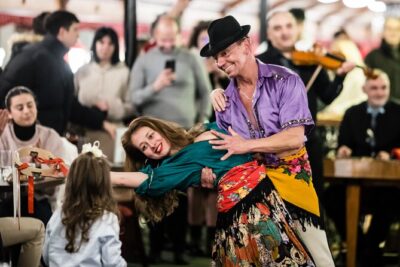
Budapest Danube Cruise and Dinner Options, Live Music and Dance
Read our review →
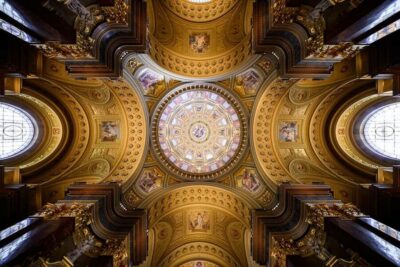
St. Stephen’s Basilica Entry with Terrace Option
Read our review →Browse the lists this tour appears in