
Reviewed · BUDA CASTLE & CASTLE DISTRICT
Budapest: Buda Castle Private Walking Tour
Buda Castle is more than a grand palace on a hill. It is a record of Budapest’s past, written in medieval walls, baroque buildings, Ottoman damage, and wartime scars. This three-hour private walk gives you time to connect those layers rather than simply snap a few pictures and move on.
I like the one-guide-to-six-people format, which lets you ask questions and set a comfortable pace. I also like the excellent route through Matthias Church and Fishermen’s Bastion, where the views across the Danube toward Parliament are the real prize. The main catch is that entrance fees, public transport, food, and drinks are not included, and the hilly cobblestones are a poor match for limited mobility.
Key points to know before you book
- Attila may be your guide: He is praised for clear English, dry humor, personal attention, and wide knowledge of Budapest beyond the castle.
- The route covers the main Castle District sights: Expect Buda Castle, Matthias Church, Holy Trinity Square, Fishermen’s Bastion, and several scenic viewpoints.
- You get a private group: The price is $141 for up to six people, making it far better value for a full group than for one or two participants.
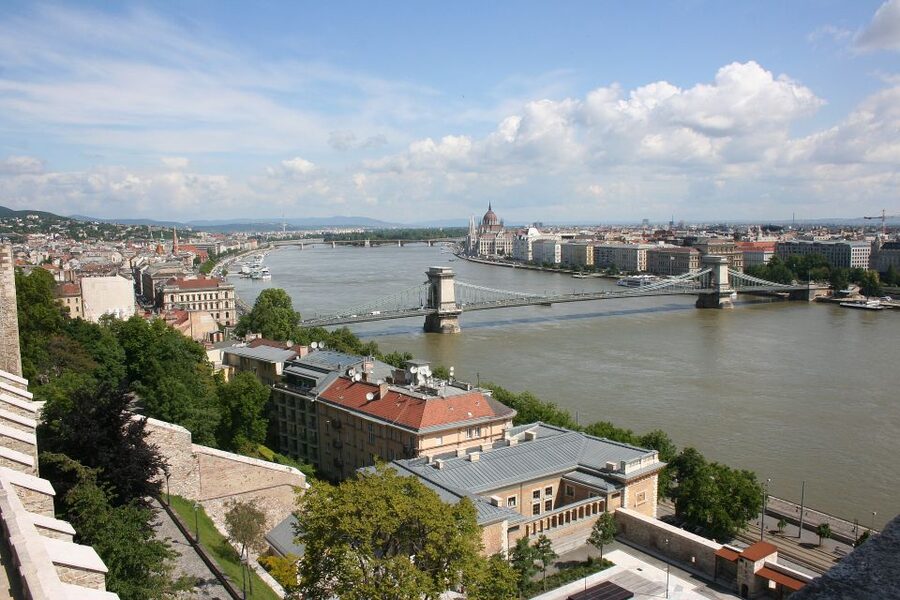
- The view is a major part of the experience: Castle Hill gives you broad views over the Danube and Pest’s monumental buildings.
- The story runs from the 13th century to the 20th century: Medieval Buda, Ottoman rule, the Habsburg era, and the battles of 1944-45 all shape what you see.
- You can ask for more: The walk may be extended to include Watertown, the narrow district between the Danube and Castle Hill.
Why Buda Castle deserves a guided walk
Budapest is often described through its river. From the Pest side, the Danube frames Parliament, bridges, and the hills beyond. On this tour, you cross that visual divide and spend time on the older, hilltop side of the city.
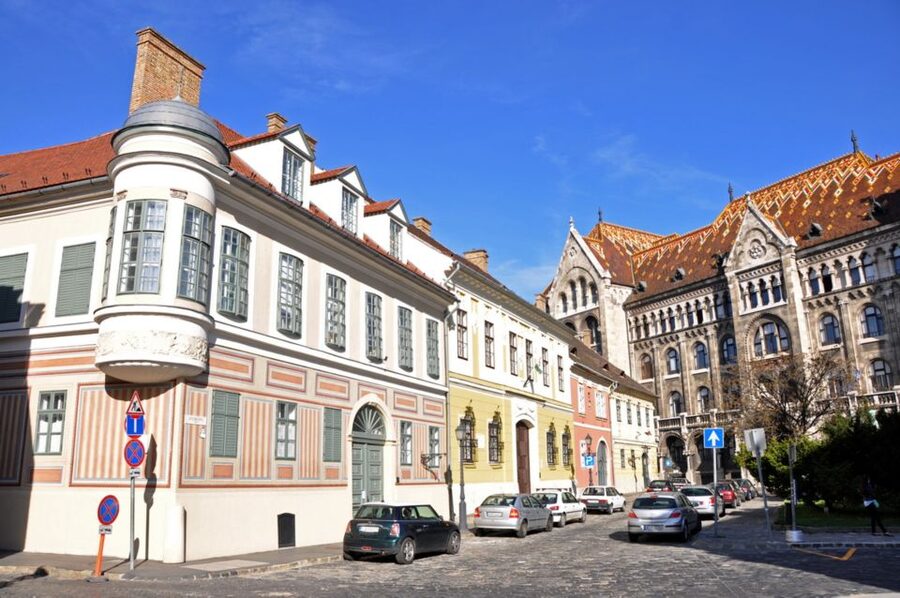
Castle Hill is not one isolated building. It is a district of streets, squares, churches, palace buildings, defensive walls, and homes rebuilt over many centuries. A guide helps you read the mix. A medieval-looking wall may sit beside a baroque facade, while a carefully restored building can hide the damage caused by the 1944-45 fighting.
The history here is unusually layered. Buda’s castle district reaches back to the 13th century, then enters its great 15th-century period before Ottoman rule, Habsburg control, and modern war changed its appearance. You are not only looking at old stones. You are seeing how power shifted in Hungary.
That makes a private tour especially useful. You can stop when a detail catches your eye, ask about a confusing period, or request a slower explanation. With a large group, the guide has to keep moving. Here, the conversation can follow your interests.
More of the castle hill around Budapest:
- Budapest: Buda Castle Cave Tour
★ 4.7 · 5,677 reviews - Budapest: Buda Castle District Vampires and Myths Night Tour
★ 4.6 · 3,830 reviews - Budapest: Buda Castle Walk with Saint Stephen’s Hall
★ 4.5 · 3,012 reviews
Beginning on Castle Hill
The tour includes pickup from hotels in Budapest, which is helpful if you are still learning the city’s layout. The meeting arrangement is also practical for a private walk because you do not need to find a large group at a busy landmark.
Once on Castle Hill, expect a walking route of about three hours. The exact order of stops can vary, but the core visit centers on the castle complex, Holy Trinity Square, Matthias Church, and Fishermen’s Bastion.
Wear shoes that can handle uneven paving. This is not a museum tour with a bench every few minutes. You will walk uphill and across cobblestones, so comfortable footwear matters. The experience is not suitable for wheelchair users, people with mobility impairments, pregnant women, or babies under one year.
Rain can affect the pace and enjoyment. One earlier booking had to change because of unexpected rain, which is a reminder to check the forecast and dress accordingly. The views are part of the point, and gray weather can limit them.
Buda Castle and the medieval story
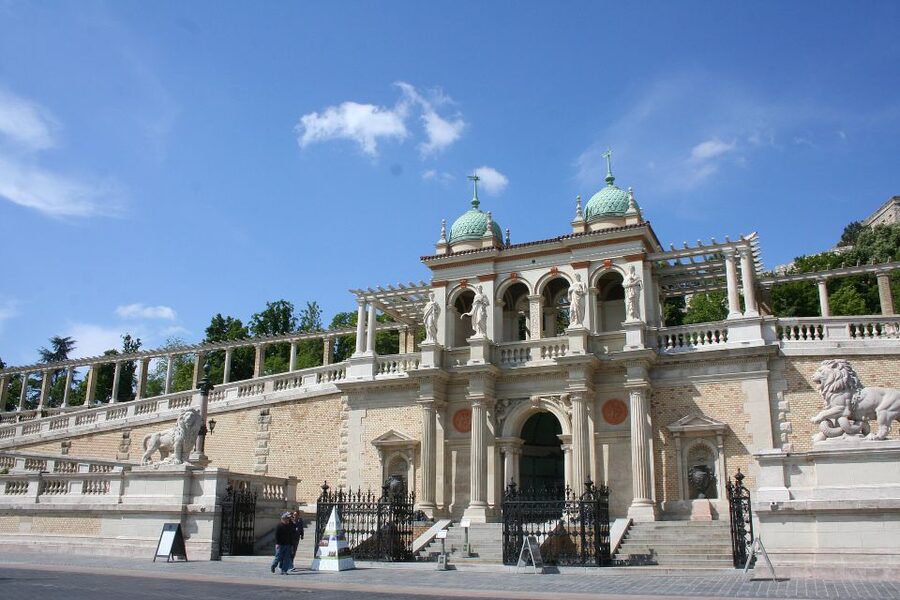
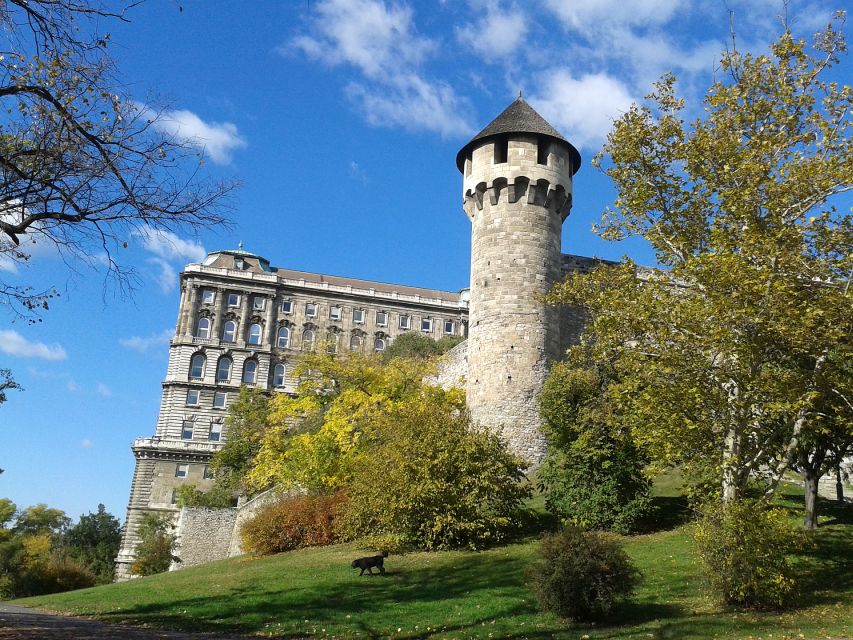
Buda Castle, also called the Royal Palace, is the most imposing building in the district. Its size and position make the reason for the site clear: this hill was a place of defense, government, and royal power.
The guide’s historical thread begins in the medieval period. You learn how Buda developed, then move toward the 15th century, when the city reached a high point under Hungarian royal rule. This period gives the castle its strongest sense of ceremony and prestige.
The story does not stop with royal glory. The Ottoman invasion had a major effect on the district, as did later Habsburg rule. The buildings you see today reflect destruction, rebuilding, and changing political tastes. A guide can explain why the area does not present one clean architectural style.
The 1944-45 battles are another crucial part of the visit. War damaged the castle area badly, and later restoration shaped what remains visible today. If you enjoy history, this broad timeline is one of the tour’s best features. You are given enough context to understand why the district looks the way it does instead of hearing a list of dates without a clear connection.
Past participants have especially valued the guide’s ability to connect Buda Castle with the rest of Budapest. Attila, a guide associated with this experience, is known for discussing subjects from Roman times through the Communist period. That wider view helps you see Castle Hill as part of the city’s full story, not a separate attraction.
Holy Trinity Square and Matthias Church
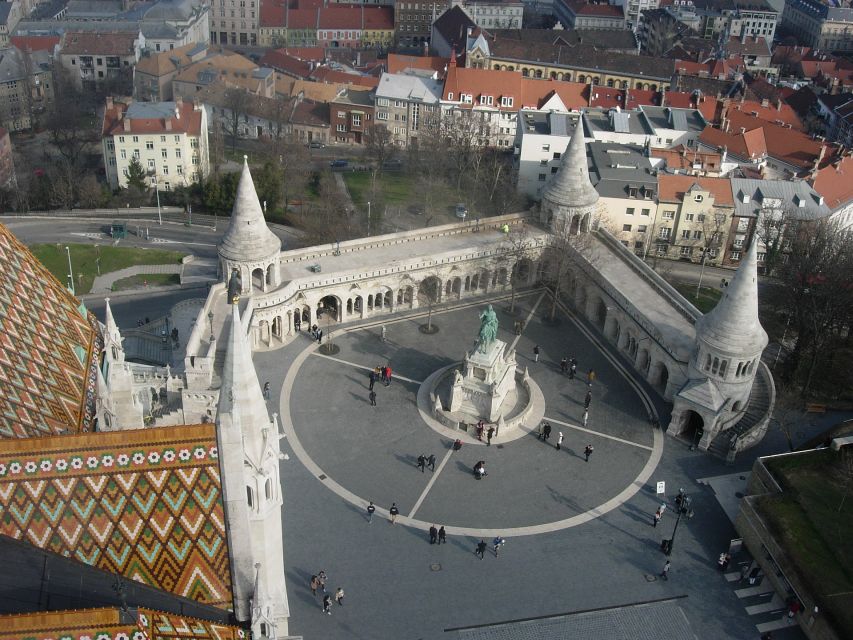
Holy Trinity Square is one of the natural centers of the Castle District. Matthias Church dominates the square with its striking roof and Gothic character, though the building’s appearance also reflects later rebuilding and restoration.
The church is one of the tour’s key stops, but entrance is not included in the price. You should ask at booking or before the walk begins whether you want to go inside and how much the current ticket costs. If you choose not to enter, you can still appreciate the exterior and the square with your guide.
Matthias Church matters because it links architecture with Hungarian royal and religious history. The name itself recalls King Matthias, one of the central figures in the 15th-century story of Buda. The church also helps explain the changing identity of the district under Ottoman and Habsburg rule.
A private guide can make this stop more useful than a quick photo break. You can ask why the church looks different from the palace, how its history fits into the city’s political changes, and what details are original or restored. The value is in the explanation, since the ticket price is separate and the walk does not promise an included interior visit.
Other guided walks around Budapest:
- Big Bus Budapest Hop-On Hop-Off Bus and Walking Tour
★ 3.5 · 2,206 reviews - Budapest: Buda Castle District Walking Tour
★ 4.6 · 2,108 reviews - Budapest City Landmarks Walking Tour in 2 Hours
★ 5.0 · 2,048 reviews - 3-Hour Orientation Walking Tour of Buda and Pest
★ 4.8 · 1,834 reviews
Fishermen’s Bastion and the big Budapest view
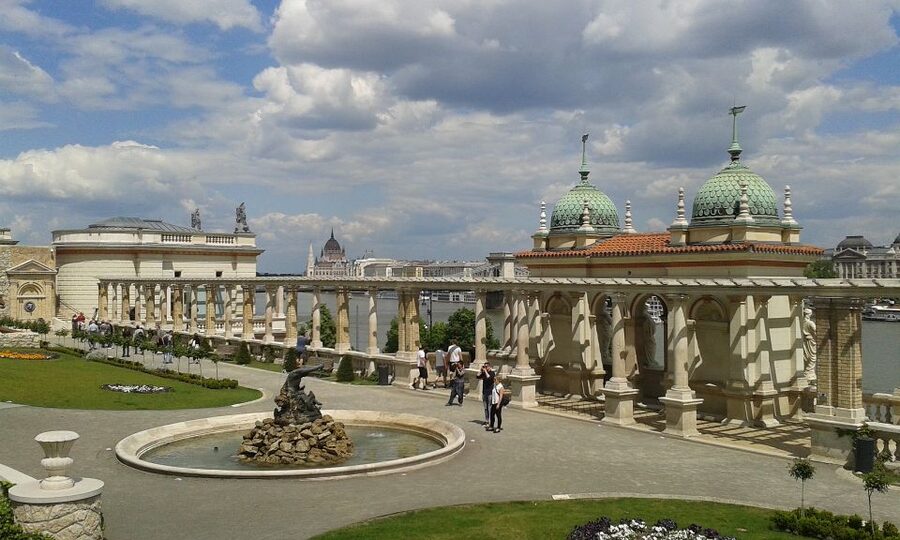
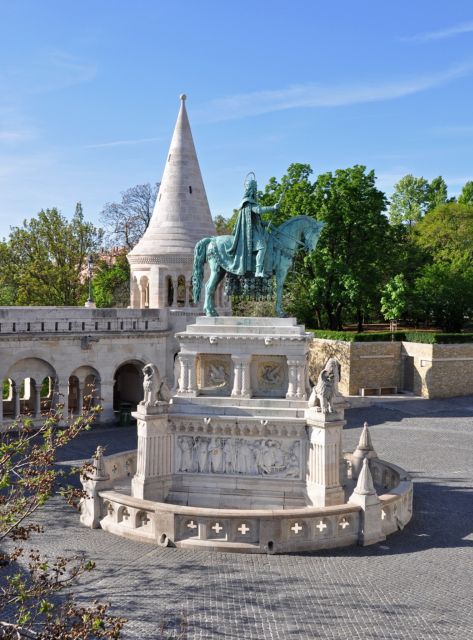
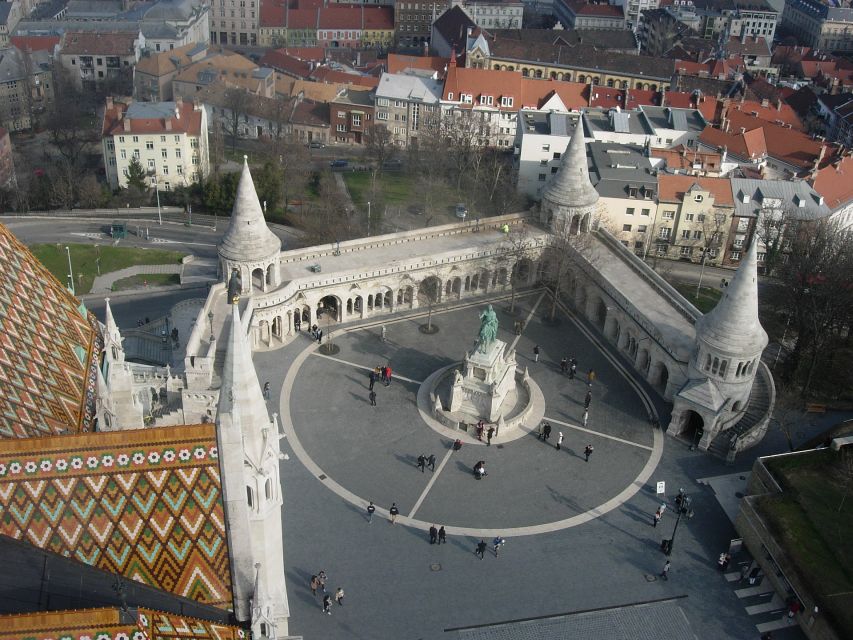
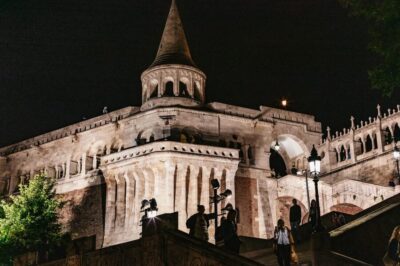
Fishermen’s Bastion is the scenic high point of the walk. Its white stone terraces and towers give you a wide view over the Danube toward Pest. Parliament is among the monumental buildings visible from the hill, and the river helps you understand how Buda and Pest fit together.
The viewpoint is often busy, but a private tour still gives you an advantage. You can ask the guide to identify the buildings below and explain why this side of the river was so important strategically. The tour description calls the panorama one of the world’s most beautiful city views, and it is easy to see why the setting is so memorable.
This is also where the practical difference between a history walk and a photo stop becomes clear. You get the photograph, but you also learn what you are looking at. The view becomes a map of Budapest rather than a backdrop with no names attached.
Fishermen’s Bastion is not simply another old fortification. It is part of the carefully shaped appearance of the Castle District, where medieval references, later construction, and city views work together. Your guide can place it within the larger story of the hill and its defensive role.
Bring a camera, but do not rush this stop. The route includes scenic views along the way, not just one final lookout. If weather is poor, the panorama may be less impressive, so this is one experience where clear conditions make a real difference.
The personal guide makes the difference
The strongest reason to choose this tour is the guide-led format. The guide speaks English and works only with your private group, with a maximum of six people. That is a good size for questions and conversation without the cost of a fully private guide for just one person.
Attila has received repeated praise for being friendly, humorous, and exceptionally well informed. His dry humor appeals to some people, and his style seems to include more than a prepared speech. He has discussed individual interests with members of the same group, which can make the walk feel more personal.
The practical help can be just as valuable as the historical talk. Attila has helped with public transport tickets, offered suggestions for the rest of a Budapest visit, and escorted one group toward its next destination near St. Stephen’s Basilica after the castle walk ended. These extras are not guaranteed parts of the itinerary, but they show the sort of flexible help you might receive.
You should still tell your guide what you want. If you are focused on medieval architecture, say so. If you want more about 20th-century Budapest, ask. A private tour gives you room to shape the conversation, and the guide’s broad knowledge makes that possible.
Is $141 good value for your group?
The price is $141 per group of up to six people. For six participants, that works out to $23.50 per person before entrance fees and any transport costs. For two people, the effective price is much higher, but you are paying for privacy, flexibility, and a dedicated English-speaking guide.
That makes this a stronger deal for families, friends, or a small group traveling together. Six people can share the cost while still keeping the group small enough for easy conversation. Solo visitors and couples may find a group tour cheaper, but they would lose the ability to ask as many questions or adjust the pace.
Remember to budget for extra costs. Public transportation and admission fees are not included, and neither are food or drinks. Hotel pickup is included, which saves you the trouble of finding the meeting point, but it does not mean all transport during the day is covered.
The price is most worthwhile if you care about the story behind the sights. If you only want a quick walk around the outside of the castle and a few pictures, you may not need a private guide. If you want context, questions answered, and a route shaped around your interests, the cost is easier to justify.
Extending the walk to Watertown
The standard experience lasts three hours, but you can request an extension to Watertown. This is the narrow area of twisting streets between the Danube and Castle Hill.
That extension may suit you if you want to see more than the best-known castle sights. The Castle District can feel formal and monumental, while Watertown offers a different sense of the city’s older street pattern. Since the extension is available on request, confirm the added time and cost before booking.
Do not assume the extension is part of the basic three-hour price. The included experience is the Buda Castle walking tour with an English-speaking private guide. Watertown is an optional addition that needs to be arranged.
Who will enjoy this tour most?
I would choose this walk for first-time visitors who want a clear introduction to Buda Castle without being pushed through a large group. It also suits history-minded travelers who want to connect medieval Buda with Ottoman, Habsburg, wartime, and Communist-era Budapest.
Families with older children may appreciate the private format, especially if young people need questions answered in plain language. A small group of friends can also make good use of the price, since the $141 fee covers up to six people.
This is less suitable if you have difficulty walking on hills or uneven streets. The tour is explicitly not suitable for people with mobility impairments or wheelchair users. It is also not suitable for pregnant women or babies under one year.
You should also think about the weather. Budapest’s views are a central part of the experience, and rain can disrupt the route. Comfortable shoes and a forecast-friendly day will improve the visit.
Booking details worth knowing
The tour lasts three hours, with starting times depending on availability. Pickup is provided from hotels in Budapest. The language is English, and the group is private.
You can cancel up to 24 hours in advance for a full refund. The reserve-now, pay-later option gives you some flexibility if you are still arranging your Budapest schedule.
The tour’s current rating is 4.9 from 46 bookings, and the repeated praise centers on the guide’s warmth, humor, clear English, historical skill, and willingness to help beyond the formal route. The most useful takeaway is not simply that the walk is popular. It is that the guide can turn a standard castle visit into a conversation shaped around your group.
Should you book the Buda Castle private walking tour?
Book it if you want to understand the Castle District rather than simply photograph it. The route covers the essential sights, the views are excellent, and a private group of up to six makes the $141 price reasonable for families or friends.
I would be especially inclined to book if Attila is available and you value a guide who can move from medieval kings to Communist Budapest without losing the thread. His humor, personal attention, and practical city advice add real value.
Choose another option if you need step-free access, dislike walking on cobblestones, or want all entrance fees and transport included. For everyone else, this is a well-focused way to spend three hours on Budapest’s most historic hill.
FAQ
How long is the Buda Castle walking tour?
The tour lasts three hours.
What is included in the price?
The price includes the Buda Castle walking tour and an English-speaking private guide. Hotel pickup in Budapest is also included.
How much does the tour cost?
The price is $141 per private group of up to six people.
Are entrance fees included?
No. Entrance fees are not included in the tour price.
Is public transportation included?
No. Public transportation costs are separate.
Is hotel pickup available?
Yes. Pickup from hotels in Budapest is included.
Is the tour private?
Yes. The experience is offered as a private group tour with an English-speaking guide.
Can the tour include Watertown?
Yes. The walk can be extended on request to include Watertown, the narrow area between the Danube and Castle Hill.
Is the tour suitable for wheelchair users or people with mobility impairments?
No. The tour is not suitable for wheelchair users or people with mobility impairments. It is also not suitable for pregnant women or babies under one year.
Just added around Budapest
- Walk to recent and aged spiritual sanctuaries near Budapest★ 5.0 · 5 reviews
- Budapest: Private Walking Tour with a Local Guide★ 3.6 · 6 reviews
- Budapest: City Bike Tour with Coffee Stop★ 5.0 · 37 reviews
- Budapest: Danube River Views Bike Ride★ 4.8 · 23 reviews
- From Budapest: Guided Tour of Eger with Wine Tasting★ 4.5 · 6 reviews
- Trash Art Museum: Hungary’s First Scrap Metal Exhibition★ 4.3 · 72 reviews
- True Crime Walking Tour in the Buda Castle district★ 5.0 · 26 reviews
- Budapest: 3-Hour Trabant Sightseeing Tour★ 4.7 · 28 reviews
Buda Castle & Castle District, compared.
Buda Castle District Vampires and Myths Night Tour
Read our review →


Buda Castle District Dark History, Legends and Vampire Night Tour
Read our review →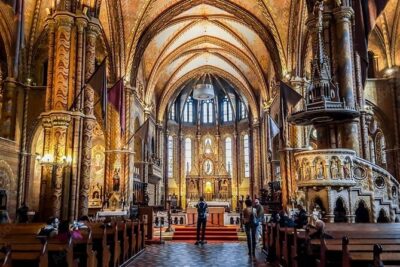

1.5 Hour Budapest Segway Tour – To The Castle Area
Read our review →Browse the lists this tour appears in