Reviewed · TOURS IN BUDAPEST
Budapest: Memento Park Ticket
Budapest’s Memento Park gathers the huge statues that once watched over the city during Hungary’s communist era. Instead of hiding them, the park places them together as a blunt reminder of how quickly political symbols can lose their power. I especially like the scale of the monuments and the chance to see Stalin’s reconstructed Grandstand, a leftover stage for socialist parades and speeches.
I also like that this is more than a statue garden. The photo exhibition, The Life of an Agent documentary, and the displays beneath Stalin’s Boots explain how the political system worked. The main drawback is practical: the park sits outside central Budapest, transportation is not included, and the gravel paths may be difficult for wheelchair users.
Key points to know before you go
- Stalin’s Grandstand sets the tone: The entrance replica recalls the former parade square where party and state leaders watched socialist holidays.
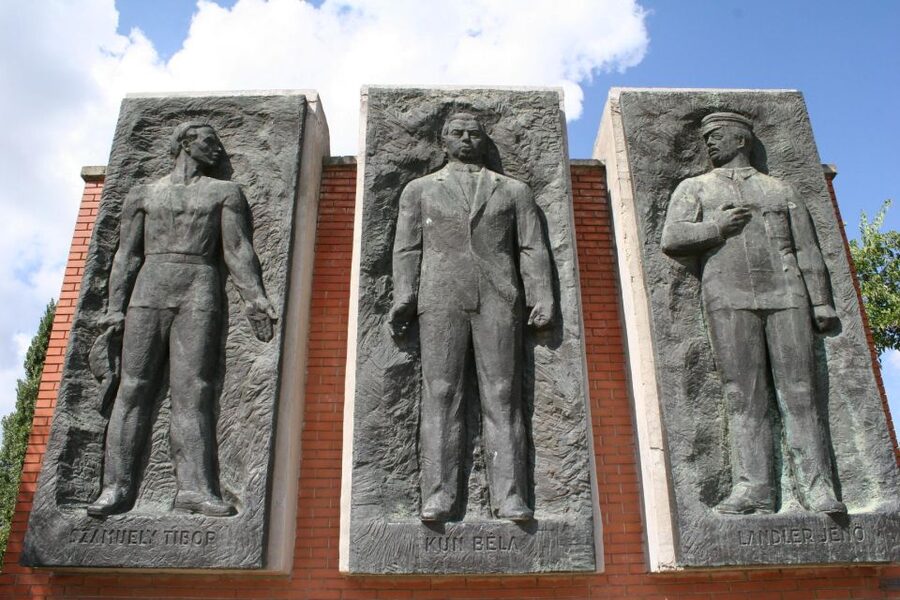
- The statues are political relics, not ordinary public art: You’ll see Lenin, Red Army soldiers, labor movement figures, and allegorical liberation monuments.
- The indoor material adds needed context: The Most Cheerful Barrack includes a photo exhibition and The Life of an Agent documentary about the former political secret service.
- The Trabant is the park’s lighthearted photo stop: You can sit inside the original East German car, once a familiar symbol of everyday life behind the Iron Curtain.
- You explore independently: Admission is included, but no guided tour or transportation is provided.
- Allow time for the setting: The ticket is valid for one day, giving you flexibility rather than forcing a fixed short visit.
Why Memento Park matters in Budapest
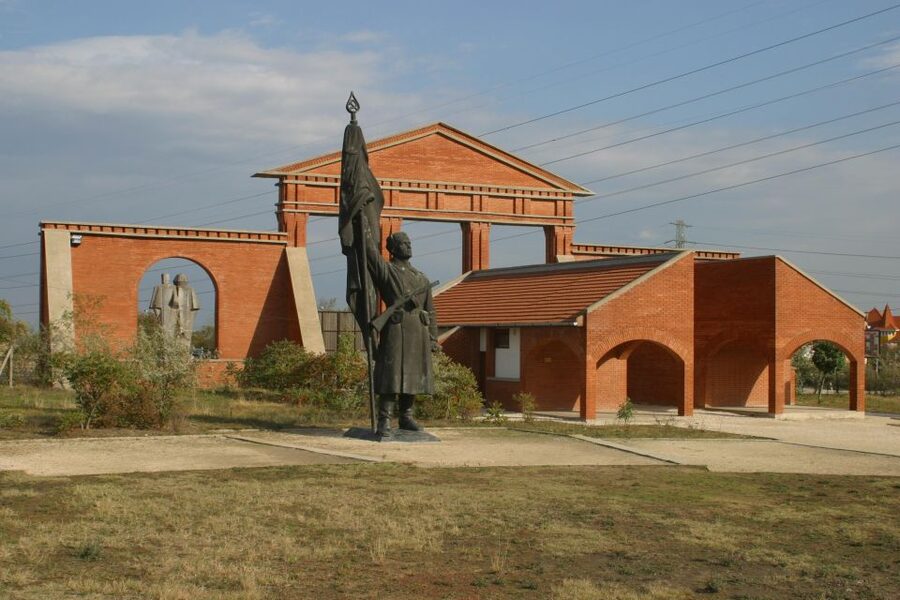
At the end of Hungary’s communist era, statues were removed from Budapest’s streets and moved to Memento Park. That decision gives the site its unusual character. The monuments are no longer surrounded by government buildings, parade routes, and official ceremonies. Here, they are grouped together so you can look at them with historical distance.
The park does not try to make the period pretty. The sculptures are large, formal, and designed to communicate power. Workers, soldiers, political leaders, and symbolic figures appear in heroic poses. Their original purpose was persuasion: the state wanted public spaces to tell citizens what to admire and what to believe.
I find the setting useful because it changes how you read each statue. A figure that may once have seemed imposing can look theatrical when placed beside dozens of other political monuments. The park lets you consider both the artistic effort and the propaganda behind it.
This is not a traditional sightseeing stop with a long list of famous buildings. It is a place for understanding modern Hungarian history through objects that once stood in everyday public view. If you want only postcard views of Budapest, this may not be your best use of time. If you want to understand the city’s 20th-century past, it offers something few central attractions can.
Other tickets worth booking ahead in Budapest:
- Budapest: Széchenyi Spa Day Ticket with Optional Upgrades
★ 4.3 · 23,911 reviews - Budapest: Parliament Building Entry Ticket and Audio Guide
★ 4.5 · 3,844 reviews - Budapest: Full-Day Gellért Spa Ticket
★ 4.2 · 3,340 reviews
Entering beneath Stalin’s Grandstand
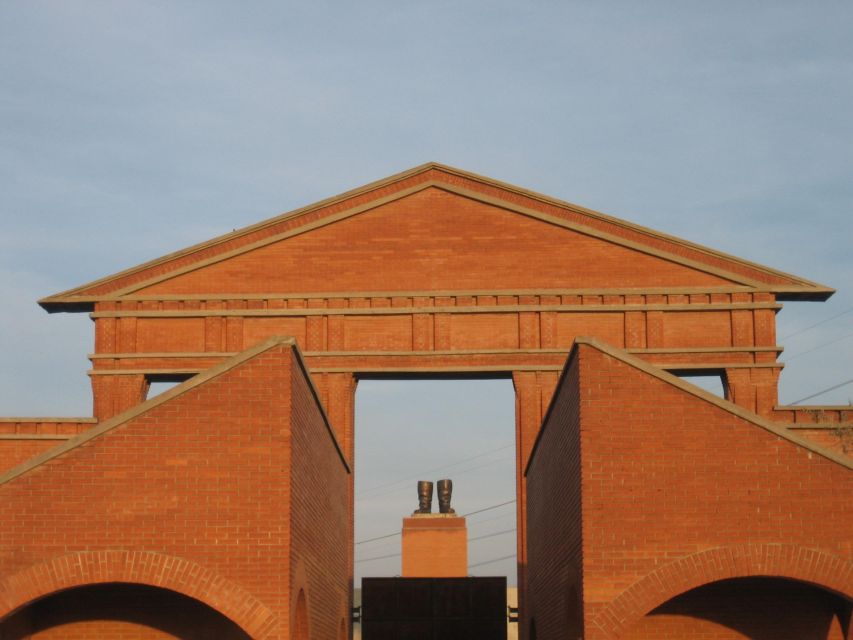
Your arrival begins with Stalin’s Grandstand, a replica of the structure that once stood in the former Parade square. Socialist holidays were celebrated there under the eyes of party and state leaders. The grandstand gives you an immediate sense of the public theater that supported the system.
Look at it as more than an old platform. It represents the relationship between political power and spectacle. Parades, speeches, flags, uniforms, and statues all worked together to create a carefully staged image of unity.
The grandstand also helps you get your bearings. From there, you can move into the statue area and the other exhibits. The setting is open and the paths are covered with gravel, so wear shoes that you can walk in comfortably. The gravel is also the main accessibility concern, and the park is not suitable for wheelchair users according to the supplied information.
Do not expect a polished museum floor plan or a guided route. The experience is self-directed. That suits the subject, since you can pause beside the monuments that interest you rather than follow a tightly timed group.
Reading the giant socialist monuments
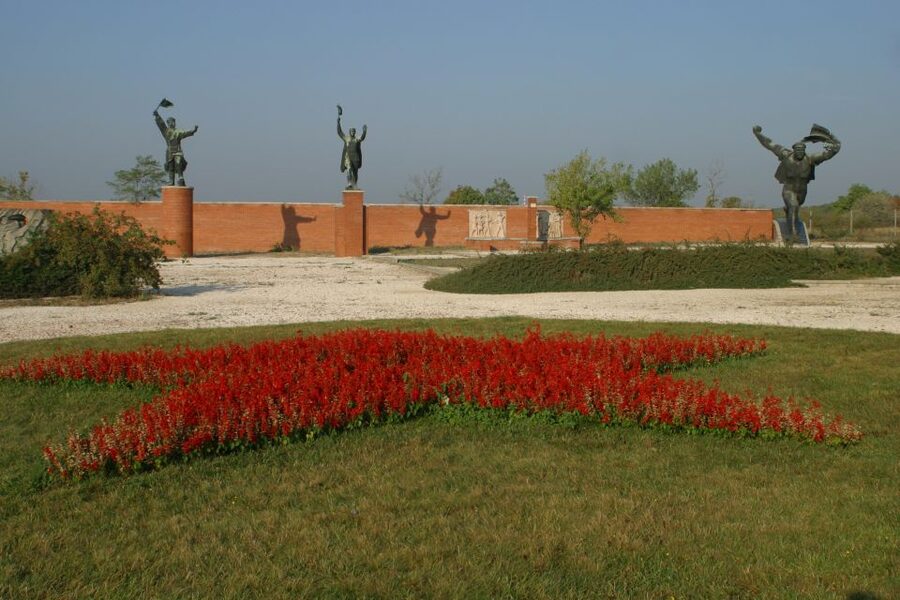
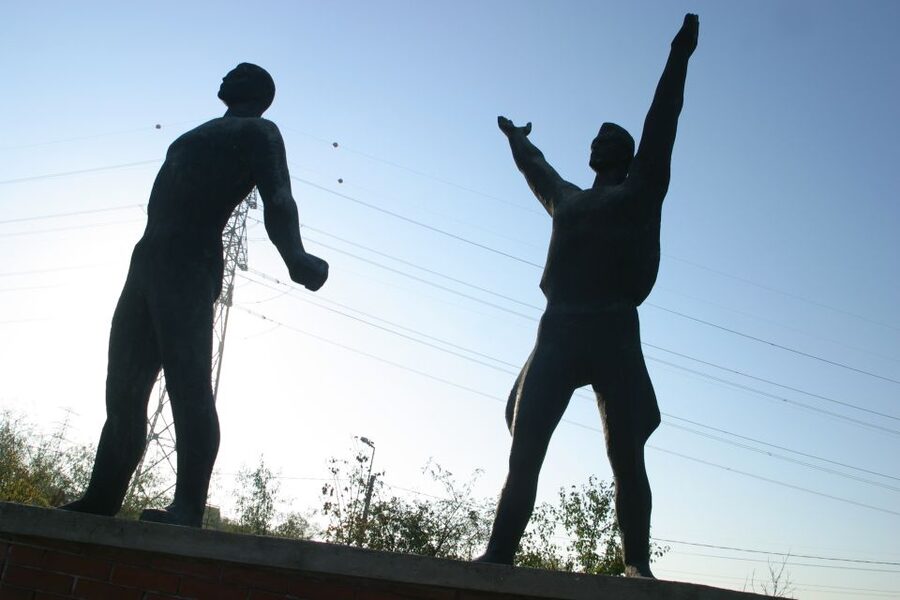
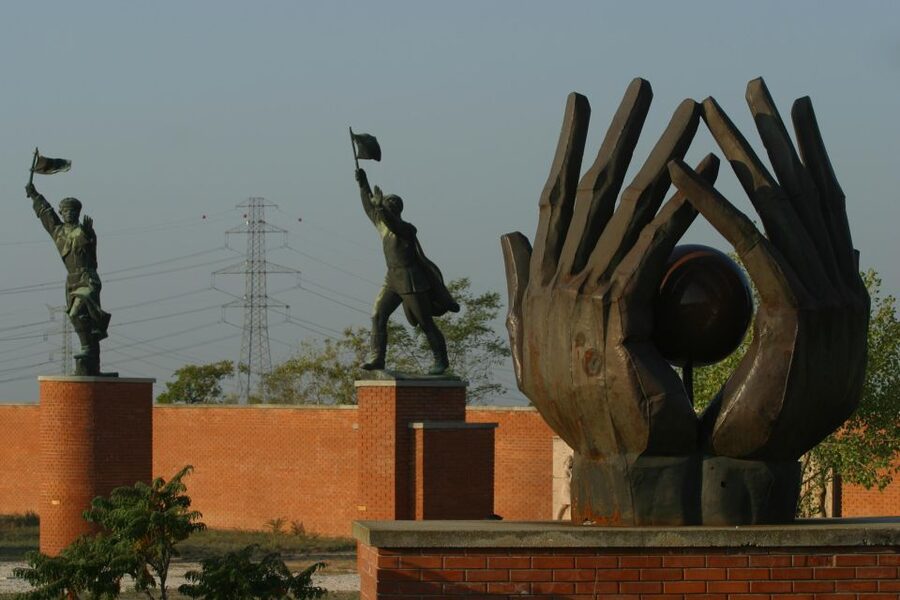
The main outdoor area contains some of Hungary’s most recognizable socialist propaganda monuments. You can see allegorical liberation statues, figures linked to the labor movement, and soldiers of the Soviet Red Army. Lenin is among the figures available for photographs, and the soldiers also make popular photo subjects.
The scale is part of the point. These are not small plaques or quiet memorials. They were built to dominate public space. Even without a guide, their size and poses tell you how the government wanted history and political loyalty to be presented.
I recommend looking twice. First, take in the broad effect: the stone, the uniforms, the raised arms, and the repeated heroic gestures. Then inspect the details of individual statues. Ask yourself who is being honored, who is represented as a protector, and what kind of citizen the monument seems to praise.
The park also gives you permission to react with some humor. Posing with Lenin or a Red Army soldier may feel strange at first, but the site does not treat every moment as solemn. The contrast between serious political messaging and modern selfie culture is part of the experience. Just remember that the park’s humor works best when you also take the historical material seriously.
The Most Cheerful Barrack and the secret service
The indoor material helps keep the visit from becoming a simple collection of oversized statues. At The Most Cheerful Barrack, admission includes a photo exhibition and a screening of The Life of an Agent, a documentary about the former political secret service.
This section is especially useful if you know little about how the communist state affected ordinary life. The outdoor statues show the public face of the system. The documentary and photographs point toward the less visible side: surveillance, control, and the work of the secret service.
The title The Most Cheerful Barrack has a dry, uneasy humor. It suggests the contradiction between the official image of a happy socialist society and the reality of a political system that relied on discipline and secrecy. I would make time for this exhibit rather than rushing straight to the photo opportunities.
Because no guide is included, the documentary becomes an important source of explanation. A guide could connect the material to a broader walking tour of Budapest, but the film gives you historical context without requiring a separate booking. If you prefer to explore at your own pace, that is a real benefit.
A completely different kind of day out:
- Budapest: City Highlights Cruise with Welcome Drink
★ 4.6 · 35,610 reviews - Budapest: Unlimited Prosecco, Beer and Aperol Spritz Cruise
★ 4.8 · 25,310 reviews - Budapest: Nighttime or Daytime Sightseeing Cruise
★ 4.2 · 21,062 reviews - Budapest: 1-Hour Evening Sightseeing Cruise with Drink
★ 4.5 · 8,330 reviews
Stalin’s Boots and the extra exhibits
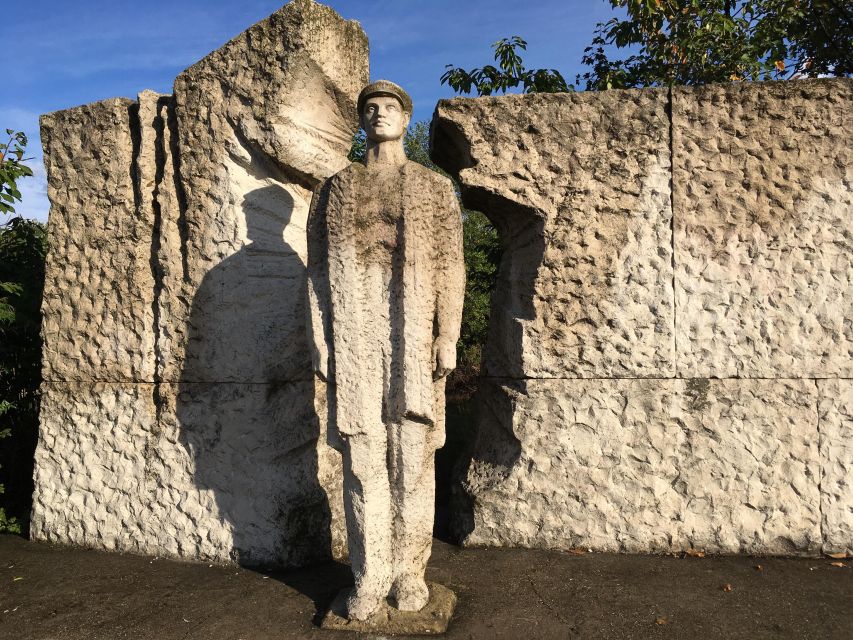
The area beneath Stalin’s Boots includes a storage showroom and an art exhibition. These displays broaden the visit beyond the best-known statues. They help show how political imagery was stored, presented, and remembered after the original public monuments were removed.
Stalin’s Boots carry a particularly strong visual message. The boots recall the remaining lower section of a Stalin statue after the statue itself was toppled. Even without adding details not provided here, the name and setting point to the gap between an enormous political image and what remains when public support collapses.
I like this part because it makes the park feel less like a single photo stop. The storage display suggests that these objects are preserved as historical evidence, not simply celebrated or destroyed. The art exhibition gives you another way to think about the visual language of the period.
Take your time here if you are interested in monuments, political art, or museum work. If you are visiting with children or with someone who prefers quick sightseeing, the outdoor statues and Trabant may hold more attention. You can still keep the visit worthwhile by choosing the documentary or photo exhibition as your main indoor stop.
The Trabant, a playful piece of everyday history
The original Trabant car is one of the most accessible parts of the park. You can sit inside it and take photographs. Compared with the giant stone monuments, the car is small, ordinary, and familiar-looking. That contrast matters.
The statues show the official world of party leaders, soldiers, workers, and national myths. The Trabant points toward daily life. It was one of the most popular cars in the former Eastern Bloc and has become a recognizable symbol of the era.
For many visitors, this will be the easiest way to connect with the period. You do not need to understand every political reference to recognize a compact car as something people used, waited for, and associated with life under socialism. The photo stop also gives the visit a lighter moment after the more serious material.
I would not build your entire visit around the car. It is a fun extra, not the reason to come. The park works best when you use the Trabant as a pause between the historical sections.
Is the $10 admission good value?
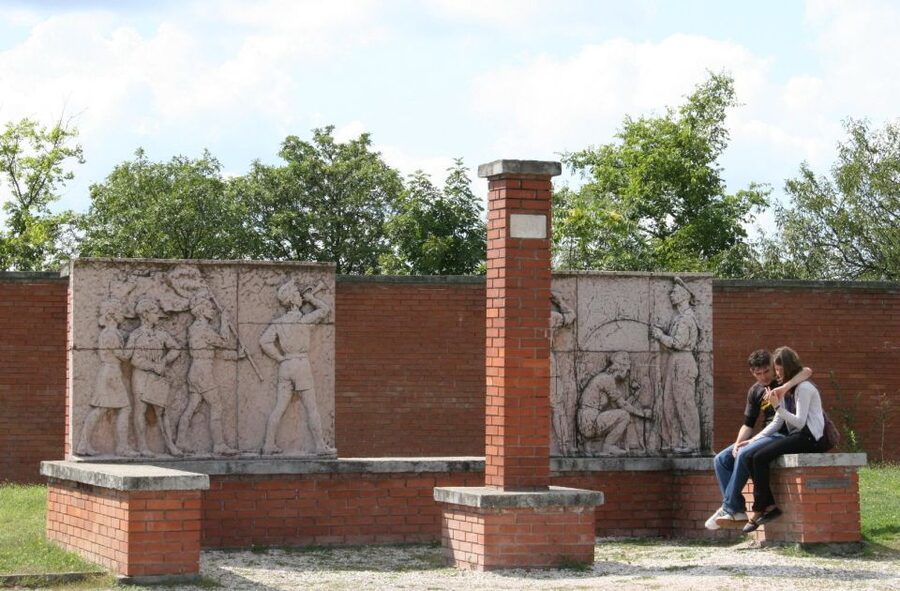
At $10 per person, the ticket is reasonably priced for a full-day admission that includes several parts of the site. You receive entry to the outdoor statue park, the photo exhibition and film at The Most Cheerful Barrack, the storage showroom and art exhibition under Stalin’s Boots, and access to the original Trabant.
The value depends on your interests. If you enjoy modern history, political art, or unusual museums, the price is easy to justify. You are not paying only to see a few statues. You are paying for a collection that combines public monuments, documentary material, photographs, displays, and a hands-on car exhibit.
The value is weaker if you are trying to fit in a very short stop and will only take a few pictures at the entrance. Transportation is not included, and the park is outside the center, so your actual cost and time will be higher than the admission price alone.
The ticket is valid for one day, and you can reserve now and pay later. Free cancellation is available up to 24 hours in advance for a full refund. Those terms help if your Budapest schedule is still changing, though the main decision is still whether the subject appeals to you.
Getting there and planning the visit
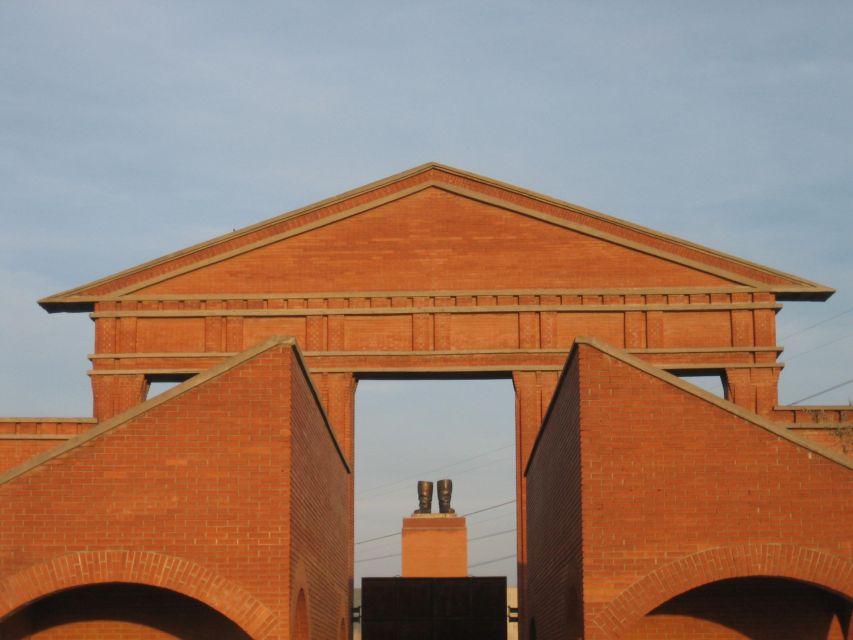
The meeting point is the Memento Park entrance at the corner of Balatoni út and Szabadkai utca, 1223 Budapest. Transportation is not included, so you need to plan your route separately.
One practical warning comes from the local transport information available for this experience. Buses 101E and 150 did not stop near Memento Park during roadworks, and current instructions were not always clear. Check the latest route information before setting out, especially if roads are closed or public transport is being diverted.
Give yourself enough time for the journey and the park itself. The ticket is valid for one day, not a fixed guided session, so you have room to fit the visit around other Budapest plans. Since there is no guided tour, you can move quickly through the statues or spend longer with the documentary and exhibitions.
A café for lunch and drinks would make the visit easier, but one is not included in the supplied information. Plan accordingly rather than assuming you can buy a full meal on site.
Who will enjoy Memento Park most?
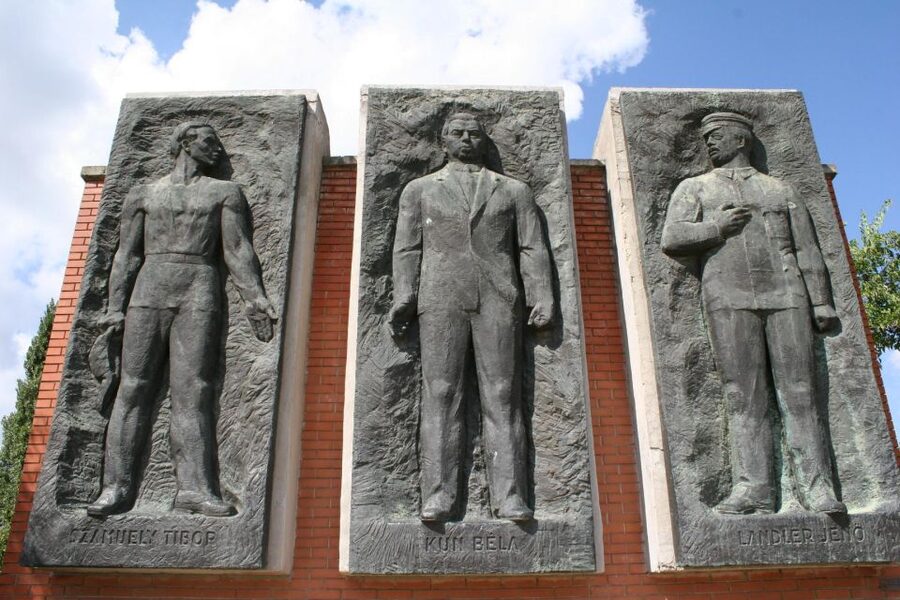
I recommend this experience to you if you like museums that explain a place through unusual objects. It suits anyone interested in communism, the Cold War, Hungarian history, public art, photography, or the way governments use monuments.
It can also work well for families with older children who enjoy large statues and hands-on photo stops. The Trabant gives younger visitors something concrete to explore, while the documentary and photographs add meaning for adults.
I would be more cautious if you have limited time in Budapest and have not yet seen the city’s central landmarks. Memento Park is outside the center, and the trip takes planning. It is also not suited to wheelchair users because of the gravel paths.
The lack of a guide is another consideration. If you want every monument explained as you walk, this ticket will feel incomplete. If you like stopping, reading, watching a film, and forming your own impressions, the independent format works well.
Should you book this experience?
Book Memento Park if you want a clear, unusual look at Hungary’s communist past rather than another standard city attraction. The combination of huge propaganda statues, Stalin’s Grandstand, secret-service material, the Stalin’s Boots exhibits, and the Trabant gives the visit more range than its simple outdoor setting suggests.
Skip it if your Budapest schedule is packed, you dislike political history, or reaching an outlying site would cause more stress than interest. For everyone else, $10 is fair value, especially if you take time with the indoor exhibits instead of treating the park as a quick photo stop. Check transportation before you leave, wear practical shoes, and let the strange mix of seriousness and humor do its work.
FAQ
Where is Memento Park located?
The entrance is at Balatoni út and Szabadkai utca, 1223 Budapest, Hungary.
Is transportation included with the ticket?
No. Transportation is not included, so you must arrange your own way to the park.
Is a guided tour included?
No. The ticket provides admission, but a guided tour is not included.
What does admission include?
Admission includes the outdoor park, the photo exhibition and movie screening at The Most Cheerful Barrack, the storage showroom and art exhibition under Stalin’s Boots, and access to an original Trabant car for photographs.
Is Memento Park suitable for wheelchair users?
The park paths are covered with gravel, and the experience is listed as not suitable for wheelchair users.
Can I cancel the booking?
Yes. You can cancel up to 24 hours in advance for a full refund. You can also reserve now and pay later, subject to the booking terms.
Just added around Budapest
- Walk to recent and aged spiritual sanctuaries near Budapest★ 5.0 · 5 reviews
- Budapest: Private Walking Tour with a Local Guide★ 3.6 · 6 reviews
- Budapest: City Bike Tour with Coffee Stop★ 5.0 · 37 reviews
- Budapest: Danube River Views Bike Ride★ 4.8 · 23 reviews
- From Budapest: Guided Tour of Eger with Wine Tasting★ 4.5 · 6 reviews
- Trash Art Museum: Hungary’s First Scrap Metal Exhibition★ 4.3 · 72 reviews
- True Crime Walking Tour in the Buda Castle district★ 5.0 · 26 reviews
- Budapest: 3-Hour Trabant Sightseeing Tour★ 4.7 · 28 reviews
Tours in Budapest, compared.

Unlimited Prosecco, Beer and Aperol Spritz Cruise
Read our review →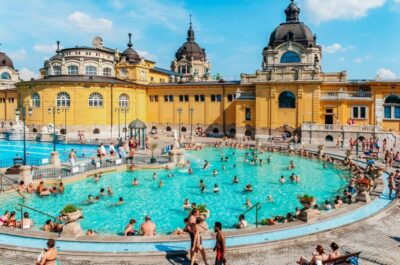
Széchenyi Spa Day Ticket with Optional Upgrades
Read our review →


Budapest Danube Cruise and Dinner Options, Live Music and Dance
Read our review →