
Reviewed · DESSERT TOURS
Budapest Street Food Tour with Snacks, Dessert & Beer
Budapest’s street-food story is best understood one bite at a time. This 2.5-hour walk takes you to local food stops for lángos, paprika sausage, strudel, and beer, with a guide explaining how Hungarian food reflects the city’s mix of cultures and long, complicated past.
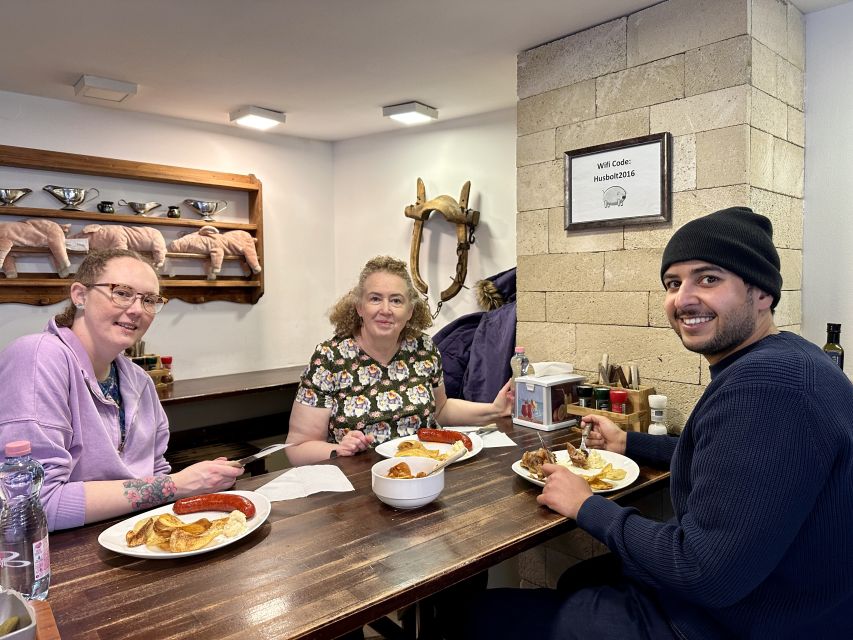
I like the focus on small, familiar food haunts rather than a formal restaurant meal. I also like the guide-led approach: Fannie has helped private groups handle public transport, while Norbert has been praised for his relaxed manner and willingness to answer questions along the way.
The main caution is portion size and consistency. One afternoon group found the food too plentiful, while another booking reported only four poor-quality dishes and no drink. The tour is designed around beer and several tastings, but your exact experience may depend on the guide, timing, and stops that day.
Key points to know before booking
- Four food stops can cover a lot: Expect several generous tastings rather than tiny samples.
- Lángos and beer are central: This is a good introduction to Hungary’s famous fried dough snack.
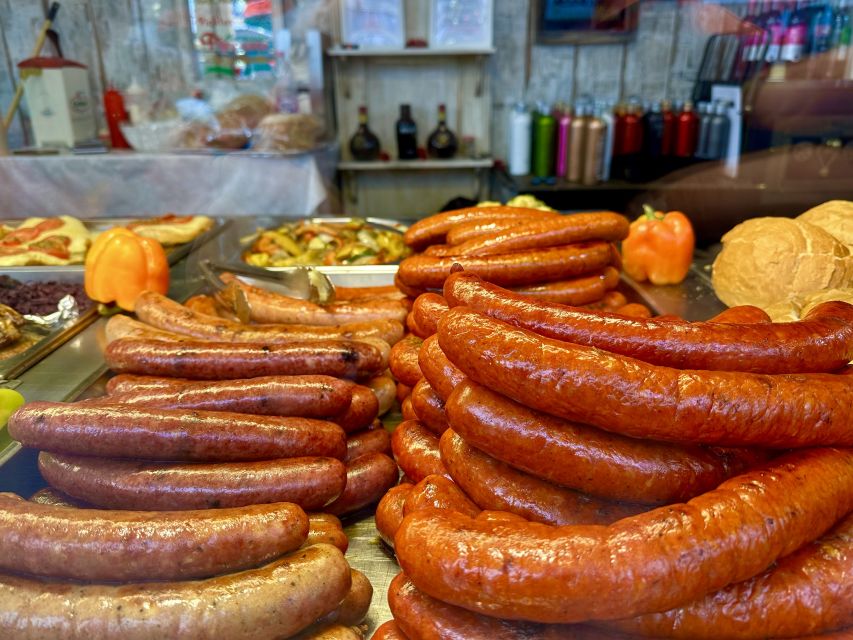
- Sausage and strudel bring local character: Paprika sausage and Granny’s strudel are among the most praised foods.
- The guide adds city context: Food, culture, communism, and Budapest’s mixed traditions all enter the conversation.
- Private groups offer more control: A private booking can include hotel pickup and a more flexible route.
- Plan your appetite carefully: A 2:00 p.m. start may leave you eating a full meal during the tour.
Budapest food beyond the restaurant table
Budapest is easy to admire from a café terrace, but street food gives you a closer look at daily life. Here, food carries traces of Hungary’s rural traditions, neighboring regions, Jewish influence, Austro-Hungarian habits, and the city’s changing political story.
That is the appeal of this walk. You are not just handed a plate and told its name. You move through some of Budapest’s liveliest central areas, stopping at places selected for their local appeal. Along the way, the guide connects what you eat with the city around you.
The route also aims to make Eastern European food feel approachable. If paprika, unfamiliar pastries, or fried dough are outside your usual menu, a good guide can tell you what to try and how to eat it. That practical help matters more than a long lecture.
The tour lasts 2.5 hours, so it fits neatly into a morning or afternoon in Budapest. It is long enough for several stops and a bit of conversation, but short enough to leave room for dinner, sightseeing, or an evening cruise.
More eating your way around Budapest:
- Budapest: Guided Foodie Walking Tour with Food and Drinks
★ 4.9 · 453 reviews - Budapest Food Tour: Market to Tavern with 14+ Tasters & Wines
★ 5.0 · 434 reviews - Budapest Culinary & Wine Walk
★ 5.0 · 397 reviews
Stop one: Hungarian lángos and a cold beer
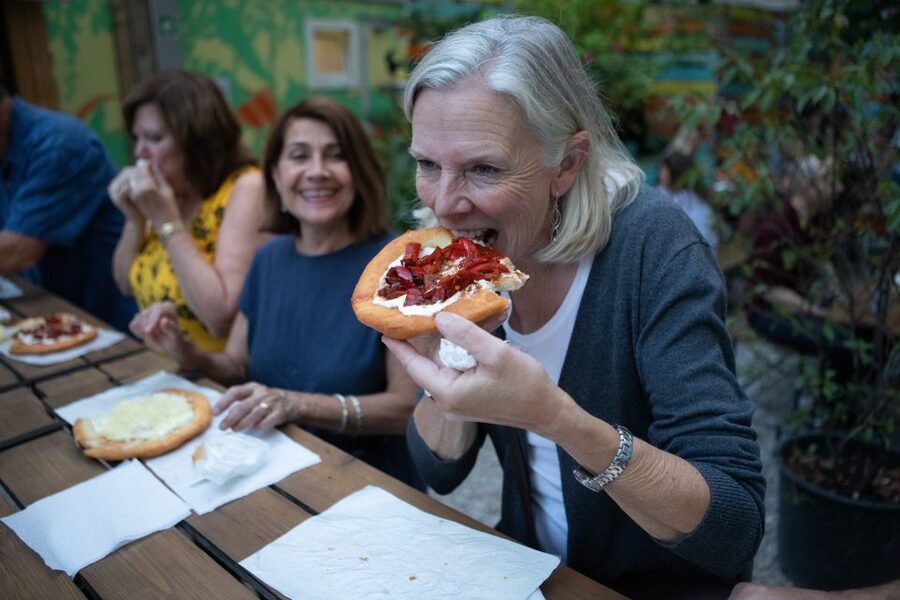
Lángos is one of Hungary’s best-known casual foods: fried dough, usually served warm and topped or filled in different ways. On this tour, it is paired with beer, making the opening food stop feel like a proper Budapest snack rather than a quick nibble.
I would treat this as one of the most important stops. Lángos is simple, filling, and closely tied to the country’s everyday food culture. It is also the kind of dish that can be hard to judge from a menu description. A local guide can show you the preferred version and explain what makes it Hungarian.
The portion may be larger than you expect. Fried dough plus later sausage, strudel, and dessert adds up quickly. If you are joining in the afternoon, eat a light breakfast or lunch. One group specifically wished the portions had been smaller, and that is useful advice for anyone who dislikes food waste or prefers a tasting tour built from very small samples.
The beer element is part of the tour’s appeal, though you should confirm the serving details when booking if a drink is especially important to you. One poor experience reported no beer or wine at all, despite the tour’s food-and-beer focus. That appears to be an exception, but it is a fair reason to clarify what is included.
Stop two: paprika sausage with a Hungarian accent
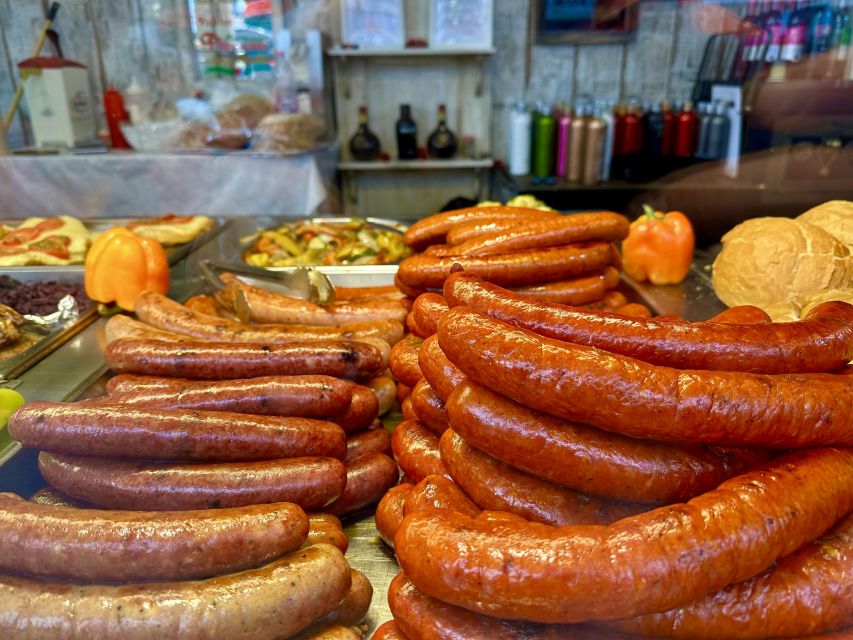
Paprika is one of the flavors most people associate with Hungarian cooking, and the sausage stop puts it to practical use. Expect a savory tasting that helps explain why Hungarian food can be bold without relying on complicated presentation.
The sausage has been one of the most consistently praised parts of the experience. It is also a useful stop for people who want something more substantial than pastry. You get a clearer sense of how paprika works in everyday food, not just in a tourist-style bowl of goulash.
The guide’s role matters here. A food tasting can easily become a string of dishes with little context. This tour is intended to explain local customs, cultural differences, and the parts of Budapest you are walking through. The strongest guide experiences have included historical information along with the food.
Fannie, in particular, has led private groups through food, culture, and major events in Budapest. She has also helped a guest with mobility difficulties use trams and the subway. That does not mean every departure includes public transport, but it shows the benefit of having a guide who can adjust when a private group requests it.
Stop three: Granny’s strudel and the sweet side of Budapest
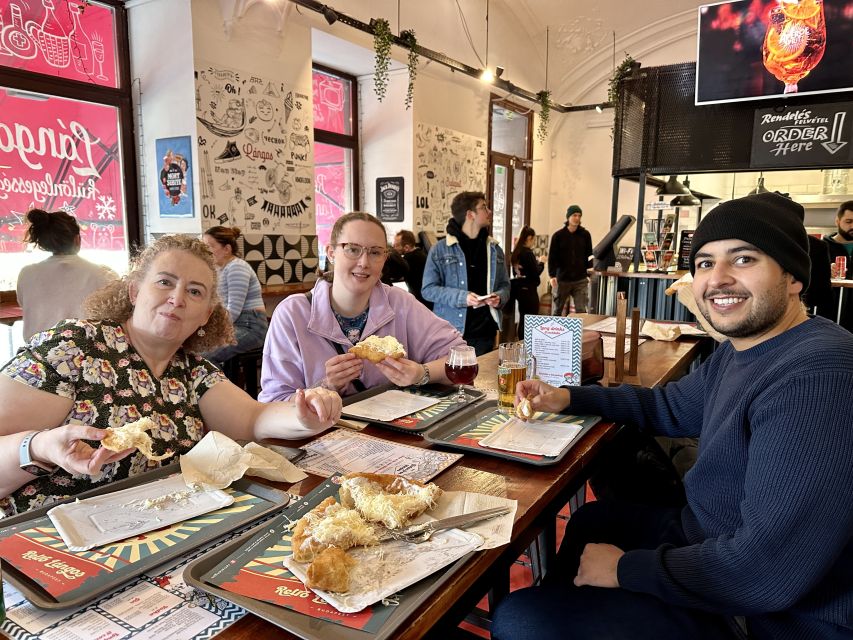
Granny’s strudel is the point where the tour shifts from savory food to pastry. Strudel is associated with the wider Central European region, so it makes a useful reminder that Hungarian cuisine did not develop in isolation.
This stop has earned strong praise for both the food and the choice of venue. It is the kind of tasting that works well for curious eaters because it feels familiar enough to enjoy, while still connecting to the region’s shared food traditions.
Do not expect a delicate, single-bite pastry course. The overall meal can be generous, especially when you combine the strudel with lángos and sausage. If you want to sample everything without feeling overfull, share portions when possible, and tell the guide early that you prefer smaller tastes.
The sweet course also gives the guide a chance to explain how Hungarian food overlaps with neighboring traditions. That wider view is one of the better reasons to choose a guided food walk instead of simply ordering dishes at random.
Other sweet stops around Budapest:
- Budapest: Hungarian Chimney Cake Workshop in the City Center
★ 4.8 · 885 reviews - Chimney Cake Workshop Budapest Downtown – Kürtőskalács Class
★ 5.0 · 220 reviews - Budapest: Summer Brunch & Cruise with Prosecco or Cake
★ 4.2 · 193 reviews - Budapest Street Food Tour with Local Snacks, Dessert and Beer
★ 5.0 · 121 reviews
The final treat: a Transylvanian dessert
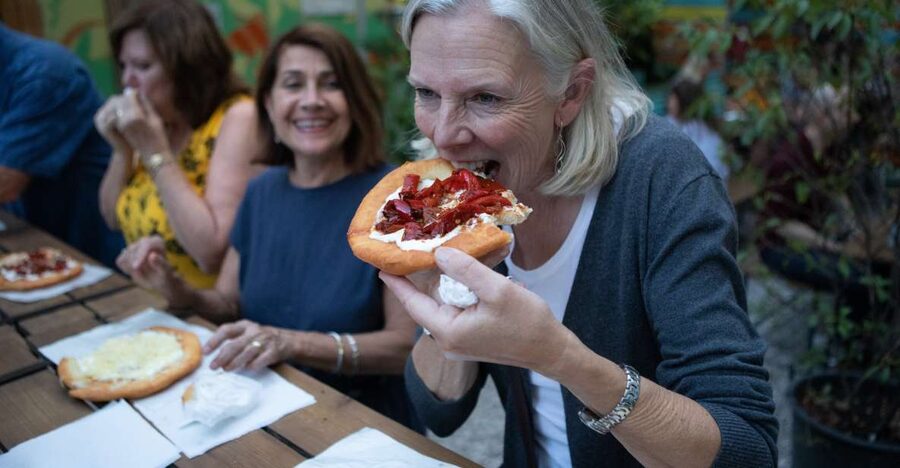
The tour finishes with a dessert described as a Transylvanian treat. This gives the walk a wider regional reach, showing that Hungarian food culture extends beyond Budapest and present-day national borders.
It is a smart final stop because it leaves you with something less obvious than another standard pastry. The point is not only to identify a dessert, but to place it within the food traditions of Eastern and Central Europe.
The exact dessert is not specified, so do not book this expecting one particular named dish. Think of it as a final regional surprise chosen as part of the tasting route. If you have allergies or strong dietary limits, ask ahead about the ingredients and available substitutions.
By this stage, you may already feel full. That is the chief practical issue with the itinerary. The tour promises several stops, not a few tiny museum-style samples. It works best when you arrive hungry but not starving and avoid planning a large meal immediately afterward.
Four stops, but the guide shapes the experience
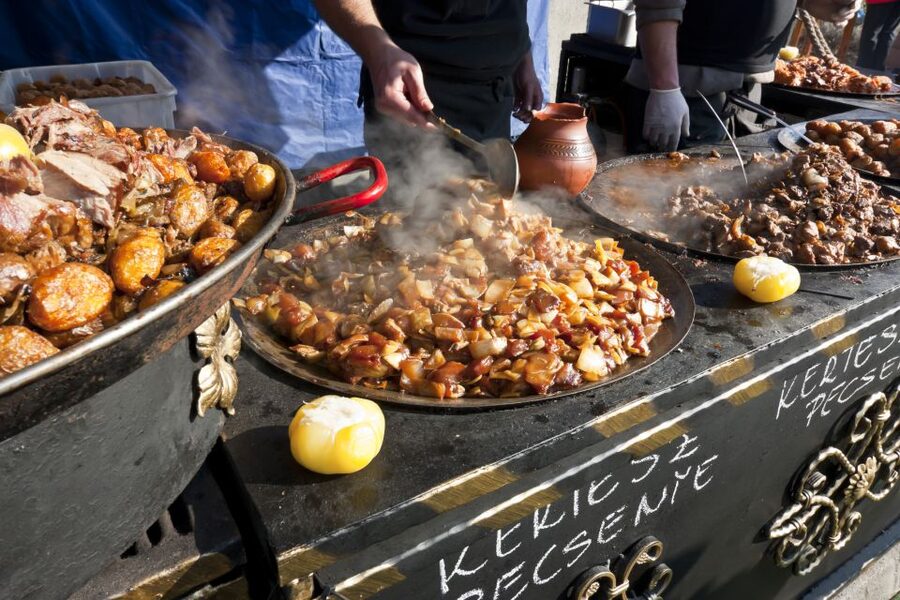
The food is important, but the guide can determine whether the walk feels like a connected experience or just four unrelated meals. The best version includes explanations about ingredients, local customs, cultural diversity, and Budapest’s past.
Several guides have received praise for their manner. Fannie has been described as personable and well informed, with the ability to move between food, history, and practical city advice. Norbert has been noted for a calm approach and for answering unexpected questions during the walk.
Those details matter because food tours are social by nature. You may be walking and eating with people who have different interests and appetites. A patient guide can keep the group moving while still allowing time for questions.
The tour is offered in English. A private group is available if you want a more personal outing or need a route adjusted around your party. Private booking also includes hotel pickup and a flexible, personalized itinerary, according to the option selected.
Walking, mobility, and the Budapest setting
This is a walking tour through central Budapest, so comfortable shoes make sense. The route takes place in lively parts of the city rather than inside one food hall or restaurant.
The activity is listed as wheelchair accessible. For a private group, it is worth explaining your mobility needs before the day begins. One private party included a person with mobility difficulties, and the guide helped them use trams and the subway when requested. That is a useful sign that the route can sometimes be adapted, though exact access depends on the stops and transport used.
You should also be ready for the ordinary rhythm of a city walk: streets, food counters, conversation, and changes in pace. This is not a seated tasting menu. The appeal comes from seeing Budapest between bites.
The historical side is another reason to choose this tour early in your stay. The guide can help you understand the areas you pass through and may suggest other places to eat afterward. The tour includes further recommendations, which can be useful when you want to continue exploring local food on your own.
Is $135 a fair price?
At $135 per person, this is not a cheap way to grab street food. You are paying for several tastings, a guide, cultural and historical explanation, route planning, and the convenience of having local choices made for you.
The value depends on how you use it. If you would otherwise spend money sampling dishes without knowing what to order, the guide can save you guesswork and help you avoid tourist-oriented choices. The tour also combines food with an introduction to central Budapest, so you are buying more than the ingredients on the plate.
It is less compelling for a visitor who only wants a quick lángos and beer. You can find casual food on your own for far less. The price makes more sense for a first-time visitor who wants a structured introduction, a private group, or a guide who can answer questions about food and the city.
Private booking can be especially worthwhile for a family or small group with specific needs. Hotel pickup and a flexible route add convenience, and the experience can be adjusted around mobility concerns or personal interests. For a solo visitor or budget-minded couple, the cost deserves closer thought.
Timing, group style, and what to eat beforehand
The 2.5-hour length is manageable, but the food can be substantial. I would avoid a full meal before the tour. A light breakfast is sensible for a morning start, while a small lunch works better if your start time is around 2:00 p.m.
Because the tour includes several savory and sweet foods, it is not ideal for someone who prefers a light grazing experience. You can ask about portion sizes at the start, but the food offered may still be more than a single bite at each stop.
The experience is available for private groups, and that option gives you more control over pace and requests. A private group may also suit you if someone in your party needs help with transport or wants to ask many questions without slowing down a larger group.
The public tour is better for meeting people and keeping the cost tied to a set itinerary. The private version is better when flexibility matters more than price.
Who should book this Budapest food walk?
I would recommend it to a first-time visitor who wants a quick introduction to Hungarian flavors without spending an entire day on a formal cooking class. It suits curious eaters who enjoy learning why a dish matters, not just checking off a list of foods.
It is also a good match for visitors who feel unsure about Eastern European menus. The guide can explain what to order and how to approach unfamiliar dishes, which takes the pressure off.
Families and private groups may appreciate the flexible format, especially when mobility or transport needs are part of the plan. Food-focused couples can also use it as an early trip orientation, then return to the areas and foods they liked best.
I would hesitate if you are vegan, have serious allergies, dislike fried food, or want a carefully controlled tasting menu. The available information does not promise dietary substitutions, and several main items are rich, filling, or pastry-based. Ask before booking rather than hoping the route can be changed on the spot.
Should you book it?
Book this tour if you want a guided introduction to Budapest through four substantial food stops, with lángos, paprika sausage, strudel, beer, and a regional dessert in the mix. The strongest parts are the food choices, the friendly guide style, and the added context about Budapest’s culture and past.
Think twice if you want tiny portions, a low-cost snack crawl, or certainty about every drink and dish. At $135, the experience needs a good guide and a properly delivered route to feel worthwhile. If you choose the private option, share your appetite, mobility needs, and food restrictions in advance. That is the best way to get the flexible, personal experience this tour can provide.
FAQ
How long does the Budapest street food tour last?
The tour lasts 2.5 hours.
What foods are included?
The tour highlights Hungarian lángos, paprika sausage, Granny’s strudel, and a Transylvanian dessert. It also includes beer as part of the advertised food experience.
Is beer included?
Beer is highlighted with the lángos tasting. Since one past booking reported receiving no drink, confirm the exact drink inclusions when you reserve.
What language is the tour offered in?
The live tour guide speaks English.
Is the tour wheelchair accessible?
Yes, the activity is listed as wheelchair accessible. Private groups can also discuss mobility needs with the guide, and one private group received help using trams and the subway.
Can I book a private group?
Yes. A private group option is available. The private option can include hotel pickup and a flexible, personalized itinerary.
Can I cancel for a full refund?
Yes. You can cancel up to 24 hours in advance for a full refund. Reserve now and pay later is also available.
Just added around Budapest
- Walk to recent and aged spiritual sanctuaries near Budapest★ 5.0 · 5 reviews
- Budapest: Private Walking Tour with a Local Guide★ 3.6 · 6 reviews
- Budapest: City Bike Tour with Coffee Stop★ 5.0 · 37 reviews
- Budapest: Danube River Views Bike Ride★ 4.8 · 23 reviews
- From Budapest: Guided Tour of Eger with Wine Tasting★ 4.5 · 6 reviews
- Trash Art Museum: Hungary’s First Scrap Metal Exhibition★ 4.3 · 72 reviews
- True Crime Walking Tour in the Buda Castle district★ 5.0 · 26 reviews
- Budapest: 3-Hour Trabant Sightseeing Tour★ 4.7 · 28 reviews
Dessert Tours, compared.
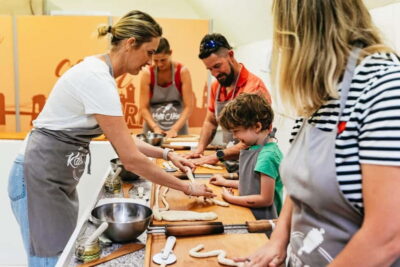
Hungarian Chimney Cake Workshop in the City Center
Read our review →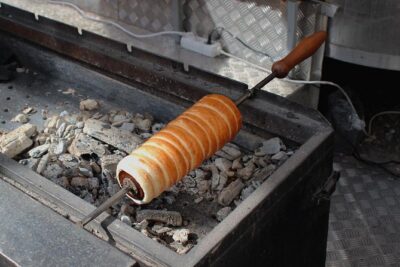
Budapest Street Food Tour with Local Snacks, Dessert and Beer
Read our review →
Private Buda Castle Walking Tour with Cake and Matthias Church
Read our review →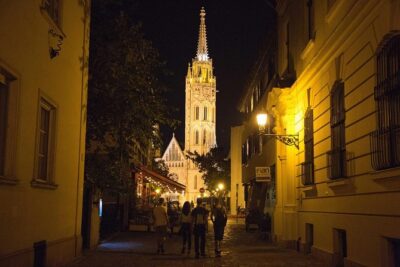
Castle District tour with Matthias Church Ticket & Cake & Coffee
Read our review →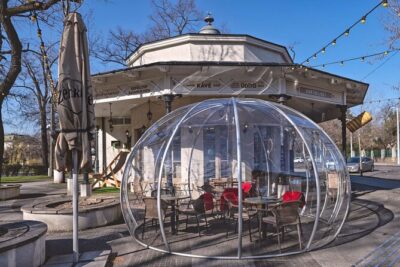
Kürtőskalács: Chimney Cake Workshop in City Park Budapest
Read our review →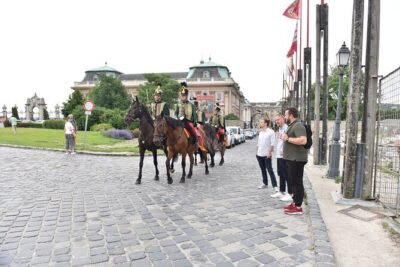
Buda Castle Walking Tour with Matthias church entry, Cake&Coffee
Read our review →
Budapest Christmas Market Tour with Basilica visit & Chimney cake
Read our review →
Budapest Wonderland – A Christmas Market Tour with Chimney Cake & Mulled Wine
Read our review →Browse the lists this tour appears in