Reviewed · TOURS IN BUDAPEST
Guided Tour with Admission in Memento Park
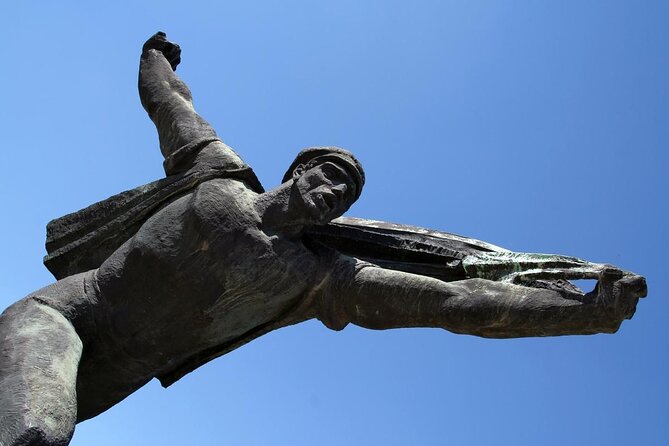
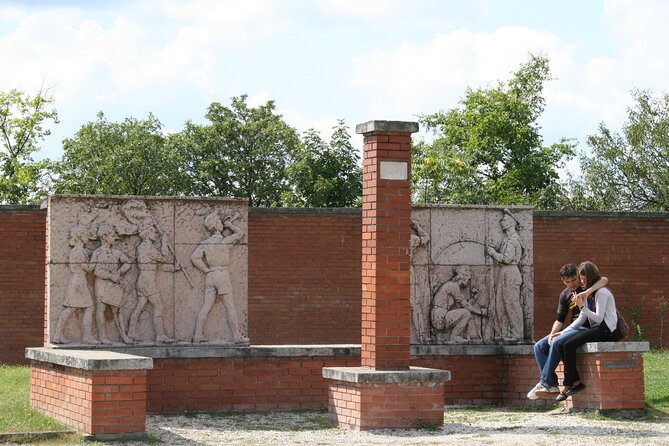
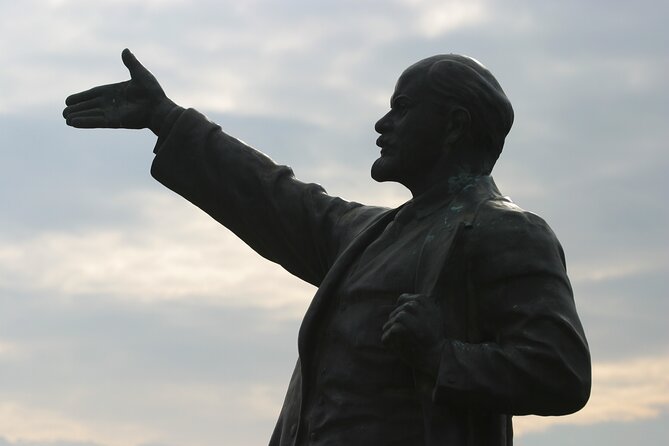
Budapest’s Memento Park is not a typical open-air museum. It gathers the giant statues removed from the city after communism fell, including stern workers, soldiers, and political figures that once towered over public squares. The guided walk helps you read what the stone and bronze cannot explain on their own.
I like two things here: the guide connects the sculptures to everyday life under Soviet rule, and the tour leaves time for the movie, photo exhibition, Stalin’s Grandstand, and the Trabant. The main consideration is location. Memento Park sits outside central Budapest, so you need to allow time to reach Balatoni út.
Key points
- The statues need interpretation: A guide explains the political symbols and artistic details that are easy to miss alone.
- Personal stories add weight: Guides such as Eszter, Esther, Louisa, and Ilodi use anecdotes about life during Soviet occupation.
- The tour lasts about 70 minutes: A further 20 minutes is available for questions, followed by free time in the park.
- Small groups help: The maximum is 15 people, making it easier to hear the guide and ask questions.
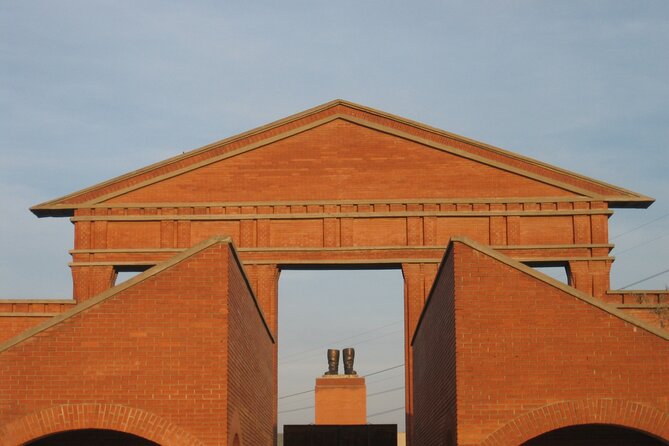
- There is more than sculpture: You can see a film, visit a photo exhibition in the barracks, inspect Stalin’s Grandstand, and photograph a Trabant.
- The practical deal is clear: Admission is included, the price is $30.04 per person, and cancellation is free up to 24 hours before the start.
Why Memento Park matters in Budapest
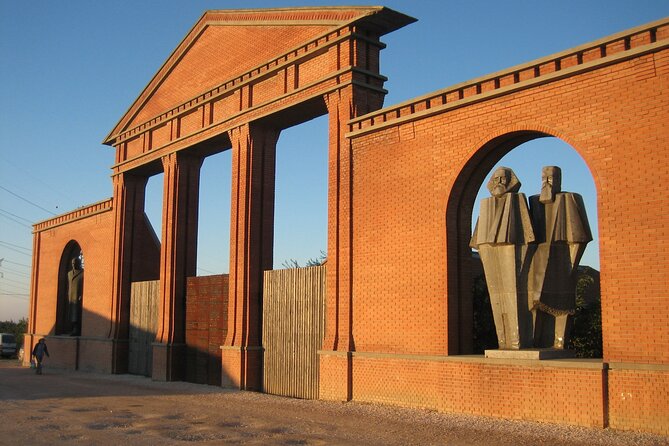
Memento Park preserves the communist monuments that once filled Budapest’s streets and squares. After the political changes of 1989 and 1990, many of these works were removed from public spaces. Instead of destroying them, the city placed them together here.
That choice gives the park its strange power. In their original settings, the statues promoted an official political message. Here, gathered behind the city center, they become objects for examination. You can look at the grand gestures, rigid poses, and heroic faces without being asked to accept the message they once carried.
I find the setting especially useful for understanding how public art can shape memory. A statue is never only a statue when the government chooses where it goes, how large it is, and what story surrounds it. The guide explains that background while you look directly at the pieces.
Without that help, you could still see impressive sculpture, but much of the meaning may remain hidden. A clenched fist, marching figure, or idealized worker can look dramatic without revealing who commissioned it or what it was meant to make people believe. The tour gives you that missing frame.
Other guided tours around Budapest:
- Budapest: Parliament Building Entry Ticket and Audio Guide
★ 4.5 · 3,844 reviews - Budapest: Opera House Guided Tour
★ 4.6 · 1,533 reviews - Budapest Small-Group Guided Tour on MonsteRoller e-Scooter
★ 5.0 · 1,517 reviews
What the 70-minute guided walk covers
The main tour takes about 70 minutes and is conducted in English. The group size can reach 15 people, which is large enough to give the tour some energy but small enough for questions to be practical.
Expect the guide to set the scene with an overview of 20th-century Hungarian history before turning to individual statues. This approach matters. You first get a basic sense of the period, then see how the political system expressed itself through monuments and public art.
The strongest part of the experience is the link between large historical events and ordinary lives. Guides including Eszter, Esther, Louisa, and Ilodi have been praised for explaining both the historical setting and the artistic qualities of the works. Personal stories about Soviet occupation make the period easier to grasp than a string of dates would.
The tour also looks at the sculptures as art. You are not asked to admire the political message, but you can still examine the scale, posture, composition, and repeated visual ideas. That mix of history and art makes the visit useful for people who might not normally choose a political museum.
Bring your questions. The guide remains available for about 20 minutes after the formal walk. That extra time is valuable because the subject can raise practical questions about daily life, public memory, and why particular monuments survived.
Reading the statues instead of just photographing them
Memento Park is easy to approach as a photo stop. The giant figures are unusual, and the setting invites pictures. But the sculptures become more interesting when you understand what they were designed to do.
Look for the way the figures present strength, unity, labor, and military power. Pay attention to the scale. Large statues do not simply decorate a square. They make the political message physically dominant. The guide helps you see how that effect worked.
You will also get help with artistic details that might otherwise pass unnoticed. One guide, Louisa, was especially praised for interpreting the sculptures in a way that made their meaning clear. That is a useful reminder that Memento Park is not just a storage area for old monuments.
The mood can be chilling. The statues were built to project certainty and control, yet their removal tells another story. Their present setting turns official confidence into something more complicated. You are looking at objects made to last, now separated from the streets where they once carried authority.
This is why I would not treat the park as a quick stop for photographs alone. Give the guide your attention first. Take your pictures afterward, when you know what you are looking at.
Stalin’s Grandstand and the park’s darker symbols
One of the distinctive features is Stalin’s Grandstand, described as a place to discover more of the park’s secrets. It recalls the way political leaders used ceremonial spaces, parades, and public display to project power.
The grandstand gives you a physical point of contact with that system. Rather than hearing only about authority in the abstract, you can examine a structure connected with public ceremony and political theater. The setting helps explain why scale and spectacle mattered so much.
The subject is serious, but the park does not present every detail in a solemn, heavy-handed way. The presence of a Trabant, the small East German car associated with life behind the Iron Curtain, adds a touch of everyday reality. It is a reminder that political history was lived through ordinary objects, transport, work, and family routines.
The Trabant is also a fine photo subject, but it works best as part of the wider story. The statues show the official image of society. The car points toward daily life. Together, they make the visit less remote.
A completely different kind of day out:
- Budapest: City Highlights Cruise with Welcome Drink
★ 4.6 · 35,610 reviews - Budapest: Unlimited Prosecco, Beer and Aperol Spritz Cruise
★ 4.8 · 25,310 reviews - Budapest: Széchenyi Spa Day Ticket with Optional Upgrades
★ 4.3 · 23,911 reviews - Budapest: Nighttime or Daytime Sightseeing Cruise
★ 4.2 · 21,062 reviews
The barracks film and photo exhibition
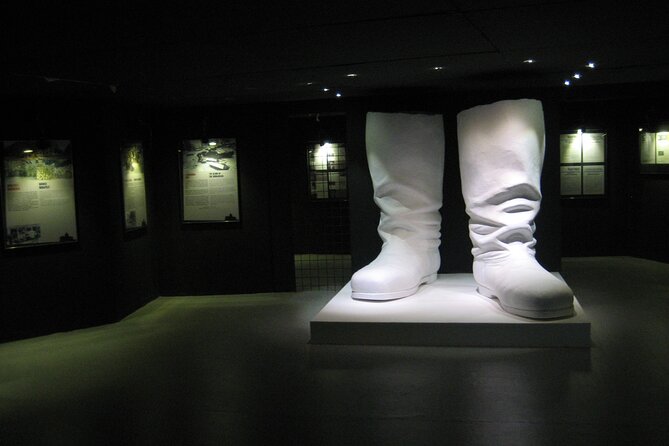
After the guided portion, you can spend time with the movie show and the photo exhibition in the Barrack. These additions help move the visit beyond monumental sculpture.
The statues show what the state wanted people to see in public. Film and photographs can add a different kind of evidence, giving you a closer sense of the period and its visual culture. The material is worth saving time for, especially if you want more than a guided walk outdoors.
The schedule does not force you to leave as soon as the tour ends. You have the question period first, then time to explore the attractions, take photographs, and see the additional displays. That makes the one-hour experience more flexible than the headline duration suggests.
I would plan to use the post-tour time rather than rushing away. The guided walk gives you the framework. The film, photographs, and smaller details allow you to follow up on what caught your attention.
Price, timing, and group size
The cost is $30.04 per person, with admission included. That is a reasonable price if you value interpretation, since the central benefit is not simply entry to the park. It is having someone explain the sculptures, political setting, and personal stories while you stand in front of them.
The value is less clear for someone who prefers to wander alone and read at their own pace. The tour is short, and a self-guided visit may suit you better if you already know the period well. Still, the strong focus on explanation makes the added cost easier to justify for a first visit.
The scheduled start is 11:30 am. The meeting point is Memento Park, at the corner of Balatoni út and Szabadkai utca, 1222 Budapest. The activity ends at the same place. Since the park is outside the central sightseeing core, check your transport plan before booking your morning.
The experience is usually booked about 12 days ahead, which gives you a useful planning clue. If your Budapest schedule is tight, reserve before the last few days rather than assuming an opening will remain.
The maximum group size is 15. That limit matters in an outdoor museum because a guide can be difficult to hear when a group spreads out. A smaller group also gives you a better chance to ask about a specific statue or story.
Who will get the most from this tour
I would recommend this tour to anyone interested in 20th-century Europe, political art, or the way cities handle difficult memories. It is also a good choice if you want context rather than another attractive photograph for your Budapest album.
It suits first-time visitors to Memento Park particularly well. Several sculptures can be hard to understand without background, and the guide provides that background in a compact format. You do not need to arrive as a history specialist.
The tour can also work for families with older children, provided they are interested in monuments, politics, or unusual places. The giant figures and Trabant give the visit visual appeal, while the guide explains the more serious material.
You might skip the guided option if you strongly prefer complete independence or have already studied communist Hungary in detail. You should also think carefully about the journey to the park if your day is packed with central Budapest sights. The experience is focused, but it is not an effortless stop between nearby attractions.
Practical details before you book
You receive confirmation at the time of booking, and the ticket is mobile. Service animals are allowed, and the site is near public transportation. The information provided says most people can participate.
The tour is offered in English. If you need another language, this particular option will not meet that need.
Free cancellation is available up to 24 hours before the experience begins. If you cancel less than 24 hours before the start time, you will not receive a refund, and changes inside that window are not accepted. The cut-off follows local Budapest time.
Wear something suitable for an outdoor visit and leave room in your schedule after the formal tour. The park itself is the main attraction, but the film, photographs, grandstand, Trabant, and question period reward a slower visit.
Should you book the Memento Park guided tour?
Book it if you want the statues to make sense, not just look dramatic. The strongest part is the guide’s ability to connect artistic details with Hungary’s 20th-century past, while personal accounts from guides such as Eszter, Esther, Louisa, and Ilodi make the subject feel human.
The $30.04 price is fair for admission plus a small-group English tour, particularly when you use the question period and stay for the additional displays. I would pass only if you dislike guided visits, already know the subject well, or cannot spare the time needed to reach the park.
For most first-time visitors, the guide is the sensible choice. Memento Park is deliberately unusual, and a clear explanation turns a collection of imposing statues into one of Budapest’s most thought-provoking stops.
FAQ
Where does the Memento Park tour start?
It starts at Memento Park, Budapest, at the corner of Balatoni út and Szabadkai utca, 1222 Hungary.
What time does the tour begin?
The scheduled start time is 11:30 am.
How long does the guided tour last?
The base guided portion lasts about 70 minutes. The guide is also available for around 20 minutes afterward for questions.
Where does the activity end?
The tour ends back at the Memento Park meeting point.
Is admission included?
Yes. The admission ticket is included in the activity price.
What language is the tour offered in?
The tour is offered in English.
How many people can join the tour?
The maximum group size is 15 people.
What else can I see after the guided walk?
You can take photographs, explore the movie show and photo exhibition in the Barrack, see Stalin’s Grandstand, and view the Trabant.
Can I cancel for a full refund?
Yes, if you cancel at least 24 hours before the experience start time. Cancellations made less than 24 hours before the start are not refunded.
Just added around Budapest
- Walk to recent and aged spiritual sanctuaries near Budapest★ 5.0 · 5 reviews
- Budapest: Private Walking Tour with a Local Guide★ 3.6 · 6 reviews
- Budapest: City Bike Tour with Coffee Stop★ 5.0 · 37 reviews
- Budapest: Danube River Views Bike Ride★ 4.8 · 23 reviews
- From Budapest: Guided Tour of Eger with Wine Tasting★ 4.5 · 6 reviews
- Trash Art Museum: Hungary’s First Scrap Metal Exhibition★ 4.3 · 72 reviews
- Budapest: 3-Hour Trabant Sightseeing Tour★ 4.7 · 28 reviews
- True Crime Walking Tour in the Buda Castle district★ 5.0 · 26 reviews
Tours in Budapest, compared.

Unlimited Prosecco, Beer and Aperol Spritz Cruise
Read our review →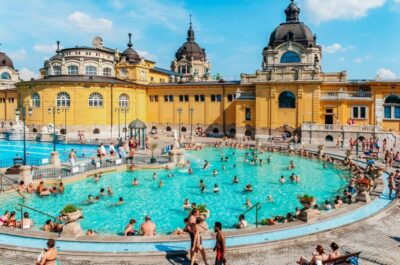
Széchenyi Spa Day Ticket with Optional Upgrades
Read our review →


Budapest Danube Cruise and Dinner Options, Live Music and Dance
Read our review →