
Reviewed · JEWISH QUARTER TOURS
Private Jewish Heritage Tour including Hotel Pickup
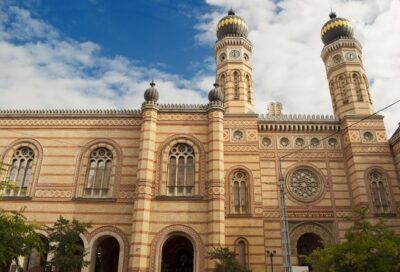
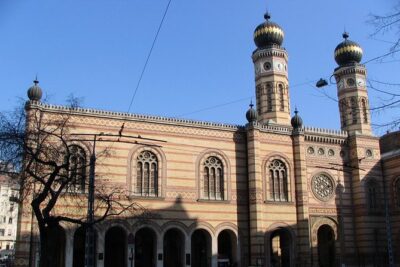
Budapest’s Jewish quarter is best understood on foot, where grand synagogues, memorials, old market sites, and today’s cafés sit close together. This private tour gives you a guide to connect those places, from the Dohány Street Synagogue and its Tree of Life memorial to the smaller Kazinczy Street Synagogue.
I like the choice of three tour lengths, and I like the personal touch of hotel pickup and a flexible pace. Guides including Petra, Benjamin, Viktoria, Fatima, and Greta have been praised for clear English, warm conversation, and the ability to adjust the walk for family history or an older pace. The main drawback is that the tour does not include every major Jewish site in Budapest, especially the Shoes on the Danube and the Holocaust Memorial Center.
Key points at a glance
- Three routes fit different schedules: Choose a 2-hour Small Tour, a 2.5-hour Essential Tour, or a 4.5-hour Grand Tour.
- Dohány Street Synagogue anchors the visit: Entry includes the synagogue, Jewish Museum, cemetery, memorial park, and Jewish Centre.
- The Grand Tour adds real neighborhood context: Walk through Gozsdu Passage and the Orthodox Jewish Quarter before entering Kazinczy Street Synagogue.
- Personal guiding is the chief strength: Your guide can slow down, answer family-history questions, and adjust the focus of the walk.
- Hotel pickup keeps the morning simple: Pickup is offered from centrally located Budapest hotels.
- Kosher cake adds a pleasant pause: The Grand Tour includes an invitation to Fröhlich Confectionery.
Why Jewish Budapest deserves a dedicated walk
Budapest’s Jewish story is not confined to one building. It runs through old Pest, the former Jewish market, the streets around Madách Square, the synagogues, and the memorials that mark both rescue and loss.
That is why a private guide can be more useful here than a quick visit to one synagogue. You are not just looking at architecture. You are learning how Jewish life developed in Hungary, how communities adapted over time, and how the Holocaust changed the city forever.
The experience is also suitable for visitors with a family connection to Hungarian Jewry. One guide, Victoria, was able to tailor the discussion to a family’s background, while Petra was praised for handling an emotional visit with tact. You can ask for more time at places that matter to you rather than follow a fixed group schedule.
The advertised price is $191.72 per person. That is a serious cost for a walking tour, but the value depends on your group size and chosen route. You are paying for a private guide, hotel pickup, and admission to the main synagogue sites. From five participants, reduced group prices are available, which can make the private format more attractive for families or small groups.
More of the old Jewish quarter around Budapest:
- Budapest Jewish Heritage Memorial Walking Tour & Synagogue Entry
★ 5.0 · 568 reviews - Budapest: Jewish Heritage Guided Tour with Synagogue Ticket
★ 4.8 · 533 reviews - Jewish Quarter of Budapest Walking Tour
★ 4.7 · 369 reviews
Choosing between two hours and four and a half
The Small Tour lasts about two hours and concentrates on the Dohány complex. It is the sensible choice if you want the central sights without giving up half a day.
The Essential Tour lasts about two and a half hours and begins at Deák Ferenc Square. This adds more of the old Pest story before you reach the synagogue complex. For many visitors, it is the best middle ground: enough street history to give context, but not so much time that the visit becomes tiring.
The Grand Tour lasts about four and a half hours. It follows the Essential route, then adds Carl Lutz Memorial Park, Gozsdu Passage, the Orthodox Jewish Quarter, Kazinczy Street Synagogue, and a stop for kosher cake at Fröhlich Confectionery.
The long option may look demanding on paper, especially if you plan to skip lunch. In practice, the walk is described as fairly easy, with chances to pause and sit at several places. Still, four and a half hours is a substantial commitment. If your group includes anyone who tires easily, tell the guide at the start. Petra has been praised for changing the pace and even extending the tour when interest remained high.
Starting at Deák Ferenc Square
The Essential and Grand Tours begin at Deák Ferenc Square, a useful place to introduce the old Pest side of Budapest. Here, the guide explains the former Jewish market and the role of the area before leading you toward Madách Square.
This opening matters because it moves the tour beyond synagogue interiors. You see Jewish Budapest as part of the city’s wider commercial and urban life. At Madách Square, the guide discusses the Orczy House and the first Jewish center in Pest.
You also pass the Gábor Sztehlo monument. Sztehlo was a Lutheran pastor who helped rescue Jewish children during the Holocaust and became the first Hungarian recognized by Yad Vashem as Righteous Among the Nations. The monument adds an important reminder that this story includes acts of courage as well as persecution.
The walk then passes the Rumbach Street Synagogue from the outside. Its exterior helps you understand the variety of Jewish religious buildings in this part of Budapest, even though the tour does not promise an interior visit there.
Inside the Dohány Street Synagogue
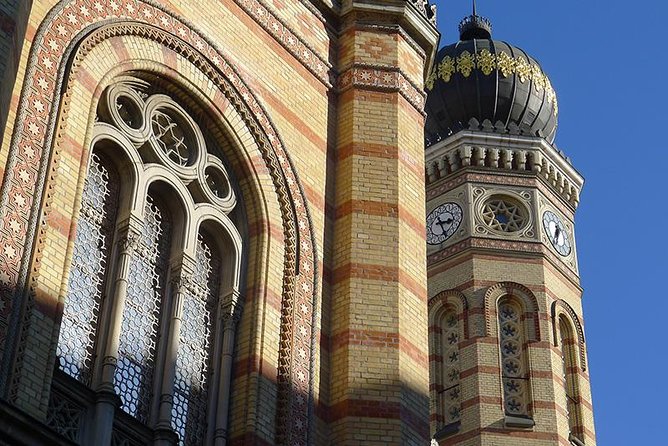
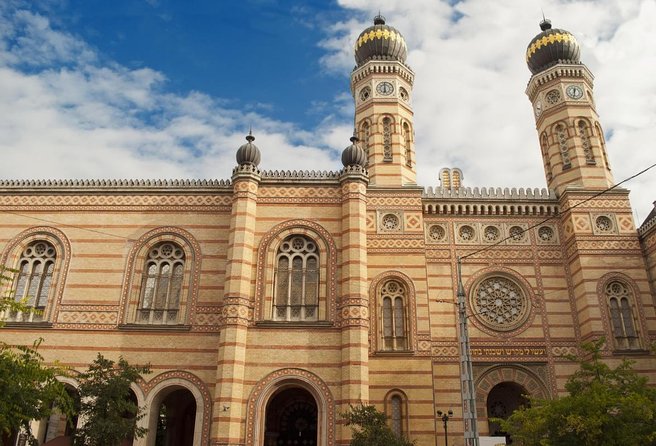
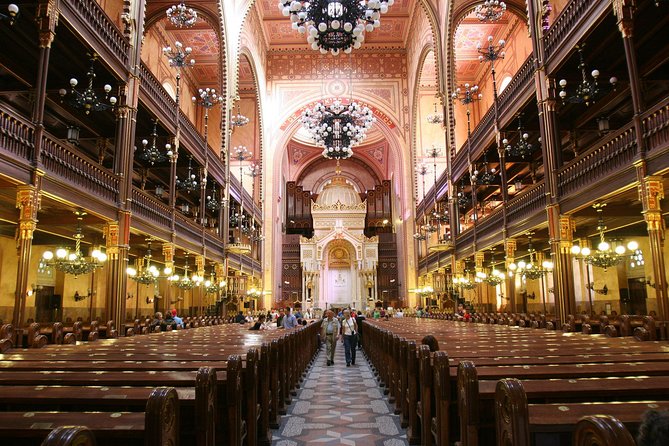
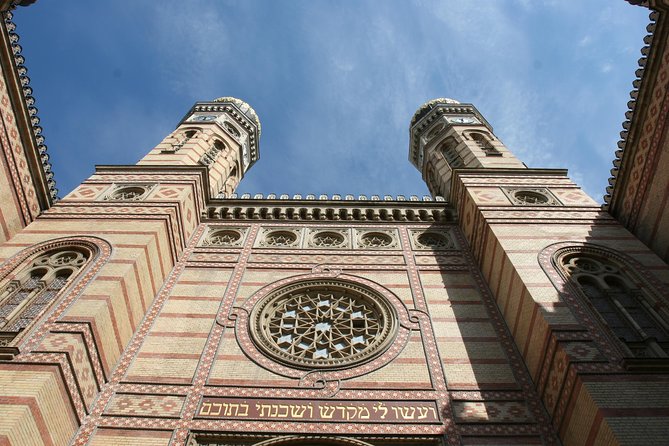
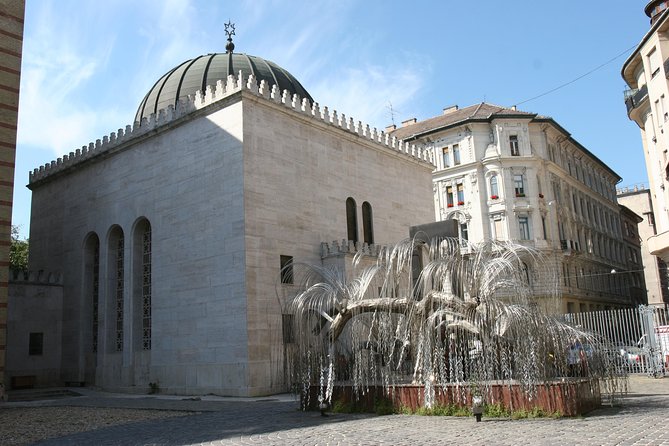
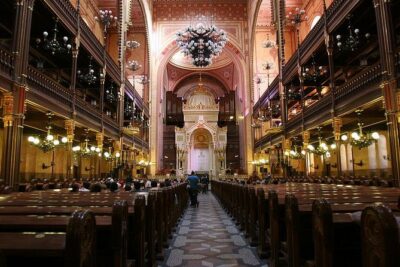
The heart of the shorter tours is the Dohány Street Synagogue, also called the Great or Central Synagogue. Entry is included, and the visit covers both the building and the surrounding complex.
The synagogue is described as Europe’s largest operating synagogue and the world’s second largest. Its size alone makes an impression, but the guide gives the building meaning beyond its scale. You learn about Hungarian Jewish life and the different communities that shaped the capital.
The adjacent Jewish Museum presents art and objects from Hungary and Eastern Europe. A separate room addresses the Holocaust in Hungary. This portion can be emotionally heavy, so allow yourself time to take in the material rather than treating the museum as a quick stop between photographs.
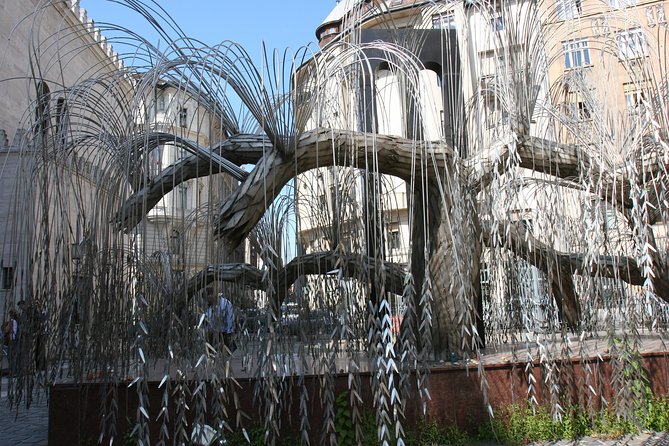
The complex also includes the Martyrs’ Cemetery, the Raoul Wallenberg Memorial Park, and the Tree of Life Memorial. Each place marks a different part of the story. The cemetery and Holocaust room focus attention on loss, while the Raoul Wallenberg memorial recalls the Swiss diplomat who helped protect Jewish people in Budapest.
The Tree of Life is particularly personal for visitors tracing relatives. One person found the names of grandparents on the memorial. If you have family names to check, bring the spellings with you, but do not assume the guide can locate every name on demand.
You also see the Heroes’ Temple from outside and visit the Jewish Centre, including the Family Research Center. These details make the Small Tour more than a synagogue admission. You get a focused look at worship, community, remembrance, and family research within one complex.
More of the past around Budapest:
- Budapest: Historic Cruise with Welcome Drink
★ 4.7 · 6,512 reviews - Budapest Historical Sightseeing – Free Walking Tour
★ 5.0 · 1,302 reviews - Buda Castle District Dark History, Legends and Vampire Night Tour
★ 4.5 · 1,240 reviews - BloodThirsty Hungary: Walking tour & Dark Historical Stories
★ 4.9 · 633 reviews
The Grand Tour and Budapest’s Orthodox quarter
The Grand Tour adds the part of the neighborhood that a short visit cannot cover. After the Essential route, you continue to Carl Lutz Memorial Park, honoring the Swiss diplomat often called Hungary’s Schindler.
The route then takes you through Gozsdu Passage and the Orthodox Jewish Quarter. Gozsdu Passage is a lively urban corridor, but the value here is not simply the chance to browse. Your guide can show how the modern quarter overlaps with older Jewish landmarks and explain the area’s changing character.
At Kazinczy Street Synagogue, you receive an interior visit. This gives you a useful contrast with Dohány. Rather than seeing only one grand institution, you compare different Jewish traditions and architectural settings within the same district.
The tour finishes, or pauses, at Fröhlich Confectionery, where you can accept an invitation for kosher cake. Food is not included as a general tour feature, but this Grand Tour stop offers a simple way to connect the visit with living Jewish culture. It also gives your feet a break after several hours of walking.
What the guide adds
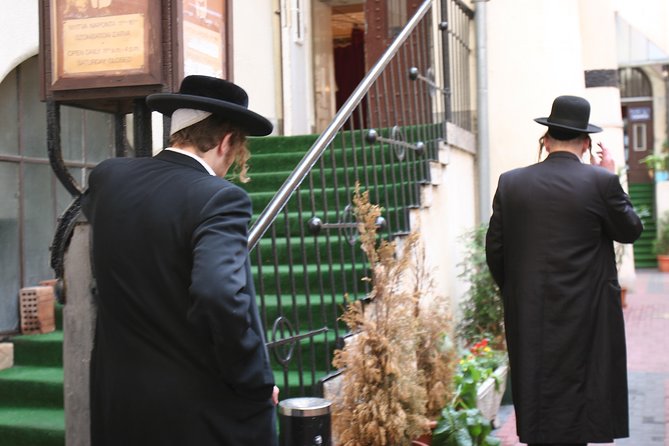
The guide is the main reason to choose the private format. The strongest guiding examples come from people such as Petra, Benjamin, Viktoria, Fatima, Greta, Dorian, Patricia, and Abel, who have been praised for clear explanations, good English, friendly conversation, and an easy pace.
You should not expect the exact same guide every time, so treat those names as examples rather than a guarantee. The important feature is the one-to-one setup. You can ask about Hungarian Jewish history, synagogue traditions, family records, rescue efforts, or the meaning of a memorial without waiting for a group to catch up.
Several guides also appear to have strong working relationships with staff at the sites. In one case, Victoria helped arrange a look inside an Orthodox synagogue that was expected to be closed. That kind of flexibility cannot be promised, but it shows the potential benefit of booking a private experience with a local specialist.
The tone can also be adjusted. Some visitors want a serious Holocaust-focused discussion. Others want a wider look at religion, architecture, family life, and present-day community. Tell your guide what matters to you at the beginning.
The important omissions
The tour covers many central sites, but it does not include the Shoes on the Danube memorial or the Holocaust Memorial Center. This is the clearest limitation.
The Shoes on the Danube is not in the Jewish quarter, so it is not a simple detour from the Dohány complex. The Holocaust Memorial Center is also separate. If both sites are priorities, plan a separate visit or ask before booking if a customized route is possible. The information provided does not promise an add-on option.
The Rumbach Street Synagogue is passed from outside on the Essential route, and the Heroes’ Temple is also an exterior stop. If you want extensive interior visits, the Grand Tour is the strongest choice because it includes Kazinczy Street Synagogue in addition to Dohány.
The Jewish Museum also uses its own museum guide for part of the visit. One person found the museum explanation difficult to hear, so stay close if the room is busy and speak up if you miss something.
Pickup, pace, and practical details
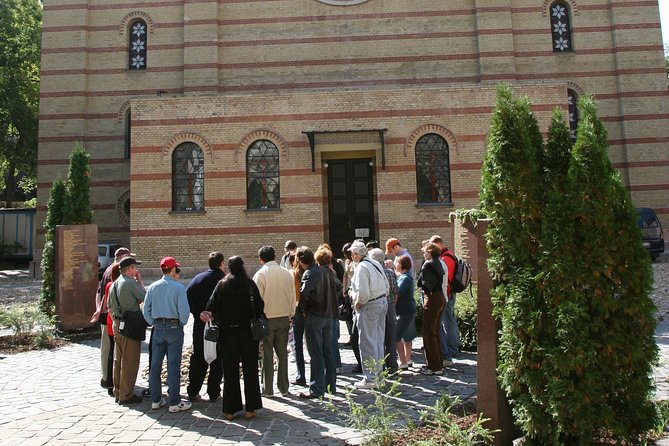
Pickup is offered from centrally located Budapest hotels, with a listed start time of 10:00 a.m. The tour is private, so only your group participates. That makes it easier to manage questions, photographs, and pauses than on a large scheduled walk.
You should expect moderate physical activity. The route is an urban walk, not a strenuous hike, but the Grand Tour lasts four and a half hours and includes several neighborhood sections. Wear comfortable shoes and avoid scheduling it immediately before another demanding activity.
Admission to Dohány Street Synagogue is included. The Grand Tour also includes entry to Kazinczy Street Synagogue. Food and drinks are not generally included, although the Grand Tour offers the kosher cake stop at Fröhlich Confectionery.
Dress and opening rules can matter at synagogues, but no specific clothing policy is provided here. Your confirmation is issued at booking, and the experience offers free cancellation if you cancel at least 24 hours before the start time. Changes or cancellations inside that window are not accepted for a refund.
Who should book this private tour?
I would choose the Small Tour if you want a focused introduction, have limited time, or mainly want Dohány Street Synagogue and its memorial grounds.
I would choose the Essential Tour if you want a little more city context without committing to a half day. Deák Ferenc Square, Madách Square, the Gábor Sztehlo monument, and the outside view of Rumbach add useful background.
I would choose the Grand Tour if Jewish Budapest is a main reason for your visit. It gives you the clearest sense of the neighborhood, includes two synagogue interiors, adds the Orthodox quarter, and provides a pause for kosher cake.
This experience is especially well suited to families, small private groups, and people researching Hungarian Jewish ancestry. It is also a good fit if you prefer conversation to a standard audio guide. The price is harder to justify for a solo visitor on a tight budget, but group reductions from five participants can improve the value.
Should you book it?
Book this tour if you want a personal guide to Budapest’s Jewish quarter and you care about the stories behind the buildings. The strongest parts are the private pace, the Dohány complex, the memorials, and the chance to shape the discussion around your own questions.
Choose the Grand Tour for the fullest route, but plan another visit for the Shoes on the Danube and Holocaust Memorial Center. If you only have two hours, the Small Tour still gives you a meaningful introduction. Just know that the experience is focused on the central Jewish quarter, not every Jewish memorial in Budapest.
FAQ
Where does the Jewish Heritage Tour take place?
The tour takes place in Budapest, mainly around the historic Jewish quarter and the Dohány Street Synagogue area. The Essential and Grand Tours also include stops beginning at Deák Ferenc Square.
Is hotel pickup included?
Yes. Pickup is offered from centrally located hotels in Budapest.
What tour lengths are available?
You can choose a Small Tour lasting about two hours, an Essential Tour lasting about two and a half hours, or a Grand Tour lasting about four and a half hours.
Is the tour private?
Yes. Only your own group participates in the private tour.
Which synagogues can I enter?
All options include entry to Dohány Street Synagogue. The Grand Tour also includes an interior visit to Kazinczy Street Synagogue. Rumbach Street Synagogue is an outside stop on the Essential route.
Is the Jewish Museum included?
Yes. The Small and Essential Tours include the Jewish Museum, including its Hungarian and Eastern European art collection and a separate room about the Holocaust in Hungary.
Is food included?
Food and drinks are not generally included. The Grand Tour includes an invitation for kosher cake at Fröhlich Confectionery.
Can I cancel for a refund?
Yes, if you cancel at least 24 hours before the local start time. Cancellations or changes made less than 24 hours before the experience are not accepted for a refund.
Just added around Budapest
- Walk to recent and aged spiritual sanctuaries near Budapest★ 5.0 · 5 reviews
- Budapest: Private Walking Tour with a Local Guide★ 3.6 · 6 reviews
- Budapest: City Bike Tour with Coffee Stop★ 5.0 · 37 reviews
- Budapest: Danube River Views Bike Ride★ 4.8 · 23 reviews
- From Budapest: Guided Tour of Eger with Wine Tasting★ 4.5 · 6 reviews
- Trash Art Museum: Hungary’s First Scrap Metal Exhibition★ 4.3 · 72 reviews
- True Crime Walking Tour in the Buda Castle district★ 5.0 · 26 reviews
- Budapest: 3-Hour Trabant Sightseeing Tour★ 4.7 · 28 reviews
Jewish Quarter Tours, compared.
Budapest Jewish Heritage Memorial Walking Tour & Synagogue Entry
Read our review →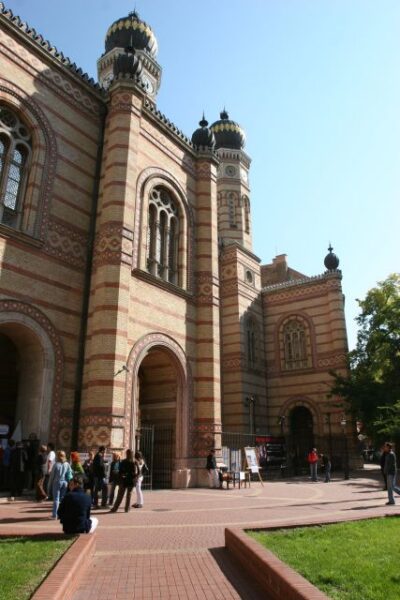
Jewish Heritage Guided Tour with Synagogue Ticket
Read our review →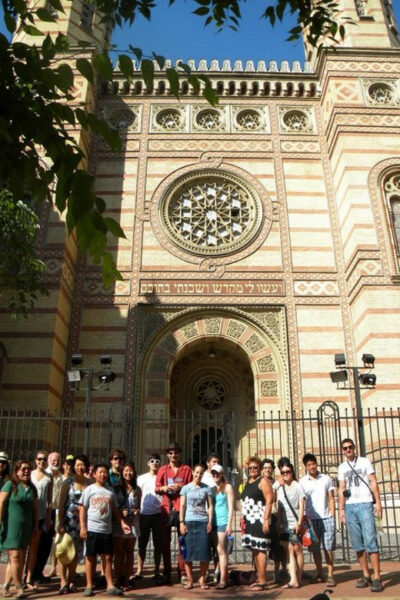
Past and Present of Budapest Jewish District Tour
Read our review →
Budapest Dohany Synagogue & Hungarian Jewish Museum & free extras
Read our review →
Jewish History Guided Walking Tour with Historian
Read our review →Browse the lists this tour appears in