
Reviewed · COOKING CLASSES
Stretched Strudel Making Class with 2 Different Fillings
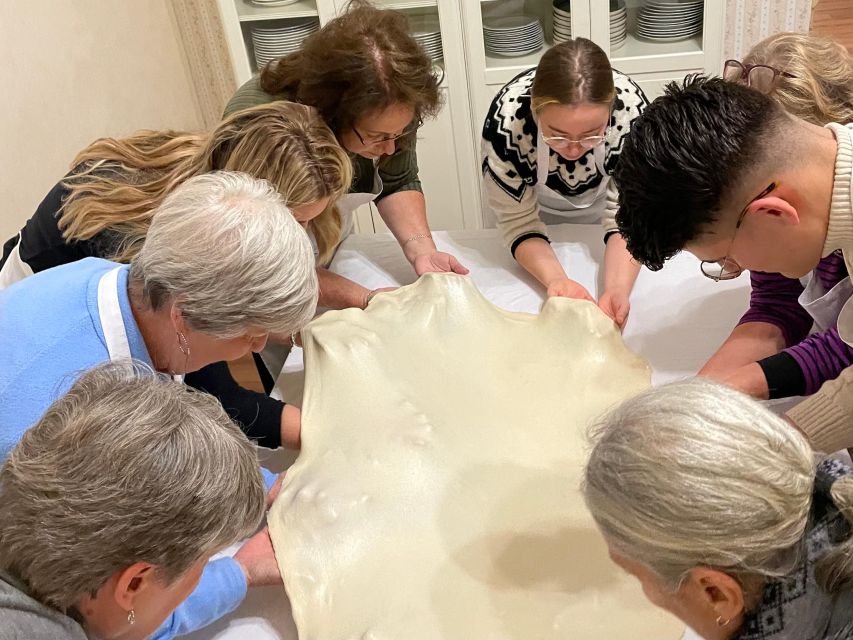
The best part of this Budapest cooking class is the pastry itself. You do not simply watch a chef assemble a strudel. You stretch the dough by hand until it becomes thin, fill it, bake it, and eat the finished dessert. Chef Marti also shares the family methods she learned from her mother, including the little touches that rarely appear in a standard recipe.
I like the small group of no more than 10 people, which gives you room to work without feeling lost at a busy cooking school. I also like the food-and-culture mix: you learn why strudel mattered at countryside wedding dinners, then sit down with Hungarian wine, snacks, and your two finished pastries.
The main consideration is the setting. You meet at a private apartment on Király utca, not a formal restaurant or large culinary studio. That gives the class a home-style feel, but it may not suit you if you prefer a polished school kitchen or need hotel pickup.
Key points at a glance
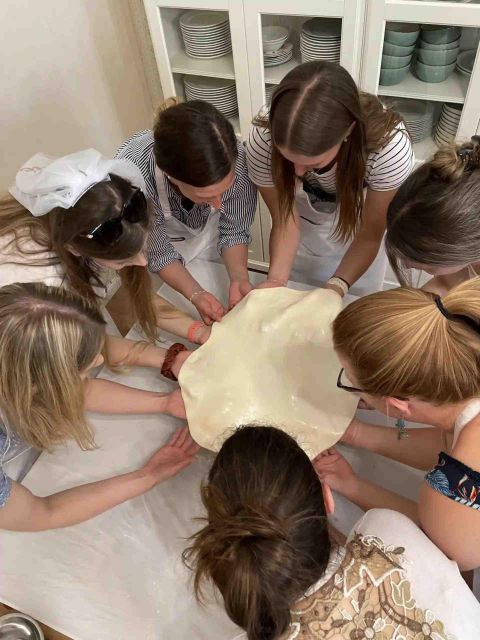
- Stretch the pastry yourself: Work with elastic dough and learn how to make it very thin under Marti’s guidance.
- Bake two different strudels: Prepare two fillings, with choices that may include apple, sour cherry with cottage cheese, poppy seed with pumpkin, or sweet and savory cabbage.
- Hear the family stories: Learn about Marti’s mother’s recipe, Hungarian customs, and the role of strudel at rural wedding meals.
- Taste more than dessert: Hungarian snacks, wine, soft drinks, mineral water, coffee, and homemade elderberry or raspberry syrup may be part of the table.
- Take the class home: The family recipes are included, so you can try the process again for friends and family.
- Plan for a focused afternoon: The experience lasts 2.5 hours and takes place in central Budapest, with no hotel transfer.
Why stretched strudel is worth your afternoon
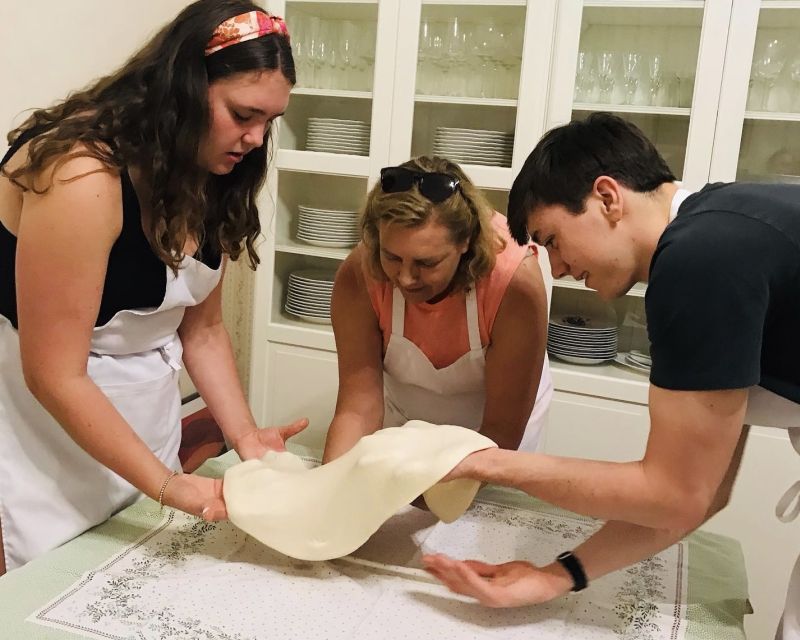
Hungarian strudel is not just a pastry shell wrapped around fruit. The stretched version depends on handling the dough properly. You begin with the ingredients and equipment provided, then follow Marti as she shows you how the dough changes under your hands.
The aim is a sheet thin enough to stretch gently without tearing. That is the part you cannot fully understand from a cookbook. You need to see the motion, feel the dough, and learn when to stop pulling. The class gives you that practical lesson, with the chef nearby to correct your technique.
I like this approach because it turns a familiar dessert into a skill. You are not only eating something sweet in Budapest. You are learning why the pastry behaves as it does and what makes the traditional method different from using ready-made filo pastry.
The experience also gives the dessert a cultural setting. You hear about strudel as a Habsburg Empire dessert with roots linked to Turkish influence in Hungary. You learn about its place at countryside wedding dinners, along with wider details about Hungarian food, customs, and everyday life.
That context helps you understand why a family recipe matters. The class is not a formal lecture on Central European food. The cooking remains the main event, but the stories give the dough and fillings a place in Hungarian life.
Other hands-on cooking sessions in Budapest:
- Budapest All in One Small Group Walking Tour with Strudel Stop
★ 5.0 · 1,277 reviews - Budapest Cooking Class & Market Tour with Local Guide & Wines
★ 5.0 · 553 reviews - Premium Hungarian Home Cooking Experience with Chef Marti
★ 5.0 · 169 reviews
Inside the private apartment on Király utca
You make your own way to Király u. 77, 1077 Budapest, in the center of the city. The activity begins and ends at this meeting point, so you should allow time to reach the apartment before the scheduled start.
The private-home setting is one of the most distinctive parts of the class. It creates a family atmosphere rather than the feel of a commercial cooking show. Marti can talk about the recipe as something passed through her family, not simply as a dish selected for a menu.
That personal angle received the strongest praise from the people who took the class. Marti is described as kind, patient, and clear, with a relaxed teaching style. Those qualities matter here because stretching dough can feel awkward at first. A hurried instructor could make the task stressful. Patient guidance gives you a better chance of learning the movement.
The tradeoff is simple: a private apartment may have less space than a purpose-built school. The group is limited to 10, which helps, but you should still expect a close, hands-on setting rather than a spacious demonstration kitchen.
The class is taught in English. It is not suitable for children under 10, so this works best for adults and older children who can follow instructions and take part in a kitchen task.
The first lesson: dough, history, and family technique

The class begins with an introduction to strudel and its place in Hungarian cuisine. Marti explains the dessert’s connection to the Habsburg period and the influence of Turkish food traditions in Hungary.
Then the focus turns to the dough. You learn the family method used for stretched strudel, based on the recipe Marti learned from her mother. The goal is not to make two identical pastries through a demonstration. You work through the process yourself, from beginning to end.
Expect the stretching stage to be the most memorable and possibly the most demanding part. The pastry must become very thin, but it also needs careful handling. You will have help from the chef, and the small group means you can watch how she manages the dough before trying it yourself.
This is a useful class for anyone who likes cooking with their hands. It is less suited to someone who wants a quick tasting with no participation. You will be standing over the pastry, handling ingredients, filling the dough, and helping prepare both strudels.
Choosing two fillings from Hungarian traditions
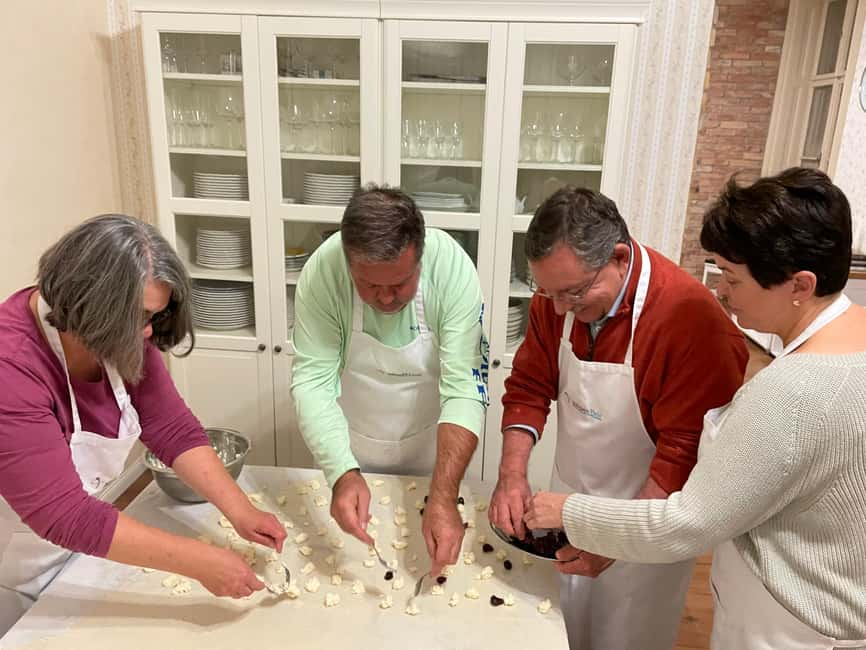
The class includes two different strudels, with typical options such as apple, sour cherry with cottage cheese, sweet cottage cheese cream, poppy seed with pumpkin, and sweet or salty cabbage. The exact choices can depend on the class arrangements, so check what is available when you book if a particular filling matters to you.
The range is useful because it shows that Hungarian strudel is not limited to apple. Sweet fillings can bring fruit, seeds, pumpkin, or cottage cheese into the pastry. Cabbage introduces a savory direction, with both sweet and salty versions part of the tradition.
One especially appealing combination described from the class is sour cherry with cottage cheese. The fruit gives the pastry a sharp edge, while the cottage cheese adds a soft, creamy element. Apple is another familiar choice and offers a good comparison with the more distinctly Hungarian combinations.
You also have the chance to see how the same stretched pastry works with different fillings. That is practical knowledge for home cooking. Once you understand the dough, you can think beyond one fixed recipe.
The ingredients, pots, and equipment are supplied, so you do not need to bring baking tools. You work under professional guidance rather than trying to manage an unfamiliar recipe alone.
A completely different kind of day out:
- Budapest: City Highlights Cruise with Welcome Drink
★ 4.6 · 35,610 reviews - Budapest: Unlimited Prosecco, Beer and Aperol Spritz Cruise
★ 4.8 · 25,310 reviews - Budapest: Széchenyi Spa Day Ticket with Optional Upgrades
★ 4.3 · 23,911 reviews - Budapest: Nighttime or Daytime Sightseeing Cruise
★ 4.2 · 21,062 reviews
From stretched dough to the oven
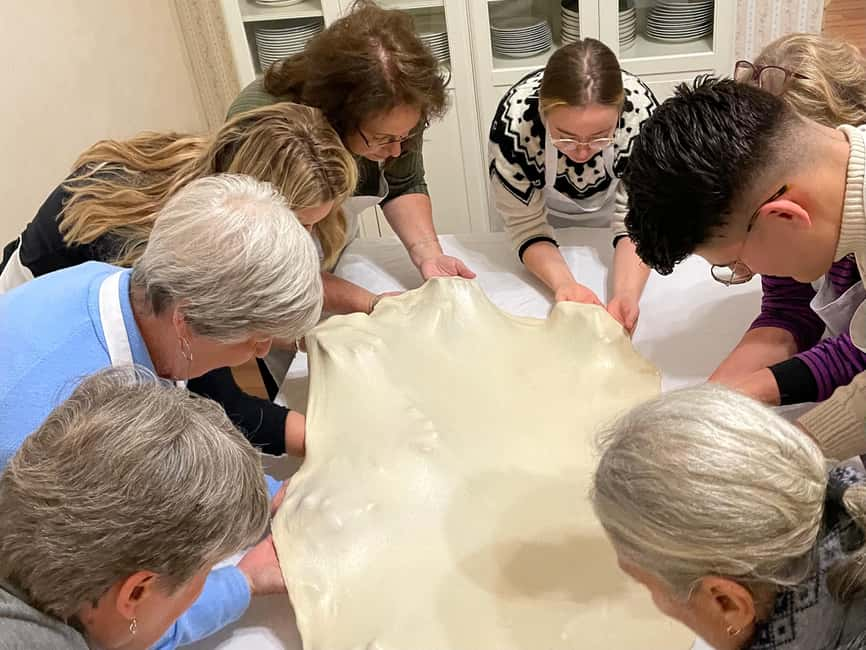
Once the dough is thin, you add the fillings and prepare both strudels for baking. This is where the earlier lesson becomes a finished dish. You have handled the pastry, made choices about the fillings, and watched the rolls take shape.
The class does not rush straight from preparation to a quick sample. The strudels go into the oven, giving you a short break before the final tasting. That pause is used for Hungarian snacks and drinks.
Included drinks are 2 deciliters of Hungarian wine, soft drinks, mineral water, and coffee. One particularly personal touch is the homemade soda made with syrup from family-grown elderberries and raspberries. It is a small detail, but it fits the home kitchen setting well and gives you another taste beyond the main dessert.
The snacks also make the session feel like a shared table rather than a single baking task. You are learning about food while eating food, with time to talk to the chef and the other people in your group.
Keep in mind that the drinks are part of the scheduled experience, not a full wine tasting. The value lies in the complete meal-like rhythm: prepare, wait, taste a few local bites, then sit down with the finished strudels.
Sitting down to eat what you made
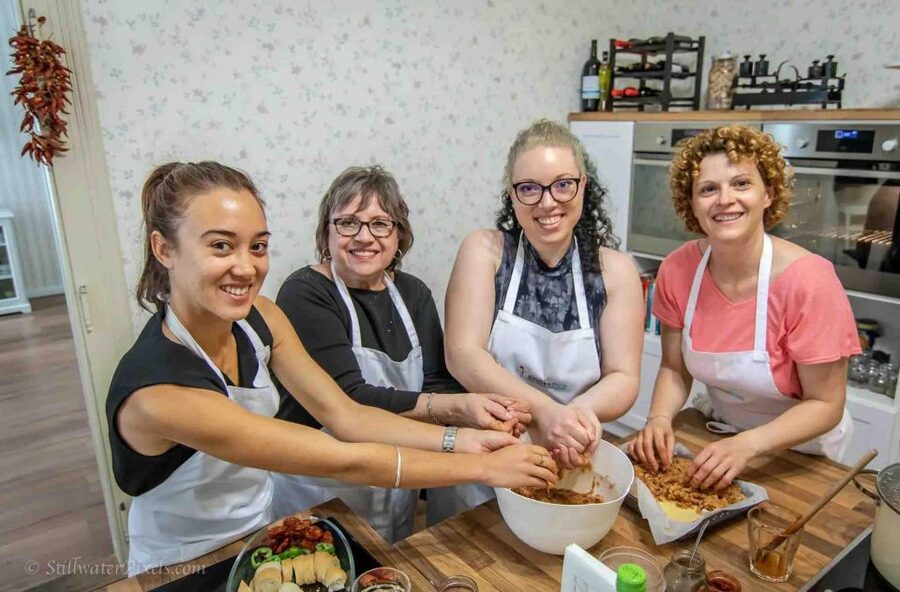
When the pastries are ready, you sit with the group and eat them together. This final step matters. A cooking class should give you time to enjoy the result, not send you away as soon as the oven opens.
The finished strudel is the payoff for the hands-on work. You can see how thin the pastry became, compare the two fillings, and decide which style you want to make at home. You also get a better sense of texture than you would from a restaurant order alone.
The experience is especially good for couples, friends, and families with older children. You have a shared activity, but it is not built around a strict performance or competition. The atmosphere is described as relaxed and fun, with Marti explaining the process in a clear way.
Solo visitors can also fit well into the small group. The class provides a natural reason to talk with others, and the table setting gives the activity a social finish without requiring a separate dinner reservation.
If your schedule is tight, remember that the 2.5-hour length is real time in the kitchen. Add your journey to Király utca and a little time afterward before planning another fixed booking.
What you take home besides the pastry
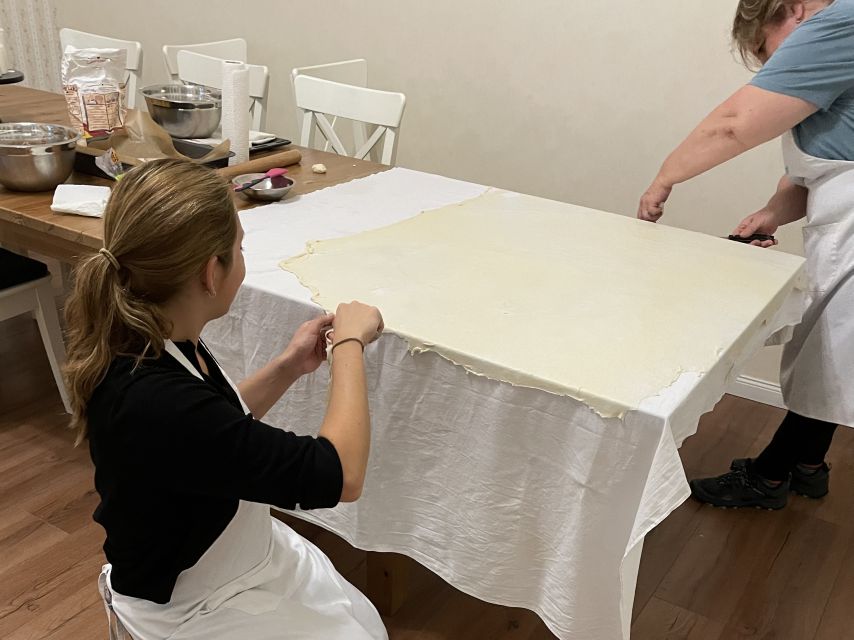
The most useful souvenir is the set of family recipes. You leave with instructions that let you recreate the strudels for your own family and friends.
That makes this experience more lasting than a standard food tour. A restaurant meal ends when the plate is cleared. A recipe gives you a reason to remember Budapest later, even if your first attempt at stretching the dough takes practice.
You should expect the home version to require patience. The class gives you guidance and a working example, but the technique still depends on touch. The recipes are valuable because you can repeat the process and improve.
The class also leaves you with a better understanding of Hungarian food beyond the pastry. Marti talks about local dishes, customs, and everyday life, so the recipes come with cultural context. You learn not only what goes into a strudel, but why particular fillings and methods have stayed in use.
Is $90 a fair price?
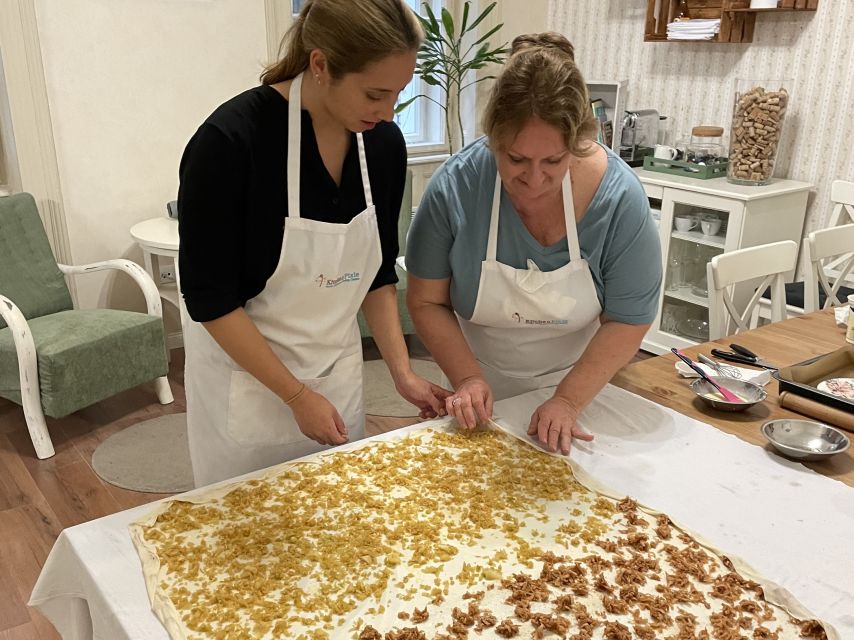
At $90 per person, this is not the cheapest way to taste strudel in Budapest. If you only want a dessert and a coffee, a bakery will cost much less.
The price makes more sense when you count everything included: 2.5 hours of instruction, two strudels, ingredients, kitchen equipment, professional help, snacks, wine, soft drinks, mineral water, coffee, and the family recipes. You are paying for participation and instruction, not just food.
The small group also affects the value. With a maximum of 10 participants, the chef can guide you through the dough and answer questions. That is important for a technique-based class, where watching from the back of a large room would not be enough.
You should book this if you want a cooking experience with a personal story and a recipe you can use later. You should skip it if you prefer a quick food stop, dislike hands-on kitchen work, or want hotel transport included.
Cancellation is flexible up to 24 hours before the activity for a full refund, and you can reserve now and pay later. Those policies help if your Budapest plans are still shifting, but the practical details remain straightforward: you get to the apartment yourself, and the activity returns there at the end.
Who should book this Budapest cooking class?
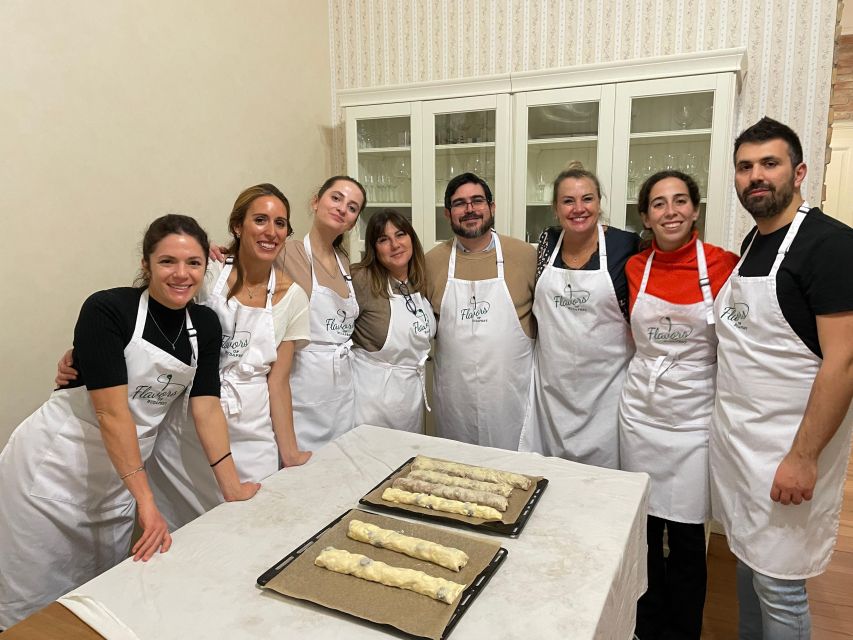
I would recommend it most to:
- Home cooks who want to learn a traditional pastry technique rather than watch a demonstration.
- Food-focused visitors who want local customs and family cooking stories with their meal.
- Couples and friends looking for a shared activity that produces something they can eat together.
- Older children and families who can take part in kitchen work, noting that children under 10 are not permitted.
- Repeat visitors to Budapest who want a more personal food experience than a standard restaurant meal.
It may not be the right fit for you if you need step-free or specially adapted arrangements, since no accessibility details are provided. It is also not ideal if you expect a formal culinary school, private transport, or a large choice of fixed start times. Check availability for the starting times that fit your day.
Should you book the stretched strudel class?
Book it if you want to learn a real Hungarian family method and do the work yourself. The strongest reasons are Marti’s patient teaching, the chance to stretch the dough by hand, the two contrasting fillings, and the recipes you can use after returning home.
The private apartment and small group give the class a personal tone, though they also mean a less formal setting. At $90, it is best viewed as a half-day food experience rather than a cheap snack stop.
For a first visit to Budapest, this class adds context to the city’s food culture without requiring a full day away from sightseeing. You leave with a full stomach, two new strudel ideas, and a practical skill that may bring a bit of Hungary into your own kitchen.
FAQ
Where does the strudel class take place?
The class takes place at a private apartment at Király u. 77, 1077 Budapest, Hungary. You make your own way to the meeting point, and the activity ends there.
How long does the experience last?
The class lasts 2.5 hours. Starting times vary, so check availability when choosing a date.
How many people can join the class?
The experience is limited to 10 participants, creating a small-group or family-style setting.
Is the class taught in English?
Yes. The instructor language is English.
How many strudels will I make?
You will make two strudels from beginning to end, using two different fillings.
What fillings can be used?
Possible traditional fillings include poppy seed with pumpkin, sweet or salty cabbage, sweet cottage cheese cream, apple, and sour cherry with cottage cheese. Available choices may depend on the class arrangements.
Are drinks included?
Yes. The class includes 2 deciliters of Hungarian wine, soft drinks, mineral water, and coffee. Typical Hungarian snacks are also included.
Are ingredients and cooking equipment provided?
Yes. All ingredients, kitchen pots, and equipment are included, along with guidance from a professional chef.
Can children join the class?
The activity is not suitable for children under 10 years old.
Just added around Budapest
- Walk to recent and aged spiritual sanctuaries near Budapest★ 5.0 · 5 reviews
- Budapest: Private Walking Tour with a Local Guide★ 3.6 · 6 reviews
- Budapest: City Bike Tour with Coffee Stop★ 5.0 · 37 reviews
- Budapest: Danube River Views Bike Ride★ 4.8 · 23 reviews
- From Budapest: Guided Tour of Eger with Wine Tasting★ 4.5 · 6 reviews
- Trash Art Museum: Hungary’s First Scrap Metal Exhibition★ 4.3 · 72 reviews
- Budapest: 3-Hour Trabant Sightseeing Tour★ 4.7 · 28 reviews
- True Crime Walking Tour in the Buda Castle district★ 5.0 · 26 reviews
Cooking Classes, compared.

Budapest All in One Small Group Walking Tour with Strudel Stop
Read our review →
Budapest Cooking Class & Market Tour with Local Guide & Wines
Read our review →
Premium Hungarian Home Cooking Experience with Chef Marti
Read our review →
Hungarian Cooking and optional Local Market Tour
Read our review →


Hungarian Strudel Making Class: Stretch & Fill Two Ways
Read our review →
Private Budapest All In One Walking Tour with Strudel Stop
Read our review →Browse the lists this tour appears in