
Reviewed · COMMUNISM HISTORY TOURS
Born Under The Red Star – The History of Communism in Hungary – Private Tour
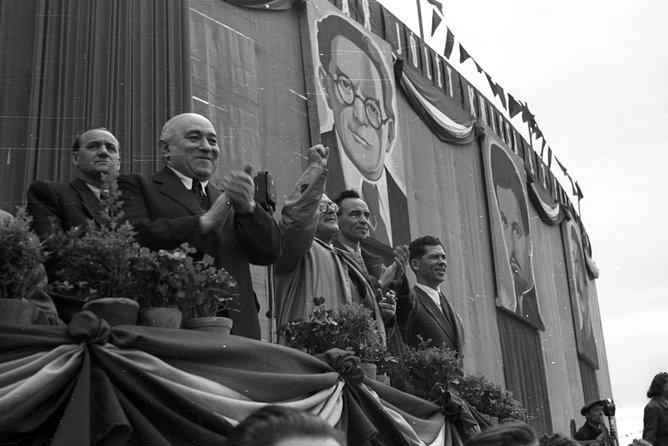
Budapest’s communist past is not tucked away in one museum. It is scattered across grand squares, memorials, government buildings, and ordinary streets. This private tour links those places into one story, from the Soviet memorial near Parliament to the 1956 uprising and the House of Terror area. The stop at a Communist-themed bar adds a human touch to what could otherwise be a solemn history walk.
I like the private format, since you can ask direct questions and shape the discussion around daily life, politics, or family memory. I also like the hotel or apartment pickup, plus the maps and local suggestions that help you keep exploring afterward. The main caution is value: at $108.14 per person, you need a strong guide and clear explanations of what is included. Entry fees and the exact bar offering have caused confusion.
Key points to know
- The 1956 Revolution takes center stage: Visit a memorial to the uprising against Hungary’s communist regime.
- Liberty Square brings conflicting memories together: Soviet, Holocaust, American, and Hungarian political history meet here.
- The private setting helps: Your guide can answer personal questions without a larger group slowing things down.
- The House of Terror stop is brief: The listed visit lasts about 15 minutes, so this is not a full museum tour.
- A retro bar stop adds everyday context: Coffee or tea is included, while the advertised soda and any extra drinks should be confirmed.
- Admission costs need checking: Basilica and Parliament entry are not included, and House of Terror access has been described inconsistently.
Budapest’s communist story in three focused hours
This is not a full museum visit followed by a lecture. It is a moving history lesson built around six central stops, with short visits at each site and time for conversation. The pace is brisk, and the guide does much of the connecting work.
That format suits you if you want a clear introduction rather than several hours inside one building. You will see the places, hear why they matter, and ask questions as the tour unfolds. If your main goal is a long, detailed visit inside the House of Terror Museum, this tour may feel too short.
The experience is offered in English and is private for your group. Guides named in past bookings include Julia, Brigit, Norbert, and Leslie. Their approach appears to vary. Some guests received personal stories and flexible explanations, while one tour became more focused on general history and current events than on daily life under communism. I would state your priorities at the beginning: ask for concrete details about housing, food, work, censorship, travel, and family life.
The Soviet Heroic Memorial and the uneasy meaning of victory
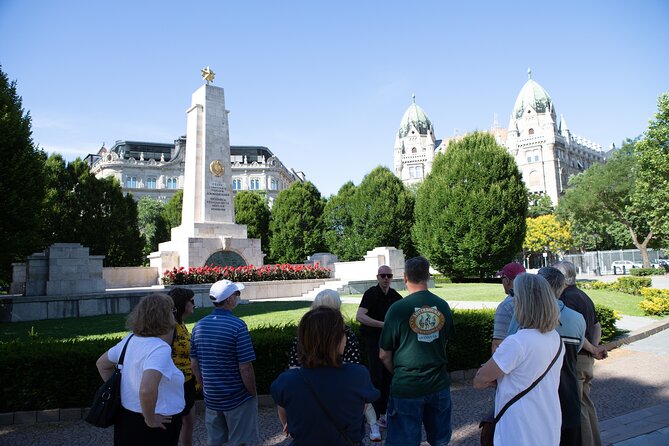
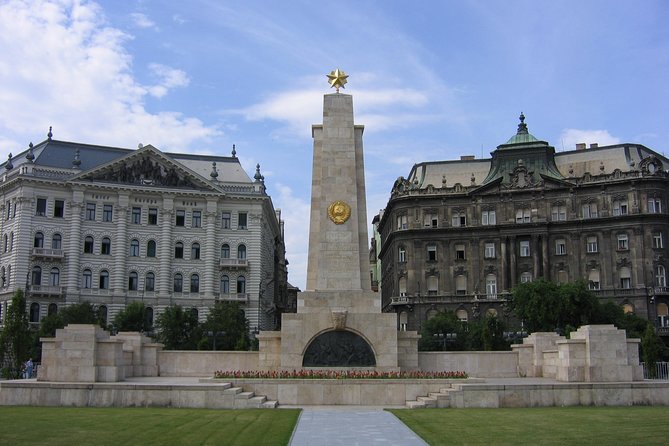
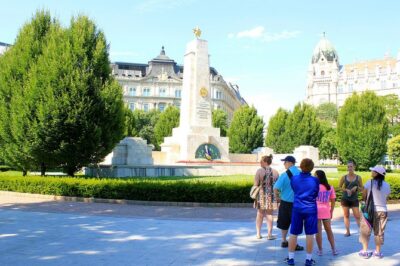
The first stop is the Soviet Heroic Memorial, a white obelisk in a landscaped park. It honors Russian military personnel who served in World War II and remains a visible reminder of the Soviet role in defeating Nazi Germany.
You will spend about 15 minutes here, and admission is free. The stop is short, but the subject is not simple. The memorial can be read as a monument to liberation from the Nazis, yet Soviet power soon became a new source of control for Hungary. That tension is central to understanding the rest of the tour.
A good guide should explain the difference between military victory in 1945 and the political system that followed. This is also a useful place to ask how Hungarian memory treats Soviet soldiers today. The tour does not promise a long stop, so do not expect an extended examination of the monument itself.
More of the communist years around Budapest:
- Budapest: Budapest Retro Interactive Museum Ticket
★ 4.4 · 373 reviews - Budapest: Communist History Tour with House of Terror Option
★ 4.8 · 182 reviews - Budapest: 3-Hour Walking Tour About Communism (Small Group)
★ 4.7 · 70 reviews
The House of Terror area and the limits of a 15-minute visit
The House of Terror Museum occupies Andrássy út 60, a building connected with both the fascist and communist regimes. Its exhibitions address detention, interrogation, torture, and death, and it also serves as a memorial to those who suffered there.
The listed stop lasts only about 15 minutes. That is enough for your guide to explain the building’s importance and point out the setting, but not enough for a proper museum visit. If you want to see the exhibitions, allow separate time and budget for admission.
There is an important practical point here. The itinerary information has described the admission as free, yet the included-features section does not include a House of Terror ticket, and a past booking specifically found that museum entry was not covered. Treat the stop as an exterior or orientation visit unless Budapest Urban Walks confirms otherwise before you book.
This is one of the strongest reasons to ask questions in advance. The subject matter is serious, and a rushed glance at the building will not replace time inside the museum. Still, the location gives the guide a powerful starting point for explaining how repression operated under both far-right and communist rule.
St. Stephen’s Basilica as a reminder of another Hungary
St. Stephen’s Basilica may seem out of place on a communist history tour. Its importance here is that it provides a glimpse of Hungary’s religious and national identity, set against the state ideology that shaped public life during the communist era.
The basilica honors Stephen, Hungary’s first king, and its reliquary holds his right hand. The stop is listed at about 15 minutes. Admission is not included.
Past booking information also shows why you should clarify the ticket. One guest expected free admission, but the guide obtained the cheapest ticket, which allowed access only to the church dome. The provider acknowledged that the description had been wrong and said it was corrected. Even so, confirm exactly what you are getting: church access, dome access, or an exterior explanation.
If you want to visit the basilica properly, you may prefer to return on your own. A short stop can give you the context, but it does not leave much time for the interior, the relic, or the building’s architectural details.
Liberty Square and Budapest’s competing memories
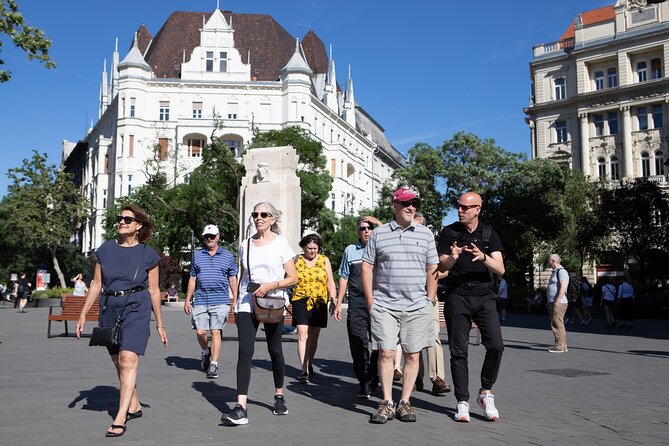
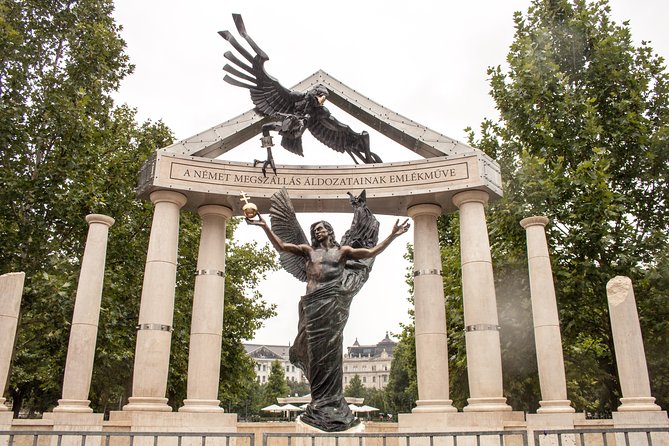
Liberty Square, or Szabadság tér, is likely the richest stop on the route. The square contains memorials connected with Jewish victims of the Holocaust and Soviet soldiers who liberated Budapest from the Nazis in 1945. The United States Embassy and the Hungarian National Bank also face the square, adding modern political and financial power to the scene.
You get about 25 minutes here, the longest scheduled stop. That extra time matters. This is where a strong guide can show you how public memorials make political choices visible. Which victims receive a monument? Who is called a liberator? How does a country remember occupation, collaboration, resistance, and survival at the same time?
The square is especially useful for understanding why Hungarian history cannot be divided into neat good and bad chapters. The Soviet army helped defeat Nazi Germany, then helped create the conditions for communist rule. A guide can use the memorials to explain why the same historical event may be remembered in sharply different ways.
This is also a good place to ask about the years after 1945 and before the 1956 Revolution. If your interest is daily life, use the square as a prompt rather than waiting for the guide to cover everything automatically.
More of the past around Budapest:
- Budapest: Historic Cruise with Welcome Drink
★ 4.7 · 6,512 reviews - Budapest Historical Sightseeing – Free Walking Tour
★ 5.0 · 1,302 reviews - Buda Castle District Dark History, Legends and Vampire Night Tour
★ 4.5 · 1,240 reviews - BloodThirsty Hungary: Walking tour & Dark Historical Stories
★ 4.9 · 633 reviews
The 1956 memorial and the courage of resistance
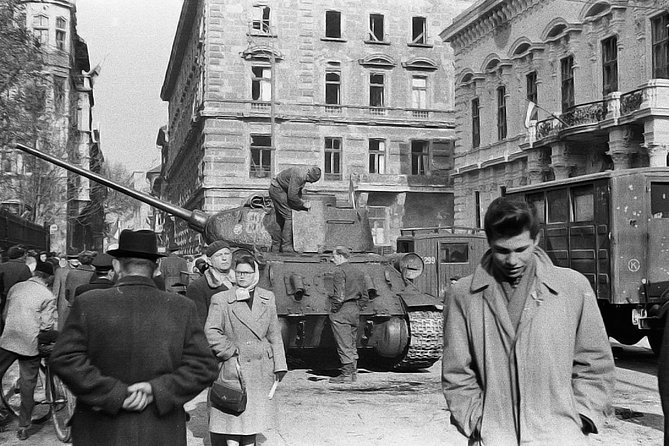
The memorial to the 1956 Hungarian Revolution and War of Independence honors those who rose against the communist regime. You will spend about 15 minutes here.
The revolution is one of the key events in modern Hungarian history. It began as a challenge to Soviet-backed rule and became a national struggle for independence. The uprising was eventually crushed, but it left a lasting mark on Hungarian identity and on the way people remember resistance.
This stop gives the tour an emotional center. The earlier memorials show the weight of occupation and state power. Here, you turn to ordinary people who challenged that system. Ask your guide how the uprising began, what demands people made, and how its defeat affected Hungarian life afterward.
The stop is not long, so the detail will depend heavily on the guide. Past guides such as Julia and Norbert were praised for adding personal experience or flexibility to the subject. A private group gives you the chance to ask for more explanation if the account feels too brief.
Parliament and the visible power of the state
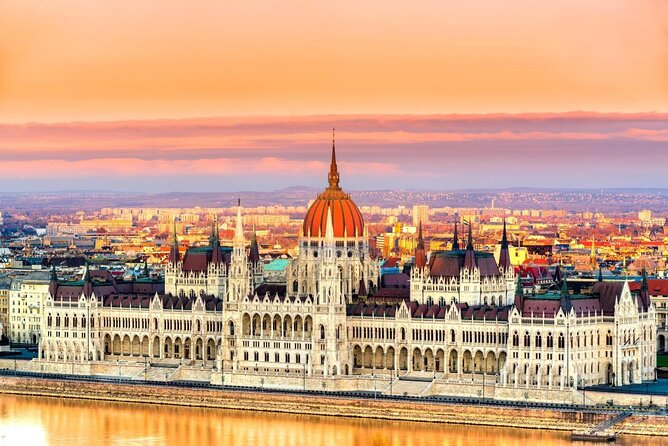
The Hungarian Parliament Building is one of Budapest’s best-known landmarks and the seat of the National Assembly. The tour includes about 15 minutes here, with admission not included.
For a communist history tour, Parliament is less about a museum-style visit and more about political symbolism. The building represents the country’s national government, while the tour’s other stops show the forces that shaped Hungary from outside and within. Your guide can connect the building to ideas of sovereignty, national identity, and the shift from communist rule to later political life.
Do not assume this means an interior Parliament tour. The supplied details do not include an entry ticket, and the short stop suggests that the focus is likely on the building and its historical setting. If you want to go inside, plan that as a separate activity and check the ticket arrangements before booking this experience.
A retro drink and the texture of daily life
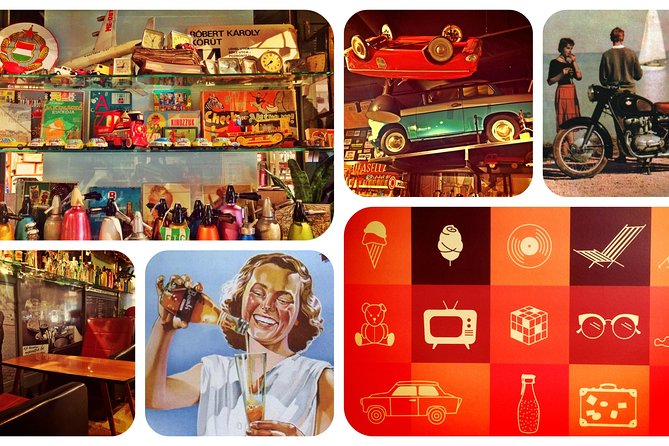
The Communist-themed bar stop is one of the tour’s more unusual features. The point is not simply to sit down for a drink. It gives the guide a place to talk about the objects, habits, and small comforts associated with life under communism.
The included items are listed as a retro soda and coffee or tea. However, one past booking reported receiving coffee but no retro drink, and also found that any museum-style entry at the venue was not included. I would confirm the exact offer in writing before paying, especially if the bar stop is a major reason you are booking.
The stop can be useful when the discussion moves away from monuments and toward ordinary life. Ask about shopping, shortages, work, school, travel limits, state propaganda, and what people did for fun. A personal account can make these topics easier to grasp than a list of political dates.
One past guide, Leslie, was described as interesting, but the conversation reportedly turned toward current events and the tour ended about an hour early. The provider explained that the guide met the group at the House of Terror rather than at the hotel, which shortened the booked time. To avoid this, confirm the pickup location and the expected three-hour schedule at the start.
Is $108.14 per person fair value?
At $108.14 per person, this is not a cheap walking tour. The price is easier to justify for a small private group that wants a custom conversation, hotel or apartment pickup, and an English-speaking guide focused on a difficult subject.
You also receive maps and further recommendations, plus coffee or tea and the advertised retro soda. Group discounts may improve the price if several people book together. Because the tour is private, you are not paying for a one-size-fits-all commentary with strangers.
The value drops if you mainly receive a general Budapest history walk, spend a long time in a cafe, or expect museum entry to be covered. One booking found very little discussion of what life was like under communism and felt the tour finished early. That criticism is important because the tour’s title promises a focused subject, not just a broad city overview.
I would compare the cost with your alternative. You can visit several sites independently for less money, but you will have to research the history, arrange transport, buy admission, and create the connections yourself. The private tour earns its price only when the guide gives you clear, specific context and responds to your questions.
What the private format changes
Private touring is the strongest feature here. You can stop the guide, ask for a simpler explanation, request more detail about daily life, or shift the discussion toward your own interests. That matters when the subject includes political repression, war, religion, and contested public memory.
It also means the experience depends more on the individual guide. Past bookings name Julia, Brigit, Norbert, and Leslie. Julia was praised for personal details that made difficult history feel real. Brigit was praised for her command of the subject, and Norbert for flexibility and friendliness. At the same time, one account found the content too limited.
I recommend giving the guide a short list of what you want to understand. For example:
- How did communist rule affect food, housing, work, and travel?
- What changed after the 1956 Revolution?
- How did people handle censorship and political pressure?
- What did ordinary families think about the Soviet presence?
- Which parts of Budapest still show the communist period?
These questions help keep the tour on its advertised theme.
Who should book this Budapest history tour?
I would choose this tour if you want an introduction to Hungary’s communist past, prefer a private guide, and value conversation more than a long museum visit. It is also a good fit if you have limited time and want several important locations tied together in one morning or afternoon.
History-minded visitors who already know Budapest’s main sights may find the political focus useful. The route also suits families with older children, provided the children are accompanied by an adult and are comfortable with serious material.
I would hesitate if you want guaranteed entry to the House of Terror, St. Stephen’s Basilica, or Parliament. I would also hesitate if you expect a full three-hour lecture devoted only to daily life under communism. Confirm the inclusions, pickup point, and timing first.
Pickup is offered from your requested address, the tour is near public transportation, and a moderate level of physical fitness is required. Service animals are allowed. Confirmation arrives at booking, and cancellation is free up to 24 hours before the start time. Poor weather can lead to a new date or a full refund.
Should you book Born Under The Red Star?
Book it for the private discussion and historical connections, not for included admission tickets. The memorials at Liberty Square and the 1956 site give the tour real substance, while the bar stop can add a welcome look at everyday life.
Before booking, ask three direct questions: Which sites are entered rather than viewed from outside? Is the retro soda included on the day? Will the full three hours run from hotel pickup to return?
If the answers are clear and you want a guided introduction to Budapest’s communist past, this can be a worthwhile use of half a day. If your priority is museum access and detailed daily-life history, visit the sites independently or arrange a longer, more narrowly focused tour.
FAQ
How long is the tour?
The tour lasts approximately three hours.
Is this a private tour?
Yes. Only your group participates.
Is hotel pickup included?
Yes. The guide meets you at your requested hotel or apartment address.
Is the tour offered in English?
Yes. The tour is offered in English.
Are admission tickets included?
Admission is not included for St. Stephen’s Basilica and the Hungarian Parliament Building. House of Terror admission should be confirmed before booking because the supplied details describe it inconsistently.
Is the House of Terror Museum visited?
The House of Terror Museum is included as a stop, with about 15 minutes scheduled. The available information does not confirm that museum entry is included.
What is included at the Communist-themed bar?
The tour information lists a retro soda and coffee or tea. Food and other drinks are not included unless specified. Confirm the exact drink arrangement before booking.
Is the tour suitable for children?
Children must be accompanied by an adult.
What is the cancellation policy?
You can cancel at least 24 hours before the start time for a full refund. Changes or cancellations made less than 24 hours before the start time are not accepted for a refund. If poor weather cancels the tour, you are offered another date or a full refund.
Just added around Budapest
- Walk to recent and aged spiritual sanctuaries near Budapest★ 5.0 · 5 reviews
- Budapest: Private Walking Tour with a Local Guide★ 3.6 · 6 reviews
- Budapest: City Bike Tour with Coffee Stop★ 5.0 · 37 reviews
- Budapest: Danube River Views Bike Ride★ 4.8 · 23 reviews
- From Budapest: Guided Tour of Eger with Wine Tasting★ 4.5 · 6 reviews
- Trash Art Museum: Hungary’s First Scrap Metal Exhibition★ 4.3 · 72 reviews
- True Crime Walking Tour in the Buda Castle district★ 5.0 · 26 reviews
- Budapest: 3-Hour Trabant Sightseeing Tour★ 4.7 · 28 reviews
Communism History Tours, compared.

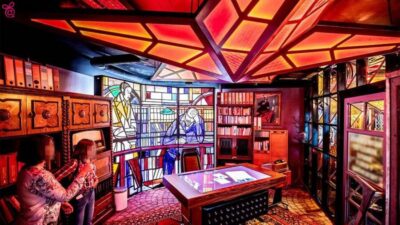
Communist History Tour with House of Terror Option
Read our review →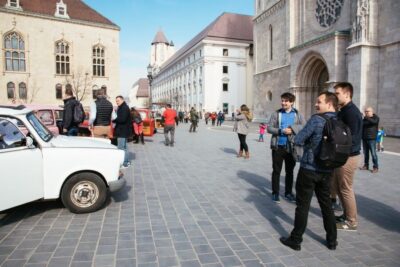
3-Hour Walking Tour About Communism (Small Group)
Read our review →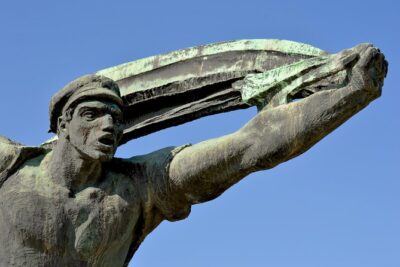

Lives of Hungarians Under Communist and Capitalist system
Read our review →
Browse the lists this tour appears in