
Reviewed · COMMUNISM HISTORY TOURS
Budapest: Hammer & Sickle Communism Walking Tour
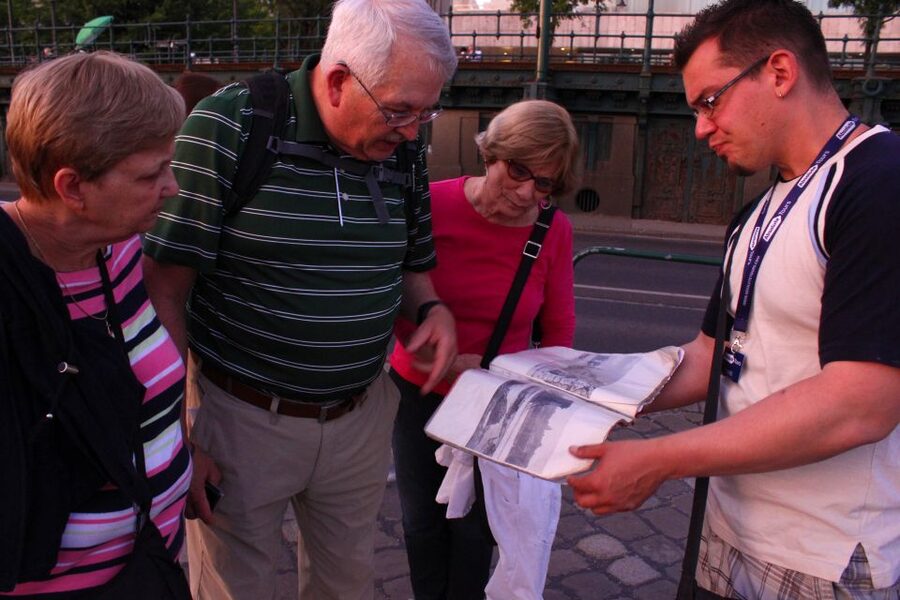
Budapest’s communist past comes alive through ordinary details: Trabant cars, workplace spirits, school rules, and the struggle to get a passport. This 2.5-hour walk links those personal stories to the 1956 Revolution, Parliament, and Liberty Square, where one of the city’s last Soviet memorials remains.
I like the small 1956 exhibition and the way the route connects political events to daily life. I also like the chance to hear first-hand-style local context from a guide, rather than simply read dates on plaques. The drawback is value: at $72 per person, the tour may feel expensive if you already know Hungarian Cold War history or prefer a quick sightseeing walk.
Key points
- A focused look at 50 years of communist rule: Learn how politics affected passports, schools, work, cars, and family life.
- The 1956 Revolution gets its own stop: Visit a small exhibition tied to the protests and the government’s violent response.
- The route ends near major symbols: Walk to the Hungarian Parliament and Liberty Square’s Soviet memorial.
- English-speaking local guidance: Guides such as George have been praised for making the subject conversational and clear.
- Expect two hours of steady walking: Comfortable shoes and weather-ready clothing matter.
- Best for adults and older teens: The serious subject matter makes it unsuitable for children under 14.
Starting at Deák Ferenc Square
The meeting point is in the center of Budapest, at Deák Ferenc tér 4, on the steps of the pale yellow Lutheran Church. This is a handy place to begin because Deák Ferenc Square sits in the heart of downtown, with easy access to the city’s main transport lines.
You can also request pickup from centrally located accommodation when booking. If you meet the guide at the church, arrive ready to walk rather than expecting a vehicle-based tour. Pickup and drop-off are not included as standard.
The tour is offered in English, with private and small-group options available. That matters here. Communist history can become a long lecture when handled poorly, but a small group gives you a better chance to ask about daily life, family choices, and the meaning behind the places you see.
The walk lasts 2.5 hours, with about two hours of continuous walking. I would wear supportive shoes and bring clothing suited to the forecast. The tour runs in all weather, so a rainy-day plan is not optional.
More of the communist years around Budapest:
- Budapest: Budapest Retro Interactive Museum Ticket
★ 4.4 · 373 reviews - Budapest: Communist History Tour with House of Terror Option
★ 4.8 · 182 reviews - Communism in Hungary with a Historian
★ 5.0 · 70 reviews
Hungary Behind the Iron Curtain
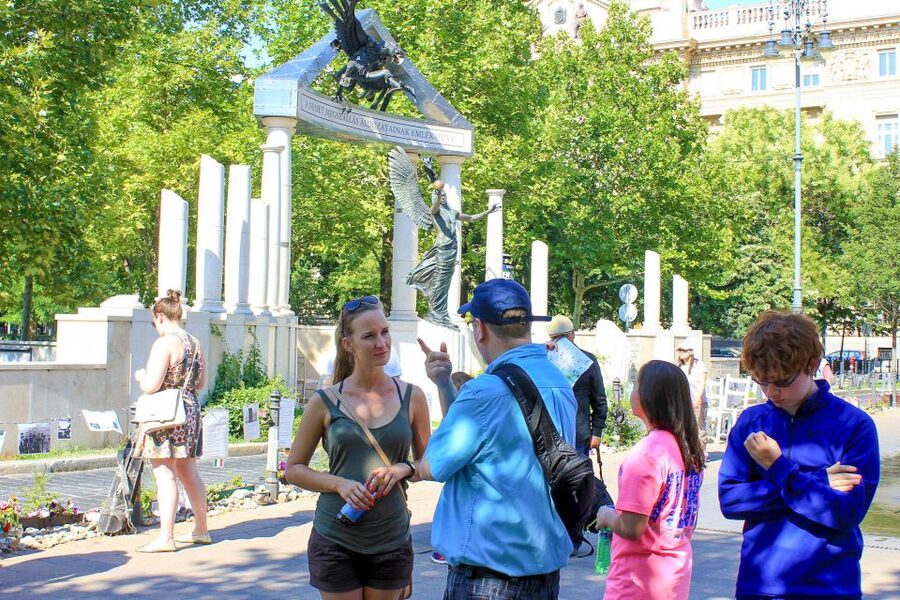
The main strength of this experience is its focus on how political systems reached into ordinary homes. You do not hear only about party leaders and official slogans. You learn what it meant to live under a government that controlled travel, education, work, and access to information.
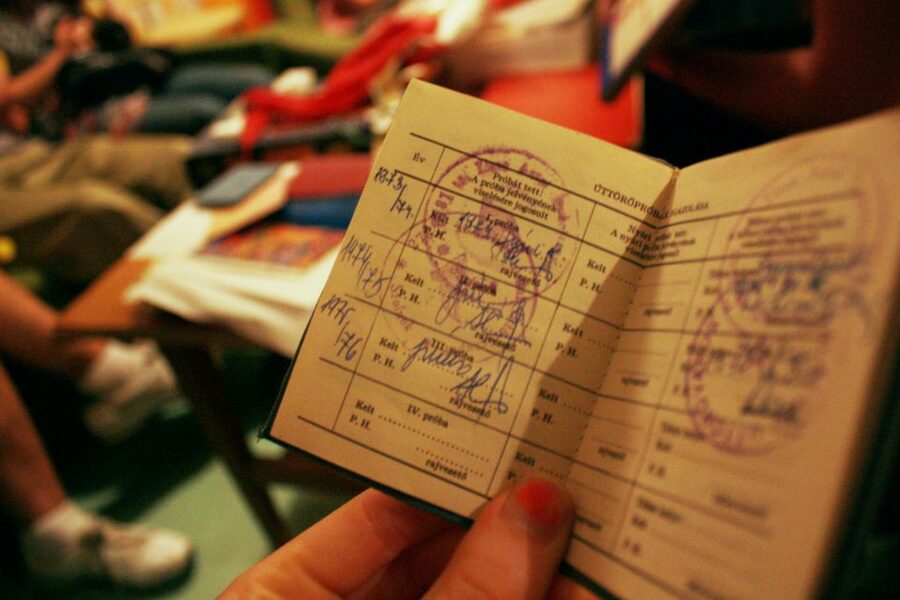
Your guide covers practical questions such as how people obtained passports and what school life was like. These details help explain the limits of life behind the Iron Curtain. A passport was not simply a routine travel document, and leaving the country was not an ordinary choice for everyone.
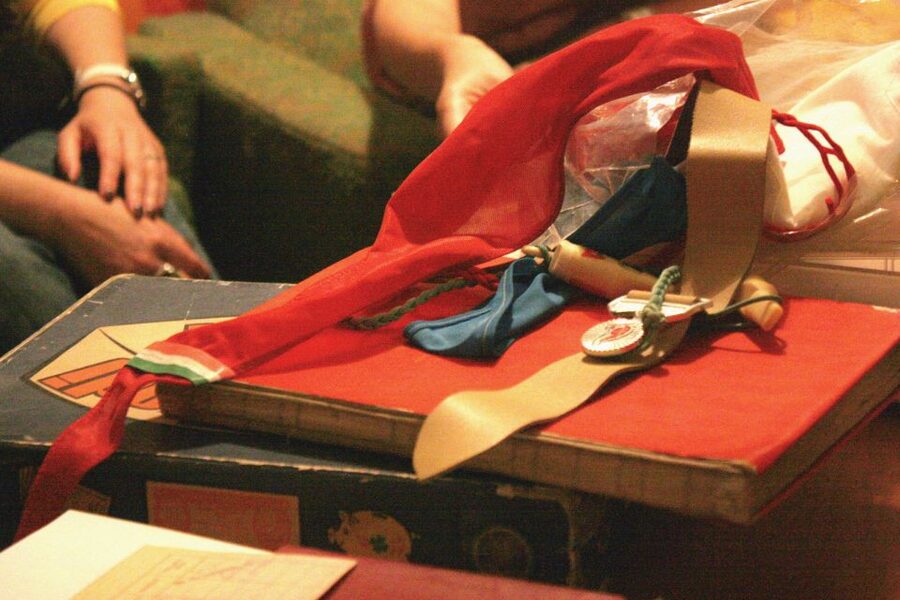
You also hear about the peculiar habits that grew around the system. Trabant cars became a familiar part of life, and workplace drinking is presented as one of the era’s more startling social details. These touches may sound amusing, but they show how people adapted to shortages, restrictions, and a very different work culture.
This is where the tour should appeal to anyone who wants more than a standard city walk. Budapest’s grand buildings tell only part of the story. The guide’s job is to connect public spaces with the private compromises people made to get through each day.
The balance may depend on your guide. One guide has been praised for a personable, well-informed, conversational approach, while one lower-rated experience described the talk as lacking sequence and energy. That is a useful warning: the subject is strong, but delivery matters greatly on a walking tour built around explanation.
The 1956 Revolution Exhibition
A small exhibition devoted to the 1956 Revolution forms an important part of the route. It gives the political story a physical focus and helps you understand how protests began as public resistance to an unethical regime.
The tour discusses the first demonstrations and the wider fight against Soviet-backed rule. You hear about the events that placed Hungary on the international map and about the volleys connected with the uprising. The exhibition is not presented as a large museum visit, so do not expect hours of displays or a full-day historical institution.
Instead, think of it as a compact stop that gives shape to the guide’s explanation. The value comes from hearing the story in sequence, then seeing a place or display tied to it. If you already have a strong background in the 1956 Revolution, this part may feel brief. If the subject is new to you, it provides a useful framework for the rest of the walk.
The age guidance is sensible. The tour is not recommended for children under 14, partly because the subject involves political oppression, protests, and violence. Older teenagers may enjoy it, especially if they already have an interest in modern European history. The tour is not designed as a family entertainment activity.
Walking Through Pest’s Smaller Streets
After the exhibition, the route continues through smaller streets in downtown Pest. This change of setting helps keep the tour from becoming a string of formal monuments. You move through the city while hearing how the communist period shaped the streets and the people who used them.
The guide points out areas where important action occurred. That connection between place and event is one of the tour’s best features. You are not merely told that Hungary resisted an oppressive system. You walk through locations connected with that resistance.
The route also gives room for questions about everyday matters. You can ask about schooling, travel, work, and the social habits of the period. A good guide can use these questions to explain why many people accepted, ignored, or quietly worked around the rules.
This is a walking tour, not a museum-hopping itinerary. Most of the experience comes from the guide’s spoken account and the city streets around you. If you want lots of indoor stops, extensive displays, or time to study objects at length, this may not be the right choice.
I would also keep your expectations realistic about pace. The tour involves around two hours of walking, and people with mobility impairments may find it unsuitable. There is no indication of a dedicated rest schedule, so let the guide know at the beginning if you need a slower pace.
Other guided walks around Budapest:
- Budapest: Buda Castle Walk with Saint Stephen’s Hall
★ 4.5 · 3,012 reviews - Big Bus Budapest Hop-On Hop-Off Bus and Walking Tour
★ 3.5 · 2,206 reviews - Budapest: Buda Castle District Walking Tour
★ 4.6 · 2,108 reviews - Budapest City Landmarks Walking Tour in 2 Hours
★ 5.0 · 2,048 reviews
Parliament and Liberty Square
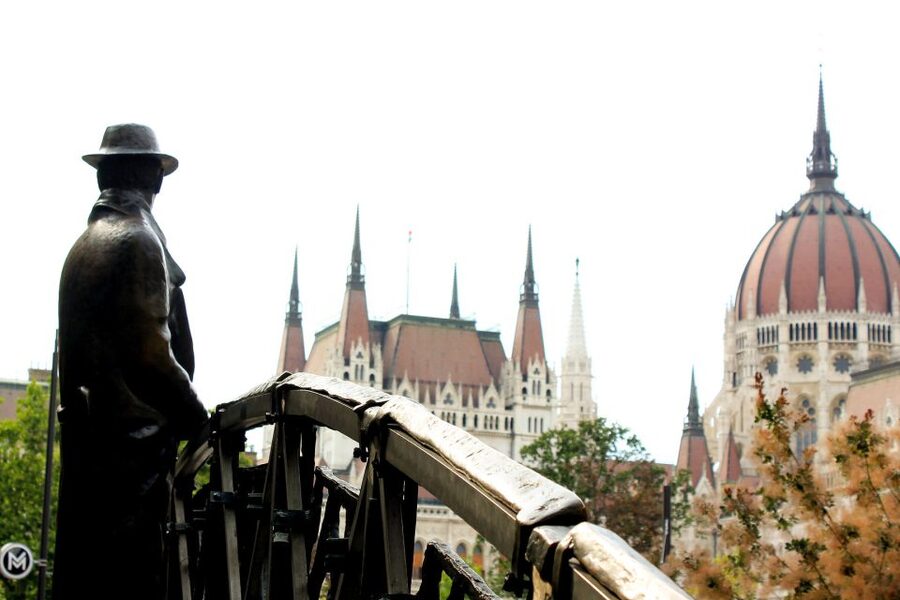
The walk heads toward the Hungarian Parliament and Liberty Square, two of the most useful places for understanding Hungary’s conflicting political memories.
Parliament provides a striking setting for the discussion, but the tour is not advertised as an interior visit. You should expect to view the building and square as part of the walking route, not tour the Parliament chambers. Its presence helps place the country’s political story in a clear physical setting.
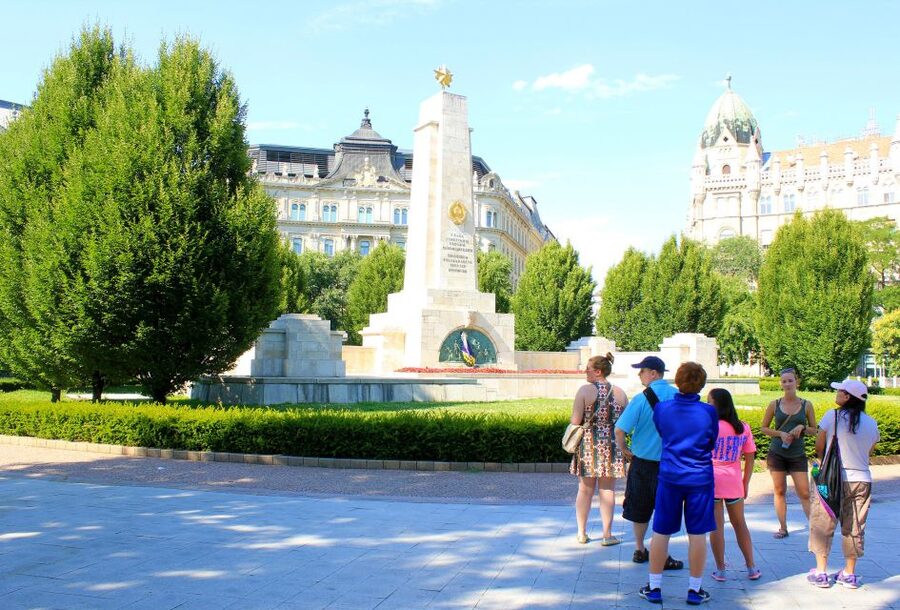
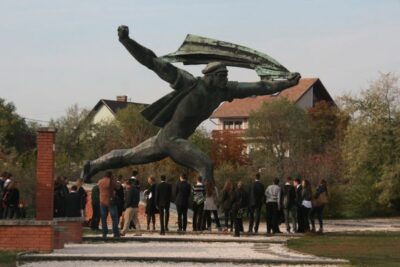
Liberty Square is especially important because it contains the last Soviet monument in the area described by the tour. The memorial gives you a direct, visible reminder of the power that shaped Hungary after the Second World War and during the communist decades.
This stop is valuable because it resists a tidy version of history. Budapest contains reminders of occupation, resistance, national independence, and political change close together. Your guide can explain why a Soviet memorial remains in place and how its meaning fits into the city’s complicated public memory.
Do not expect every stop to be visually dramatic. The tour’s appeal lies in interpretation, not in a nonstop parade of famous views. If you want the guide to point out the political meaning of a location, this route works well. If you want only photographs and quick facts, a general city tour may offer better value.
Local Details That Make the Story Stick

The most effective moments are likely to be the specific ones. Learning that people drove Trabants gives you a concrete image of the period. Hearing about spirits at work adds another memorable detail, even if it also underlines how different workplace culture could be.
The passport discussion is more important than it may first sound. It shows how a large political system affected the freedom to leave, visit family, or see another country. School life offers another angle, showing how ideology could shape young people long before they entered the workplace.
These details give the tour a human scale. You begin to understand communism not only as a political label but as a system that shaped choices, routines, and expectations.
The best guides also make room for contradiction. People may have disliked the government yet learned to live within its rules. They may have found humor in shortages and restrictions without mistaking humor for freedom. A conversational guide can explain those shades better than a memorized list of dates.
George, one guide associated with the experience, has been praised for making the subject interesting and for including a coffee and traditional Hungarian dessert at a Trabant 60 stop. That particular treat appears in one account of the tour, so I would not assume it is included every time. The standard included refreshment is a coffee, tea, or soft drink.
How the Price Fits the Experience
The listed price is $72 per person. That is a serious amount for a 2.5-hour walking tour, especially in a city where you can see many historic areas without paying for a guide.
The price makes more sense if you value interpretation, a private or small-group setting, and a focused subject. You are paying for a licensed guide, a planned route, the exhibition stop, and the chance to ask questions about an era that can be hard to understand from sightseeing alone.
It is less convincing if you already know Hungary’s communist period well, plan to visit several history museums, or are mainly looking for a general introduction to Budapest. One person found the experience enjoyable but still felt it did not justify the cost. That is a fair concern.
I would compare the tour with your own interests. If the 1956 Revolution, the Iron Curtain, and everyday life under state socialism are high on your list, a specialist walk can save you time and give you a clearer story. If you are choosing between this and a broad city tour during a short stay, the broader tour may cover more of Budapest for the same money.
The refreshment is a pleasant extra, but it should not decide the booking. The history and guiding are the real product.
Group Size, Weather, and Timing
You can book a private or small-group format, depending on availability. A small group is especially useful for this subject because questions often lead to the most interesting parts of the discussion.
The duration is fixed at 2.5 hours, but starting times vary. Check the available time when booking and leave space afterward if you want to continue exploring Parliament or central Pest on your own.
Because the tour operates in all weather, prepare for the season rather than hoping for perfect skies. Wear comfortable clothes, use sturdy walking shoes, and bring a rain layer when needed. There is no need to dress formally.
Free cancellation is available up to 24 hours before the start, and you can reserve now and pay later. Those terms help if your Budapest plans are still changing. Pickup can be requested from centrally located accommodation, but you should provide the details at booking rather than assume door-to-door service.
Who Should Book This Budapest Walk?

I would choose this tour if you enjoy modern European history and want to understand Budapest through its recent political past. It suits adults, older teenagers, history students, and anyone curious about how ordinary people managed daily life under strict government control.
It is also a good choice if you have already seen the major sights and want a more focused experience. The route adds context to central Budapest without requiring a full day at a museum.
I would skip it if you dislike long historical explanations, have mobility limitations, or need a child-friendly activity. The walk is not suitable for children under 14, and the subject is serious.
I would also think twice about the price if you are traveling on a tight budget. The tour can be worthwhile, but only if you want expert explanation more than a long list of sights.
Should You Book the Hammer & Sickle Tour?
Book it if you want a clear, human account of Hungary’s communist era, especially the 1956 Revolution and the restrictions of life behind the Iron Curtain. The exhibition, Pest streets, Parliament, and Liberty Square create a logical route, while details about passports, schools, Trabants, and work culture keep the subject grounded.
The main risk is uneven delivery. The strongest version of this tour depends on a guide who can organize the story and speak with energy. The evidence includes excellent marks for guides who were personable, well prepared, and clear, along with one much less enthusiastic assessment.
At $72, this is not a casual bargain walk. It is a specialist history tour. If that subject interests you, the price may be justified. If not, spend your money on a broader Budapest experience and explore Liberty Square on your own.
FAQ
How long does the Hammer & Sickle Communism Walking Tour last?
The tour lasts 2.5 hours and includes about two hours of continuous walking.
What language is the tour conducted in?
The tour is conducted in English with a live guide.
Where does the tour meet?
Meet at 1052 Budapest, Deák Ferenc tér 4, in front of the pale yellow Lutheran Church, on the church steps.
Can I request pickup from my accommodation?
Yes. Pickup may be requested from centrally located accommodation. Enter the pickup details when booking, or meet the guide at Deák Ferenc Square.
What places does the tour visit?
The route goes through smaller streets in downtown Pest, to the Hungarian Parliament and Liberty Square, including the last Soviet monument. It also includes a small exhibition about the 1956 Revolution.
Is the tour suitable for children?
The tour is not recommended for children under 14 because of the serious subject matter.
What should I wear or bring?
Bring comfortable shoes, comfortable clothes, and clothing suited to the weather. The tour operates in all weather conditions.
What is included in the price?
The price includes a licensed expert guide and one refreshment, which may be coffee, tea, or a soft drink. Food, gratuity, and standard pickup and drop-off are not included.
Just added around Budapest
- Budapest: City Bike Tour with Coffee Stop★ 5.0 · 37 reviews
- Walk to recent and aged spiritual sanctuaries near Budapest★ 5.0 · 5 reviews
- Budapest: Private Walking Tour with a Local Guide★ 3.6 · 6 reviews
- Budapest: Danube River Views Bike Ride★ 4.8 · 23 reviews
- From Budapest: Guided Tour of Eger with Wine Tasting★ 4.5 · 6 reviews
- Trash Art Museum: Hungary’s First Scrap Metal Exhibition★ 4.3 · 72 reviews
- True Crime Walking Tour in the Buda Castle district★ 5.0 · 26 reviews
- Budapest: 3-Hour Trabant Sightseeing Tour★ 4.7 · 28 reviews
Communism History Tours, compared.

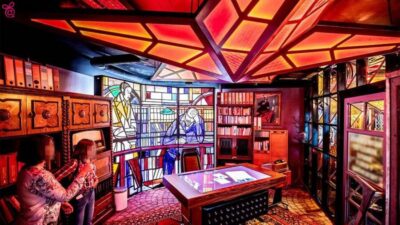
Communist History Tour with House of Terror Option
Read our review →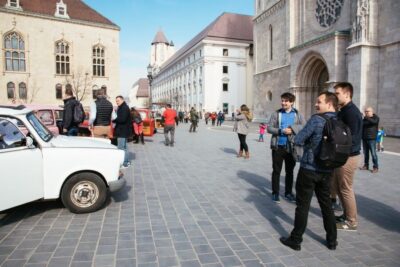
3-Hour Walking Tour About Communism (Small Group)
Read our review →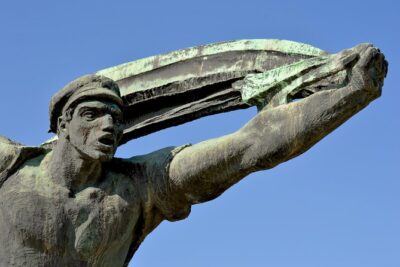
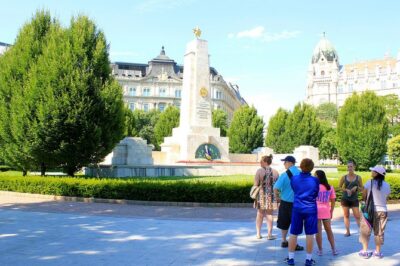

Lives of Hungarians Under Communist and Capitalist system
Read our review →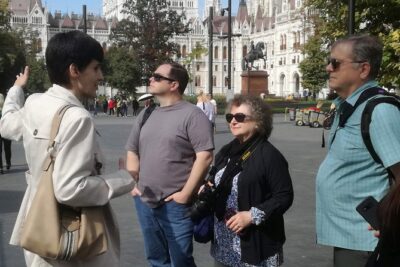
Browse the lists this tour appears in