
Reviewed · COMMUNISM HISTORY TOURS
Life Under Communism with House of Terror or Statue Park
Budapest’s communist past becomes easier to understand when you start not with a date or political slogan, but with Bambi Eszpresszó, an old meeting place linked with the city’s 1980s social life. This private three-hour experience uses conversation, personal stories, printed material, and Budapest’s public transport to explain how the system shaped ordinary routines.
I like the small private format, which lets Annamaria and Miklos adjust the discussion to your background and interests. I also like the chance to hear first-hand memories of the period rather than getting only a museum-style explanation. The main drawback is that the tour is not suited to people with mobility impairments, and the $282 group price is a serious outlay for three hours.
Key points to know
- Bambi Eszpresszó begins the story: Start at a symbolic 1980s café and use it as a doorway into daily life under communism.
- Personal, adjustable teaching: Annamaria and Miklos can shape the conversation around your knowledge and questions.
- Private group up to five: The cost is shared by your group rather than charged per person.
- House of Terror or Statue Park option: The selected version gives the discussion a physical setting connected with Hungary’s communist past.
- Public transport adds local context: You may ride Budapest transit and see parts of the city beyond the usual sightseeing route.
- Three hours goes quickly: Expect an educational conversation with printed materials, not a long list of formal attractions.
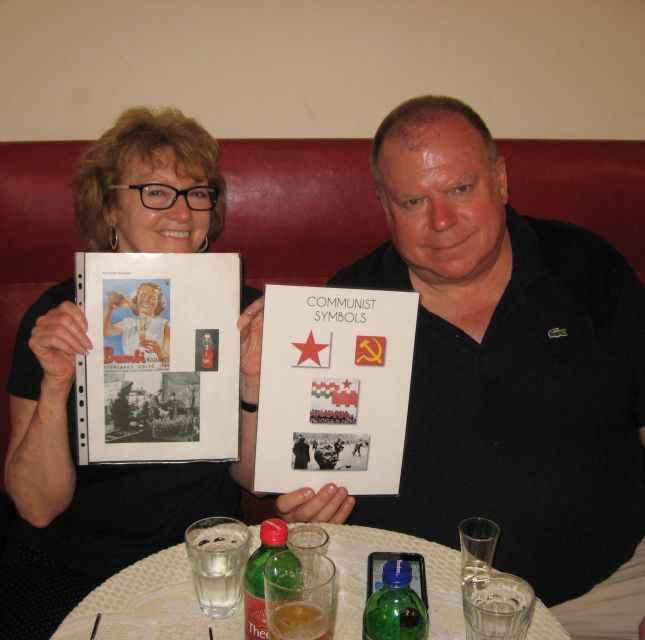
Start at Bambi Eszpresszó, a café with a political past
Bambi Eszpresszó is more than a convenient meeting point. It is presented as an emblematic gathering place of 1980s Budapest, making it a fitting first stop for a tour about ordinary communist life.
I like this beginning because it keeps the subject grounded. Instead of opening with a broad lecture on Soviet influence or party structure, you start with a place where people met, talked, and carried on with daily life. The café gives the period a human scale.
From there, your guide sets out how the communist system worked at several levels. The discussion covers the larger political structure, but the value lies in connecting it to the practical side of life in Budapest from the 1960s through the late 1980s.
You can expect an interactive presentation rather than a one-way speech. Printed materials, notebooks, and pens are included, so you have something to follow and use while discussing the subject. If you have a particular interest in housing, shopping, work, education, travel, or political control, tell the guide early. The program is designed to adjust to the group.
More of the communist years around Budapest:
- Budapest: Budapest Retro Interactive Museum Ticket
★ 4.4 · 373 reviews - Budapest: Communist History Tour with House of Terror Option
★ 4.8 · 182 reviews - Communism in Hungary with a Historian
★ 5.0 · 70 reviews
How the tour explains everyday life from the 1960s to the 1980s
The central question is simple: what did communism feel like on a normal Tuesday?
The tour gives you an overview of the system, then connects that structure with daily life. That distinction matters. Political history can feel remote when it is reduced to leaders and dates. A discussion of everyday routines helps you understand how government decisions affected the choices people made, the goods they could find, and the way they spoke and socialized.
The experience is described as covering multiple levels of the communist system. That means you should expect both a broad explanation and a personal account of how the period worked in practice. The strongest part for many people will likely be the contrast between Hungary then and Hungary today.
I would come prepared with questions. This is not the sort of outing where you simply walk behind a guide from one landmark to the next. The guide’s personal experiences and the private format give you room for an honest exchange. One participant specifically praised the chance to discuss the period openly, while another valued the guide’s ability to adjust the tour to the group’s level of knowledge.
That flexibility is useful if your group includes both history specialists and people starting from scratch. You do not need to arrive with a detailed understanding of Hungarian politics. The presentation is intended to provide the framework first.
Why the private format matters for a difficult subject
Communism is not a light sightseeing topic. People experienced the same system in different ways, and a good explanation needs room for questions and shades of opinion.
A private group of up to five gives you that room. You can stop to ask what a term means, compare the Hungarian experience with another country, or ask how a particular policy affected normal households. In a large group, those questions often get lost. Here, they are part of the point.
The listed price is $282 per group, not $282 per person. For five people, that works out to about $56 per person. For two people, it becomes $141 each, so the value depends heavily on group size and your interest in the subject.
I would consider it good value for a family or group of friends who want a serious, tailored history discussion. It is harder to justify for a solo visitor or a couple looking mainly for famous sights. You are paying for a private guide, personal attention, and access to a subject that is difficult to understand through casual sightseeing alone.
The strongest benefit is the ability to shape the session. The main limitation is that the price does not become especially low unless you fill several places in the group.
House of Terror or Statue Park: know what kind of visit you want
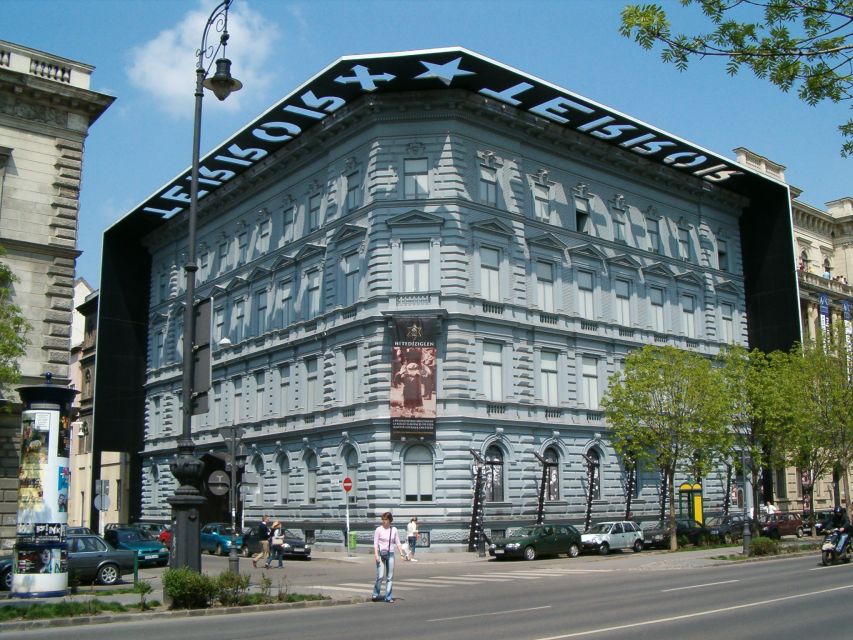
The experience is offered with House of Terror or Statue Park, so check the selected version when you book. The supplied information does not lay out a detailed stop-by-stop schedule for both options, and the exact emphasis may depend on your choice and the guide’s discussion.
The House of Terror gives the subject a museum setting connected with Hungary’s 20th-century dictatorships. If that is your chosen version, expect the tour’s historical discussion to connect with a formal site focused on repression and political power. The museum setting can help organize the story, though the emotional weight of the subject may be considerable.
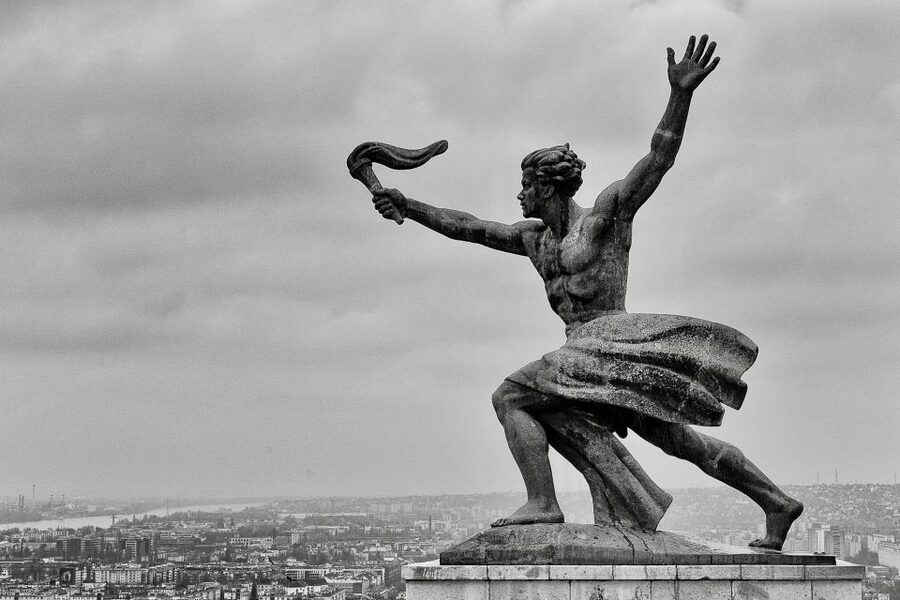
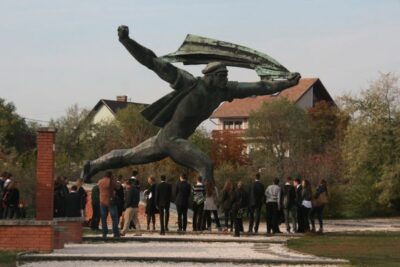
Statue Park offers a different angle. Its focus on communist-era statues allows you to consider how public symbols survive after the political system that created them has ended. That makes it useful for discussing memory, propaganda, and the physical traces left behind in Budapest.
I would choose based on your preferred learning style. Pick the House of Terror option if you want a more concentrated museum setting. Pick Statue Park if you are more interested in public monuments and what happens to political symbols after a regime changes.
Do not assume that the entire three hours will be spent inside one attraction. The experience begins at Bambi Eszpresszó, includes the guide’s presentation and discussion, and may involve Budapest public transport. The point is the full conversation and context, not simply checking off one museum or park.
A completely different kind of day out:
- Budapest: City Highlights Cruise with Welcome Drink
★ 4.6 · 35,610 reviews - Budapest: Unlimited Prosecco, Beer and Aperol Spritz Cruise
★ 4.8 · 25,310 reviews - Budapest: Széchenyi Spa Day Ticket with Optional Upgrades
★ 4.3 · 23,911 reviews - Budapest: Nighttime or Daytime Sightseeing Cruise
★ 4.2 · 21,062 reviews
Riding Budapest public transport becomes part of the lesson
Transportation is not included as a separate service, but the guide meets you at your Budapest accommodation and travels with you to the first stop. One person specifically valued riding public transport and seeing parts of Budapest that might otherwise have been missed.
That detail gives the experience a more local rhythm. You are not sealed inside a tour vehicle, and the movement between places becomes part of your sense of the city. It also gives the guide a chance to point out how the present-day city relates to the period being discussed.
You should wear comfortable shoes and clothing suitable for the weather. The tour lasts three hours, and the route may involve walking and public transit. Since the experience is not suitable for people with mobility impairments, contact the local partner before booking if you have special needs or questions about the route.
Your accommodation pickup is included, but you need to tell the local partner where you want to be met. That is useful if you are staying in a hotel, apartment, or another Budapest address. Confirm the pickup details in advance rather than waiting until the morning of the tour.
What Annamaria and Miklos add to the experience
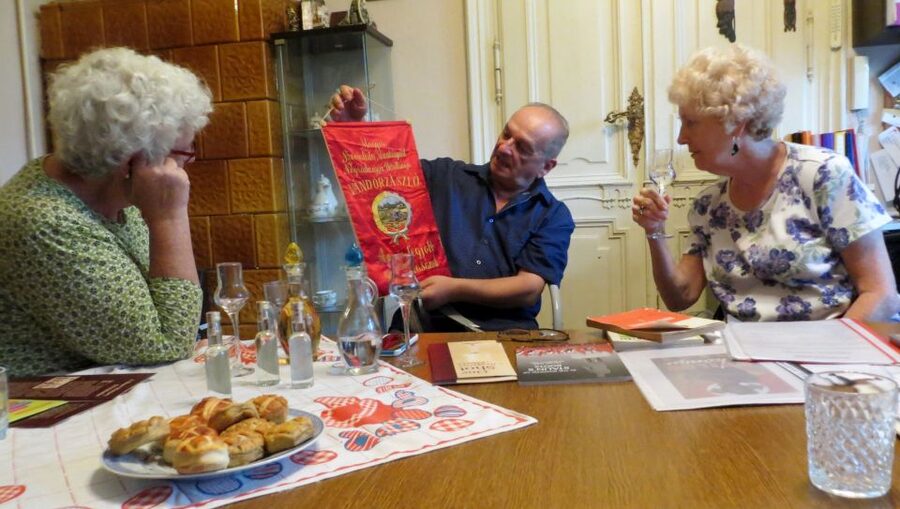
The program is conducted by Annamaria and Miklos. Their role is not just to deliver facts. They guide the discussion, respond to questions, and connect political history with personal experience.
The most praised qualities are their communication, kindness, and ability to adjust the program. One participant described a guide who could tailor the material to the group’s interests and level of understanding. Another highlighted personal memories of the Hungarian communist era. Those details matter because the subject can otherwise become dry or overly academic.
You should still keep your expectations realistic. A three-hour tour cannot provide a complete history of communist Hungary, and it cannot cover every social group or viewpoint in equal depth. Its strength is a personal introduction to the subject, with enough structure to help you understand what you are seeing.
I would ask the guide how their own experiences shape the presentation. Personal memories can make the period clearer, but they also reflect one person’s point of view. The private format gives you a chance to ask for context and compare individual experience with the wider story.
The available languages are English, German, and French. Make sure you select the language that works best for your group, especially if you want to discuss complicated political or social ideas.
What the three hours can and cannot cover
Three hours is a useful length for this experience. It is long enough to move beyond a quick introduction, but short enough to fit into a busy Budapest itinerary.
You will receive an overview of how the system functioned, an account of daily life, and a discussion of the changes Hungary has experienced over the last fifty years. You will also consider remnants of the communist period that remain in the country today.
The time passes quickly if your group asks questions. That is a good thing, but it means you should not expect every topic to receive equal attention. If you are especially interested in one subject, mention it when arranging the tour. The local partner says special requests can be accommodated as far as possible.
This is best treated as a focused introduction rather than a complete survey. You might leave with a clearer sense of what to explore at a museum, memorial, or historic site later in your trip. That is a strength, not a flaw, as long as you book it for conversation and context rather than a packed sightseeing checklist.
Who will get the most from this Budapest experience
I would recommend this tour most strongly to people who want to understand Budapest beyond its grand architecture and cafés. It suits history buffs, families with older children, students, and anyone interested in how political systems affect ordinary routines.
It also works well for visitors who know little about Hungary. You do not need to arrive with a firm grasp of the communist era. The guide provides the basic framework and can adapt the discussion to your level.
The tour is less suitable if you want a fast-paced route with many major attractions. It is also a poor fit if you dislike conversation, personal accounts, or political history. The experience depends on your willingness to ask questions and think about complicated subjects.
Because the group is private, it can work for people with very different interests, but only if everyone is willing to take part. A group member who wants only photographs may find the three-hour discussion slow.
Practical details, price, and timing
The experience lasts three hours and costs $282 for a private group of up to five. That price includes the interactive presentation, printed materials, notebooks, and pens. Food, drinks, and transportation costs are not included.
You begin at your accommodation with the guide, then travel together to the first stop. Bambi Eszpresszó is the symbolic starting point, but confirm the exact meeting and route details with the local partner.
The tour is available in English, German, and French. It operates at set starting times, so check availability for your chosen date. Comfortable shoes and weather-appropriate clothing are sensible choices.
You can cancel up to 24 hours in advance for a full refund, and the reserve-now, pay-later option lets you hold a place without paying immediately. Those policies are useful if your Budapest plans are still shifting.
Should you book Life Under Communism with House of Terror or Statue Park?
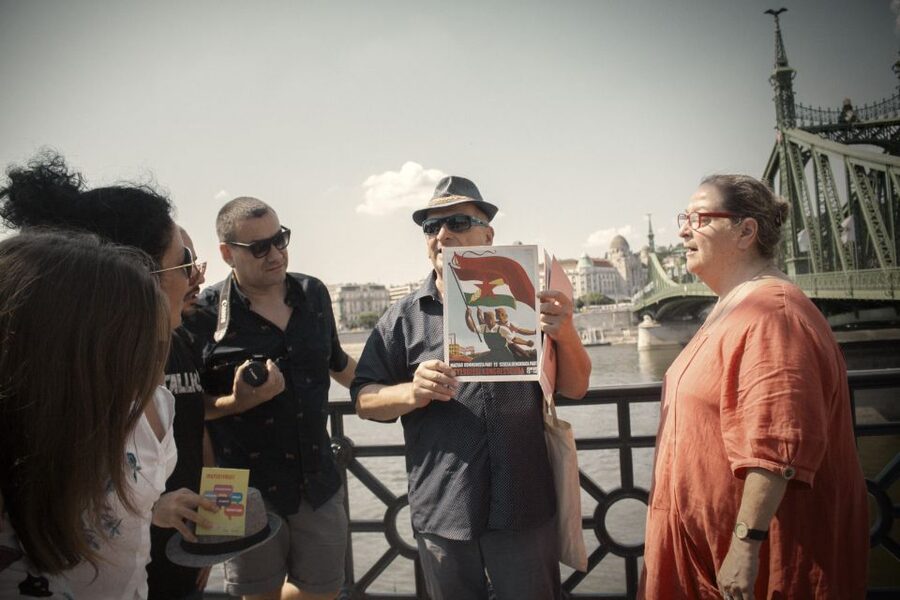
Book it if you want a thoughtful, personal explanation of communist Budapest and you value a private guide who can adapt the conversation. The start at Bambi Eszpresszó, the public transport element, and the chance to hear personal memories give the experience more character than a standard lecture.
The price makes the most sense for a group of four or five. Solo visitors and couples should compare it with other history tours before committing. You should also choose the House of Terror or Statue Park version based on the kind of setting you prefer, then confirm exactly what is included.
I would book this for an early or middle day in Budapest, when the discussion can help you understand other sights you encounter afterward. Wear good shoes, arrive ready to ask questions, and expect a serious conversation rather than a light city walk.
FAQ
How long does the experience last?
The tour lasts three hours.
How much does the private tour cost?
The price is $282 for a private group of up to five people.
Where does the tour begin?
The experience begins at Bambi Eszpresszó, an emblematic meeting place associated with 1980s Budapest. The guide meets you at your accommodation first and travels with you to the initial stop.
Who conducts the tour?
The program is conducted by Annamaria and Miklos.
Which languages are available?
The tour is available in English, German, and French.
Is transportation included?
The guide meets you at your accommodation and travels with you to the first stop, but transportation costs are not included.
Are food and drinks included?
No. Food and drinks are not included in the price.
Is the tour suitable for people with mobility impairments?
No. The experience is listed as unsuitable for people with mobility impairments. Comfortable shoes and weather-appropriate clothing are recommended.
Just added around Budapest
- Walk to recent and aged spiritual sanctuaries near Budapest★ 5.0 · 5 reviews
- Budapest: Private Walking Tour with a Local Guide★ 3.6 · 6 reviews
- Budapest: City Bike Tour with Coffee Stop★ 5.0 · 37 reviews
- Budapest: Danube River Views Bike Ride★ 4.8 · 23 reviews
- From Budapest: Guided Tour of Eger with Wine Tasting★ 4.5 · 6 reviews
- Trash Art Museum: Hungary’s First Scrap Metal Exhibition★ 4.3 · 72 reviews
- True Crime Walking Tour in the Buda Castle district★ 5.0 · 26 reviews
- Budapest: 3-Hour Trabant Sightseeing Tour★ 4.7 · 28 reviews
Communism History Tours, compared.
Communist History Tour with House of Terror Option
Read our review →
3-Hour Walking Tour About Communism (Small Group)
Read our review →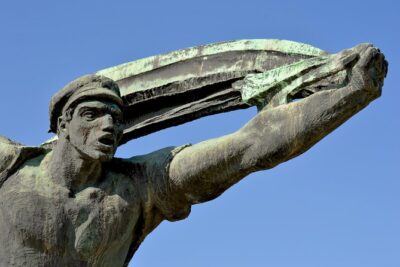

Lives of Hungarians Under Communist and Capitalist system
Read our review →
Browse the lists this tour appears in